
 Peržiūrėti realaus dydžio版

 Pasidalinti
 Dalintis
 Išsamiau
 Vadovas


 Atsisiųsti
 Panašūs eksponatai
 Rentgeno spindulių nuotrauka
 Automatinė diorama
 问答
 Statistika
Composición (Composition)

- 195.0 x 130.0cm


 Skaityti daugiau
Šiame puslapyje rodomas meno kūrinys yra saugomas autorių teisių įstatymais, todėl neturime teisės legaliai kurti ar parduoti jo identiškos reprodukcijos. Ši apsauga užtikrinama remiantis tokiais tarptautiniais susitarimais kaip Bernės konvencija ir pagal nacionalines įstatymų nuostatas, įskaitant tas, kurias nurodo JAV autoriškos teisės įstatymas – 17-asis skyrius.
Šis metodas visiškai atitinka autorių teises, nes jame nėra saugomo kūrinio kopijavimo ar dubliavimo. Tai yra kūrybinė reinterpretacija – naujas paveikslas, kurį įkvėpė originalas, tačiau kuris nėra jo identiškas.
Giclée / Meno spausdinimas
Muziejų lygio „giclée“ arba drobos spausdinimas: greita gamyba ir lankstios apdailos parinktys. ( Pirkti rankų darbo tapybą Perejti prie skaitmeninių vaizdų)
































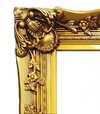
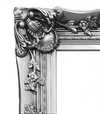
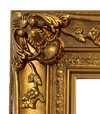

Pasirinkite iš mūsų nustatytų dydžių, atitinkančių originalaus meno kūrinio proporcijas.

Įveskite jums reikiamą plotį ir aukštį, kad atvaizdas derėtų prie jūsų rėmo ar sienos. Spausdiną galima tik sumažinti, bet nepadidinti virš originalaus paveikslėlio dydžio, todėl keičiant proporcijas, dalis vaizdo prarandama. Prieš spausdinimą atsiųsime jums skaitmeninį maketą patvirtinimui. Šioje puslapio nuotraukoje matomas pjūvis nėra tikslus – jį rodo tik maketas.
Pristatymas visame pasaulyje () per 2 weeks, o ne įprastas 4/5 savaičių laikotarpis. (21 lapkritis)

Nemokamas greitasis pristatymas visame pasaulyje

Aukštos kokybės lininis drobė

Pilnas siuntimo draudimas

Muitinės mokesčių grąžinimo garantija

Tikro spalvų atitikimo garantija

100 dienų grąžinimo politika (tik esant įtaigoms)

100% pinigų grąžinimo garantija

Nuolaida dideliems užsakymams
 Stiklo variantas prieinamas tik pasirinkus dydį iki 110 cm

Composición (Composition)
Giclée / Meno spausdinimas
Reprodukcijos matmenys
-


Bendroji kaina
€ 55
panašūs kūriniai


Autoriaus biografija
Early Life and Artistic Training
Juana Francés emerged from the coastal landscape of Alicante, Spain, where she was born on 31 July 1924 in Altea. Her early years in this region provided the initial context for a career that would eventually challenge the rigid structures of Spanish art. She did not begin her professional life in a vacuum; rather, her development was rooted in the specific cultural shifts occurring in Spain during the early twentieth century.
Her formal training took place in Madrid, the center of the country's intellectual and artistic gravity. She attended the Real Academia de Bellas Artes de San Fernando, an institution that demanded rigorous technical discipline. This academic foundation provided the necessary tools for her later departure from representational forms. The transition from the structured environment of the Academy to the spontaneous demands of abstraction defines the trajectory of her early development.
Evolution of Technique and Style
Francés moved away from the geometric precision of her early years toward a radical engagement with materiality. She rejected smooth, polished surfaces in favor of a tactile, physical language. Her canvases became sites of construction where she built up thick layers of texture to create a sense of tangible depth. This was not a pursuit of mere decoration; it was a deliberate dismantling of representational forms to prioritize the physical presence of the medium itself.
The artist’s palette relied heavily on earthy tones, often utilizing blacks, whites, and various soil-like shades. These muted foundations were frequently interrupted by sudden bursts of color. To achieve her specific textures, she integrated unconventional materials, most notably river sand, into her mixed media compositions. This approach turned the surface of the work into a rugged, topographical landscape rather than a flat window. Her ability to manipulate these substances allowed her to translate movement and weight directly onto the support.
- Nº45 (about 1960)
Major Series and Artistic Periods
Francés’s output is defined by a rigorous commitment to specific thematic cycles that track the shifting tensions of the Spanish landscape. Between 1963 and 1983, she produced the El hombre y la ciudad series. These works addressed the psychological weight of rapid urbanization and industrialization in Spain. She moved away from traditional painting to create three-dimensional, anthropomorphic figures using mechanical materials, such as glass cases and vitrines. These objects functioned as symbols of isolation and the breakdown of human communication within the modern city.
Her final decade saw a return to pure abstraction, characterized by an intense focus on materiality and the physical properties of the medium. From 1986 until her death in 1990, she executed several distinct series: Fondos, Submarinos, Cometas, and Escudos. In these works, she utilized the circle and the rectangle as primary structural elements to translate movement onto the support. Her late-stage experimentation drew inspiration from the cosmos and the depths of the ocean, using texture to capture the essence of these vast, fluid environments.
- Composición (about 1959)
- Nº45 (1960)
Later Years and Death
The final decade of Juana Francés's life was marked by a return to the fundamental tension between abstraction and materiality. Between 1986 and 1990, she produced the Escudos series, a body of work that continued her investigation into the physical properties of paint and form. This period saw her experimenting with the circle and the rectangle as central protagonists, seeking to translate movement and cosmic or deep-sea inspirations onto the support. Her late output remained focused on the interplay of gesture and matter, refusing to settle into a static or decorative mode of production.
She died in Madrid in 1990. Her passing marked the end of a career that had consistently challenged the gendered boundaries of the Spanish avant-garde. By the time of her death on 9 March 1990, her work had already secured its place in significant collections, including the Museo Nacional Centro de Arte Reina Sofía. Her legacy is defined by this refusal to adhere to the expectations of her contemporaries, maintaining a rigorous commitment to the tactile and the gestural until the very end.

Juana Francés
1924 - 1990 , Spain
Trumpa informacija
- Artistic Movement Or Style: Abstract Expressionism
- Full Name: Juana Concepción Francés de La Campa
- Nationality: Spanish
- Notable Artworks:
- Composición
- Nº45
- Place Of Birth: Alicante, Spain
- Date Of Birth: 1924
- Date Of Death: 1990