
Modica, Sicily (Edwardas Lėras)


Giclée reprodukcija: 27 x 38 cm už €39
Ranku tapytas aliejus, dydžiai nuo €219
- Nemokamas pristatymas visame pasaulyje per 3–4 weeks
- Siuurti spausdininiai pristatomi per 3–4 weeks
- 100 dienų grąžinimo garantija ir pinigų grąžinimas
- ArtShopReviews.com vartotojų įvertinimas: 4.9/5 (remdamasi 241 apžvelgimais)
 Peržiūrėti

 Pasidalinti
 Dalintis
 Išsamiau
 Informacinė lLapelė


 Atsisiųsti
 Panašūs eksponatai
 Rentgeno spindulių nuotrauka
 Automatinė diorama
 Klausimai ir atsakymai

 Statistika
Pažiūrėkite dėliau
Kiekviena detalė, tiksliai atvaizduota
Trisios paveikslalo vietos, didinamos. Mūsų giclée spausdinimas išsaugo kiekvieną iš jų jūsų pasirinktu dydžiu.
i.
Šios scenos širdis.
ii.
Šviesa ir fone.
iii.
Teptuko traukų detalė.
Paveikslas
Modica, Sicily (Edwardas Lėras): aprašas
A watercolor sketch of a sunlit plaza and bridge in Sicily, rendered with loose, sketchy lines and muted earthy tones on textured paper.
 Pilnas Modica, Sicily straipsnis
Edwardas Lėras: biografija
Viktoriškos eposo ir poezijos bei subtilių akvarelinių peizažų dailininkas ir poetas, garsėjęs savo fantazybingais nesąmonės eilėmis.
Identification of Modica, Sicily by Edward Lear
In this watercolor sketch, Edward Lear turns his attention to the specific topography of Modica, Sicily. The work is a landscape depiction that seeks to capture the essence of the town's architecture and its unique setting. Rather than a formal study, it presents a loose, observational view of the clustered buildings and the central plaza that defines the settlement.
The subject matter focuses on the intersection of human habitation and the natural landscape. Lear has rendered the townscape with a sense of quiet observation, focusing on how the structures sit within the Sicilian terrain. It is a direct record of a specific place, capturing the way the buildings gather around the waterway and the bridge that spans it.
Composition and Visual Elements
The arrangement of this scene is centered upon the town's plaza, creating a focal point for the viewer's eye. Buildings cluster around this central space, their forms acting as a frame that contains the view and directs attention inward. A bridge spans a waterway, providing a steady horizontal element that anchors the middle ground and guides the eye across the composition.
In the background, a large rock formation rises to dominate the skyline, lending a sense of scale to the architecture below. Throughout the plaza, small figures are scattered, their presence providing a subtle sense of activity within the townscape. These figures suggest the quiet rhythm of everyday life without overwhelming the structural elements of the landscape.
Technique and Artistic Materials
In this work, Lear employs watercolor on paper to capture the specific atmosphere of the Sicilian landscape. He relies heavily on a wet-on-wet technique, a method that allows the pigments to bleed and blend into one another directly on the surface. This approach creates a soft, fluid quality where the sky and the water seem to merge through natural diffusion. It is a delicate process that requires a certain level of spontaneity to manage how the colors interact before they dry.
The artist's hand is visible through loose brushwork and sketching that define the architecture and the rugged terrain. Rather than seeking rigid precision, the lines suggest form and texture, providing a sense of immediacy to the scene. He utilizes watercolor paints alongside ink to achieve this layered effect. The ink likely assists in the more structural aspects of the sketch, while the washes of color provide the necessary depth and atmospheric softness.
Style and Visual Impression
This watercolor sketch captures the essence of Modica, Sicily, through a style characteristic of Edward Lear's travel sketches. It moves between the precision of a topographical record and a more whimsical, slightly naive approach to the landscape. There is a certain lightness here, a sense of the artist capturing a moment of observation rather than attempting a heavy, dramatic composition. The work sits comfortably within the realm of Romantic landscape painting, yet it avoids the grandiosity often associated with the movement, opting instead for a quiet, observational intimacy.
The impression is one of tranquility and nostalgia. By employing a loose, sketchy line to define the buildings and the central plaza, the artist suggests form and texture without the need for rigid, exacting detail. This approach allows the viewer to feel the atmosphere of the Sicilian townscape rather than just seeing its geometry. The figures scattered throughout the plaza add a subtle layer of everyday life, grounding the scene in a sense of lived experience. It is a quiet study of a specific place, rendered with a gentle, contemplative touch.
Color, Light, and Texture
The palette here is quiet, leaning into muted and earthy tones that reflect the natural stone of the Sicilian landscape. Browns, tans, and grays dominate the scene, grounding the architecture and the rugged rock formations in a sense of permanence. These colors are applied in soft washes, which allow the pigment to bleed and blend, creating an atmospheric effect that suggests the hazy quality of the Mediterranean air.
Light enters the composition as a diffused daylight, avoiding harsh shadows or sharp contrasts. This gentle illumination settles over the plaza and the buildings, highlighting the forms without overwhelming them. It is a subtle light, the kind that feels captured in a moment of stillness. The watercolor technique leaves a tactile quality on the surface, where visible brushstrokes and the natural grain of the paper provide a subtle, organic texture to the buildings and the sky.
Perspective and Depth
In this watercolor, Lear achieves a sense of spatial recession through a careful application of atmospheric perspective. As the eye moves toward the background, the distant rock formations and the upper reaches of the townscape appear paler and lose their fine detail. This softening of the landscape allows the viewer to perceive the vast scale of the Sicilian terrain without the need for rigid, mathematical precision. It is a subtle, observational method that mirrors the way the eye naturally perceives light and air over a distance.
The structural depth of the plaza is established through the use of linear perspective, found in the receding lines of the clustered buildings and the streets that lead toward the center. This is further reinforced by the way forms overlap one another, creating distinct layers of space from the figures in the foreground to the architecture in the midground. By varying the intensity of his color washes, Lear ensures that the closer elements maintain a greater presence, while the more distant structures recede into a soft, muted haze.
Related Works by Edward Lear
To understand the landscape sensibilities present in this Sicilian scene, one might look toward Lear's other explorations of the Mediterranean. His 1847 watercolor, Quarries of Syracuse, captures a similar sense of rugged grandeur along the Sicilian coastline. During that same period, his interest in the island's topography led him to produce oil sketches of Mount Etna, which emphasize the scale of the volcano through bold brushwork and the characteristic haze of the region.
His travels often moved between the natural world and the structured presence of civilization. This is evident in his landscape painting, View Of Reggio And The Straits Of Messina, which captures a panoramic vista of a coastal city. Similarly, A View of the Roman Campagna, a Villa and Aqueduct in the Distance, reflects his ability to document the specific light and ancient terrain of the Italian countryside. These works demonstrate a consistent interest in how architecture and topography interact within the Mediterranean light.
Klausimai ir atsakymai
Ar ši Modica, Sicily reprodukcija yra rankiškai dažyta ar atspausdinta?
Spausdinimas: Modica, Sicily yra atspausdintas giclée technika ant medžioje pagrįsto medinio drobilo arba „Epson“ archyvinio drobilo popieriaus.
Kokį dydį turėčiau pasirinkti darbui Modica, Sicily?
Dydviai svyra nuo 26.5 x 37.8 cm (€39) iki 170.9 x 243.6 cm (€323); šioje pusėje pateiktoje lentelėje nurodyti galimi variantai ir jų kainos.
Kiek trunka pristatymas?
Spausdinys, įlenktas į vamzdikį, pristatomas nemokamai reguliaru paštu per 3–4 weeks; drobkalnį užtraukus arba įrėmintas spausdinys pristatomas per 4–5 weeks. Ekspreso kurjeriu pristatymas pasiekiamas tik paslaugos „Ekspreso pristatymas“, kurią galite įsigyti šioje puslapyje. Prekę galite grąžinti per 100 dienų ir gauti visą sumą atlaikytą, nepriklausomai nuo priežasties.
Kokia technika buvo naudojama kūriniui Modica, Sicily autoriu Edwardas Lėras?
Watercolor

Edwardas Lėras
1812 - 1888, Jungtinė Karalystė
Daigytojas
Apie Edwardas Lėras: gyvenimas, kūriniai ir biografija
Trumpa informacija apie Edwardas Lėras
- Artistic Movement Or Style: Nonsense
- Date Of Birth: 1812 m.
- Date Of Death: 1888 m.
- Full Name: Edward Lear
- Nationality: Britanas
- Notable Artworks:
- „Pėdą žemėn pėdą“
- Meška ir šunkiukas“
- Place Of Birth: Londonas, JK
Giclée reprodukcija
Užsisakyti reprodukciją jūsų skirta
Giclée reprodukcija
Muziejų lygio „giclée“ arba drobos spausdinimas: greita gamyba ir lankstios apdailos parinktys. ( Ecsaliu aliejinės spalvos versija Skaitmeninė versija
)

Jūsų užsakymas

Modica, Sicily
Reprodukcijos technika
Reprodukcijos matmenys
-

Reprodukcijos rėmėjimo parinktys
-
-
Dėl meno kūrinių ar reprodukcijų, kurių bet kuri pusė yra didesnė nei 105 cm (apie 41 inch), rėmas bus siunčiamas kaip išskaidytas surinkimo rinkinys. Šis metodas užtikrina saugų pristatymą ir apsaugo nuo transportavimo metu galimos žalos.
Reikalingas profesionalus surinkimas – tai nėra „pasidaryk pats“ (DIY) produktas.
Rinkinys turi būti surinktas, o drobė išplėsta naudojant patyrį profesionalų rėmininką, medžio klijus (nėra įtraukti į rinkinį), drobės plėšimo kleslę bei presas, kad rėmo rėžiai išliktų tiesūs, kol klijai išdžiūvus. Netinkamas surinkimas arba netolydus drobės įtampa gali negrįžtamai sugadinti meno kūrinį, todėl šie atvejai nėra užtraukiami mūsų garantijos.
 Dėl meno kūrinių ar reprodukcijų, kurių bet kuri pusė yra didesnė nei 105 cm (apie 41 inch), rėmas bus siunčiamas kaip išskaidytas surinkimo rinkinys. Šis metodas užtikrina saugų pristatymą ir apsaugo nuo transportavimo metu galimos žalos.
Į komplektą įeina visi vientisos medienos elementai, tiksliai išpjauti pagal dydį.
Surmontinama naudojant pridėtus varžtus bei papildomai reikalingą medžio kliją kampų jungtims, kuris nėra pridėtas ir turi būti parinktas rėmininkui.
Reikalingi profesionalūs įrankiai, kurie nėra įtraukti į rinkinį: drobės kėlimo plytelės (stiprintuvai) ir klemiai, laikantys rėmo strygius tiesiu kampu, kol džiūsta lipas.
Svarbu:
Spalvų kampiams reikės medžio lakavimo skaidmens (lakavimo skaidmenos), rėmų juostoms reikia laikyti spaustuvų, kol lakavimo skaidmenė visiškai išdžiūvės, o surinktame rėmelyje sutvirtinti plėmenį (drobį) reikės drobioji tvirtinimo plytelės (drobiojo tvirtinimo plytelės). Šių priemonių rinkiniame nėra. Prieš užsakydami šio dydžio rinkinį, rekomenduojame kreiptis į patyrusį rėmų meistrą.

Pavadinimo lentelė
-
-

Apsauginis lakas
Blizgus lakas (ryškina spalvas, saugo nuo šviesos ir drėgmės)
-

Skubiai
Pristatymas visame pasaulyje () per 2 savaites, o ne standartines 4/5 savaičių. (16 gruodis)
-
Skubus pristatymas
Pristatymas visame pasaulyje () per 4–5 weeks. (23 gruodis).
Įskaičiuota

Nemokamas siuntimas paštu
Pristatymas visame pasaulyje () reguliaru paštu per 3–4 weeks. (16 gruodis)
Įskaičiuota
Bendroji kaina
€ 61
Stiklo variantas prieinamas tik pasirinkus dydį iki 110 cm
i.
Mastašas
Slinkite į savo sieną: kiekviena dydžio versija išlaiko originalios proporcijas.
Pasirinkite iš mūsų nustatytų dydžių, atitinkančių originalaus meno kūrinio proporcijas.

Įveskite jums reikiamą plotį ir aukštį, kad atvaizdas derėtų prie jūsų rėmo ar sienos. Spausdiną galima tik sumažinti, bet nepadidinti virš originalaus paveikslėlio dydžio, todėl keičiant proporcijas, dalis vaizdo prarandama. Prieš spausdinimą atsiųsime jums skaitmeninį maketą patvirtinimui. Šioje puslapio nuotraukoje matomas pjūvis nėra tikslus – jį rodo tik maketas.
ii.
Rėmas
Rėmas paveikslėlyje nubaiguotas atitinkamu jo tikruoju plotu.
Įrėmintas

Baltas apasutojimas €1

Išblėstantis šonas €1

Išplėstinis €1

P118B €10

P118H €10

P118W €10

P438Z €10

P508JH €12

P508YH €12

P805H €10

P805Z €10

P919BZ €10

P919G €10

P919XJ €10

P959ZH €10

P968JZ €12

W106C €8

W218G €10

W218JH €8

W218Y €10

W307PJ €10

W316G €10

W316PJ €8

W316Y €10

W398PJ €8

W4111J €10

W500HY €15

W500JH €15

W692G €12

W849H €8

W940BG €15

W953PJ €8
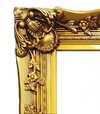
H24-GOLD €30
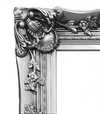
H24-SILVER €30
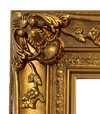
H36-GOLD €70

H36-SILVER €70
iii.
Mediumas
Drobė spausdinama giclée raštą, kuris gali būti ištiesintas arba įdėtas į rėmą kaip paveikslas; popierius pristatomas plokštė, arba įdėtas į stiklinį rėmą.
Mūsų biudžetinė spausdinimo versija: ta pačia nuotrauka, tik atspausdinta ant 260 g/m² poliesterinės drobennės vietoj medienos, pristatyoma sulenkiama į vamzdį reguliarios paštos nei 3–4 weeks. Tik sulenkiama (be rėmų ir tvirtinimo) ir be skubios gamybos, dydžiams, kurių bent viena pusė yra ne ilgesnė kaip 80 cm. Apie 30% pigiau nei drobennio spausdinimas.
Šis variantas nepasiekiamas šiam dydžiui: viena pusė turi būti ne ilgesnė kaip 80 cm.
Tik sulenkta: kad pasirinktumėte šį spausdinimą, rinkitės plėtį lenktą į vamzdį.
Galima paseninti dydžiais, kurių abiejų pusės length yra ne ilgesnė kaip 110 cm. Didesnių dydžių spausdinimas vykdomas ant matinio medienos pluošto drobios.
Matinis archyvinis platinas šiam dydžiui yra neprieinamas: abiejų pusės turi būti ne ilgesnės už 110 cm. Jūsų spausdinys bus atliktas ant matinio medienos platinio.
Stiklo variantas prieinamas tik pasirinkus dydį iki 110 cm
iv.
Apdaila
Pavadinimo plokštelė, lakas ir pristatymas.
Pavadinimo lentelė
Išgraviruotos bronzinės plokštelės detalės
Ši elegantiška plokštelė su gražiai išgraviruotu kūrinio pavadinimu ir autoriaus vardu suteikia nepriekaištingą, perlaikinį vaizdą.
Pagamininta iš bronzos su rafinuotu, elegantišku apdailymu. Tekstas yra tiksliai išgraviruotas lazeriu, todėl yra aiškus ir neišblukstantis. Plaketoje, kurios dydis yra 9x2 cm, tekstas yra kompaktiškas, tačiau lengvai skaitomas. Ji yra patvaraus paveikslėlio ir atspari įraišams, todėl užtikrina profesionalų, muziejinį estetiškumą. Montavimas paprastas, dėkingas pridedamai lipniai apatinei daliai.
Skaidrios akrilo plokštelės informacija
Plokštėje yra išgraviruoti esminiai duomenys: meno kūrinio autoriaus vardas ir pavardė, kūrinio pavadinimas, kūrimo data, naudojama technika (pavyzdžiui, ezinė dažstai ant pluošto ar akvarelis), trumpas kūrinio aprašas bei QR kodas, vedantis į išsamią informaciją apie meno kūrinį.
Ji pagaminta iš skaidriaus akrilo, todėl pasižymi elegantišku ir moderniu išvaizda. Juodas tekstas yra išgražintas UV spindulių pagalba, todėl užtikrinamas didelis vizualinis kontrastas. 10x15 cm dydžio plokštelė užtikrina optimalų skaitomumą. Ji komplektuojama dvi metalinėmis kabėlėmis saugiam tvirtinimui ant sienos. Plokštelė yra atskaidžiari aplinkos poveikiui, todėl tinka skirtingoms erdvėms, bei turi interaktyvių funkcijų, kurios sklandžiai veikia nuskanavus išmanųjį telefoną.
Juodos akrilo plokštelės informacija
Ši elegantiška plokštelė apima išgraviruotą informaciją: autoriaus vardą, kūrinio pavadinimą, kūrimo datą, naudojamą techniką (pavyzdžiui, ezinę ant pluošto ar akvarelį), trumpą kūrinio aprašymą bei QR kodą, leidžiantį greitai gauti daugiau informacijos.
Plakė paglintinta iš aukščiausios kokybės juodo akrilo su elegantišku paviršiaus apdailymu. Tekstas išgraviruojamas balta spalva, todėl jis yra itin kontrastingas ir lengvai skaitomas. Plakės dydis yra 10x15 cm, todėl informacija yra aiškiai matoma. Komplekte yra du metaliniai kabeliai profesionaliam montavimui. Dizainas yra minimalistinis ir tinka bet kokiam interjero stiliui. Plakė yra atskaidži bei patvari, taip pat turi integruotą skaitmeninę integraciją mobiliajam suderinamumui.
Apsauginis lakas
Skubi gamyba
Pristatymas visame pasaulyje () per 2 weeks, o ne įprastas 4/5 savaičių laikotarpis. (16 gruodis)
Pasirinkus „Economy“ poliesterio drobės spausdinimą, skubus gamybos procesas ir ekspreso kurjerio pristatymas nepasiekiami, nes siuntimas vykdomas paprastu paštu.
- Nemokamas pristatymas visame pasaulyje per 3–4 weeks
- Aukštos kokybės lininis drobė
- Pilnas siuntimo draudimas
- Muitinės mokesčių grąžinimo garantija
- Tikro spalvų atitikimo garantija
- 100 dienų grąžinimo garantija ir pinigų grąžinimas
- 100% pinigų grąžinimo garantija
- Nuolaida dideliems užsakymams


Svarbi informacija ir meno viktorina
Susiję straipsniai

25 Essential Works by Sebastiano del Piombo: A Visual Guide
Explore 25 iconic works by Sebastiano del Piombo. Trace his High Renaissance journey and explore the full collection online at WikiOO.org.

25 Essential Works by Gentile da Fabriano: A Visual Guide to the International Gothic Icon
Explore 25 iconic works by Gentile da Fabriano. Discover International Gothic gems and curated art ideas on WikiOO.org.
panašūs kūriniai


