
 Peržiūrėti realaus dydžio版

 Pasidalinti
 Dalintis
 Išsamiau
 Vadovas


 Atsisiųsti
 Panašūs eksponatai
 Rentgeno spindulių nuotrauka
 Automatinė diorama
 问答
 Statistika
Mural

- 100.0 x 81.0cm


 Skaityti daugiau
Šiame puslapyje rodomas meno kūrinys yra saugomas autorių teisių įstatymais, todėl neturime teisės legaliai kurti ar parduoti jo identiškos reprodukcijos. Ši apsauga užtikrinama remiantis tokiais tarptautiniais susitarimais kaip Bernės konvencija ir pagal nacionalines įstatymų nuostatas, įskaitant tas, kurias nurodo JAV autoriškos teisės įstatymas – 17-asis skyrius.
Šis metodas visiškai atitinka autorių teises, nes jame nėra saugomo kūrinio kopijavimo ar dubliavimo. Tai yra kūrybinė reinterpretacija – naujas paveikslas, kurį įkvėpė originalas, tačiau kuris nėra jo identiškas.
Giclée / Meno spausdinimas
Muziejų lygio „giclée“ arba drobos spausdinimas: greita gamyba ir lankstios apdailos parinktys. ( Pirkti rankų darbo tapybą Perejti prie skaitmeninių vaizdų)
































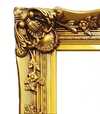
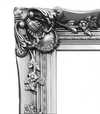
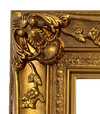
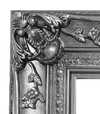
Pasirinkite iš mūsų nustatytų dydžių, atitinkančių originalaus meno kūrinio proporcijas.

Įveskite jums reikiamą plotį ir aukštį, kad atvaizdas derėtų prie jūsų rėmo ar sienos. Spausdiną galima tik sumažinti, bet nepadidinti virš originalaus paveikslėlio dydžio, todėl keičiant proporcijas, dalis vaizdo prarandama. Prieš spausdinimą atsiųsime jums skaitmeninį maketą patvirtinimui. Šioje puslapio nuotraukoje matomas pjūvis nėra tikslus – jį rodo tik maketas.
Pristatymas visame pasaulyje () per 2 weeks, o ne įprastas 4/5 savaičių laikotarpis. (18 lapkritis)

Nemokamas greitasis pristatymas visame pasaulyje

Aukštos kokybės lininis drobė

Pilnas siuntimo draudimas

Muitinės mokesčių grąžinimo garantija

Tikro spalvų atitikimo garantija

100 dienų grąžinimo politika (tik esant įtaigoms)

100% pinigų grąžinimo garantija

Nuolaida dideliems užsakymams
 Stiklo variantas prieinamas tik pasirinkus dydį iki 110 cm

Mural
Giclée / Meno spausdinimas
Reprodukcijos matmenys
-


Bendroji kaina
€ 55
panašūs kūriniai


Autoriaus biografija
Early Life, Family and Training
Antonio Corpora was born in Tunis on 15 August 1909 to Sicilian parents. This Mediterranean background provided the initial context for a career that would eventually move toward the center of European abstraction. His formal education began at the Tunis Institute of Fine Arts, where he developed the technical foundation necessary for his later departures from traditional form. During this formative period, he studied under the mentorship of Armand Vergeaud, a relationship that anchored his early development before his move toward the continental avant-garde.
The trajectory of his career shifted decisively in 1930 when Corpora moved to Paris. By 1931, he had settled in the city, entering a landscape that was rapidly redefining modernism. It was in this environment that he met Alberto Giacometti and Sergio Signori. These encounters placed him directly within the intellectual and social circles that would dictate the direction of mid-century art. His presence in Paris was not merely a change of scenery; it was a deliberate immersion into the core of the era's most significant aesthetic shifts.
Artistic Movements and Style
Corpora’s evolution is marked by a decisive break from structure. During the 1930s, his practice relied on abstract and geometric compositions, heavily shaped by the logic of Cubism and the color palettes of Fauvism. This period of controlled form eventually gave way to a more fluid approach. By 1946, he was actively pushing against these established boundaries, promoting a "Neo-Cubist" exhibition in Rome. His subsequent involvement with the Fronte Nuovo delle Arti signaled a shift toward a post-cubist sensibility that rejected rigid construction in favor of something more visceral.
The transition toward abstraction became more radical as his career progressed. He moved away from geometric certainty, embracing the spontaneous gestures of Tachisme and the energy of Abstract Expressionism. By the 1960s, his output aligned with the Informel movement, characterized by a rejection of traditional shape. This was not a mere change in preference but a fundamental shift in how he handled the physical surface of the work.
In his later years, the tactile nature of his painting became his primary concern. From about 1975, Corpora utilized a specific dripping technique to build texture. He worked on canvases roughened with sand and plaster of Paris, creating a rugged, physical landscape for his colors. This method allowed for a depth that relied on the material properties of the medium rather than the illusion of perspective.
Exhibitions and Professional Recognition
Corpora’s presence in the international circuit was cemented through repeated participation in the Venice Biennale. He exhibited there four times, securing a solo show at the event in 1960. His standing within the Italian art scene was further validated in 1952 when he was presented as part of the "Group of Eight" at the Venice Biennale. This period marked a significant moment of institutional recognition for his evolving approach to abstraction.
His career concluded with high-level state and academic honors. In 2003, the president of Italy presented him with an award, acknowledging his long-term contribution to the arts. He also achieved membership in the San Luca Academy. These distinctions reflect a professional trajectory that moved from the experimental fringes of post-cubist movements into the established core of Italian artistic institutions.

Antonio Corpora
1909 - 2004 , Tunisia
Trumpa informacija
- Artistic Movement Or Style:
- Tachisme
- Abstract Art
- Fronte Nuovo delle Arti
- Cubism
- Fauvism
- Abstract Expressionism
- Informel
- Neo-cubista
- Artists Who Influenced This Artist:
- Armand Vergeaud
- Braque
- Matisse
- Full Name: Antonio Corpora
- Nationality: Italian
- Place Of Birth: Tunis, Tunisia
- Date Of Birth: 1909
- Date Of Death: 2004
Susiję straipsniai

Alte Pinakothek: 25 Šedevrai, Įkvėpę Kartas | Tapyba, Menininkai ir Interjero Dekoracijos
Atraskite 25 įspūdingiausius 'Alte Pinakothek' šedevrus! Renesanso ir Baroko paveikslai, Albrecht Dürer, Rembrandtas ir kiti garsūs menininkai. Įkvėpkite interjerui su aukštos kokybės reprodukcijomis – WikiOO.org

Masterpieces of Munich: Top 25 Artworks in the Bavarian State Painting Collections
Explore 25 iconic masterpieces from Munich's Bavarian State Painting Collections. Discover timeless art on WikiOO.org.

Masterpieces of Munich: Top 25 Artworks in the Bavarian State Painting Collections
Explore 25 iconic masterpieces from Munich's Bavarian State Painting Collections. Discover timeless art on WikiOO.org.