

 Peržiūrėti realaus dydžio版
 Pasidalinti
 Dalintis
 Išsamiau
 Vadovas

 Atsisiųsti
 Panašūs eksponatai
 Rentgeno spindulių nuotrauka
 Automatinė diorama
 Q&A
Q&A Statistika
Interior
 Oil On Canvas
- WallArt
- Realism
 1888
1888- 19th Century
 92.0 x 73.0 cm
 Skaityti daugiau
Giclée / Meno spausdinimas
Muziejų lygio „giclée“ arba drobos spausdinimas: greita gamyba ir lankstios apdailos parinktys. ( Pirkti rankų darbo tapybą Perejti prie skaitmeninių vaizdų)




P118B €10

P118H €10

P118W €10

P438Z €10

P508JH €12

P508YH €12

P805H €10

P805Z €10

P919BZ €10

P919G €10

P919XJ €10

P959ZH €10

P968JZ €12

W106C €8

W218G €10

W218JH €8

W218Y €10

W307PJ €10

W316G €10

W316PJ €8

W316Y €10

W398PJ €8

W4111J €10

W500HY €15

W500JH €15

W692G €12

W849H €8

W940BG €15

W953PJ €8




Pasirinkite iš mūsų nustatytų dydžių, atitinkančių originalaus meno kūrinio proporcijas.

Įveskite jums reikiamą plotį ir aukštį, kad atvaizdas derėtų prie jūsų rėmo ar sienos. Spausdiną galima tik sumažinti, bet nepadidinti virš originalaus paveikslėlio dydžio, todėl keičiant proporcijas, dalis vaizdo prarandama. Prieš spausdinimą atsiųsime jums skaitmeninį maketą patvirtinimui. Šioje puslapio nuotraukoje matomas pjūvis nėra tikslus – jį rodo tik maketas.
Pristatymas visame pasaulyje () per 2 weeks, o ne įprastas 4/5 savaičių laikotarpis. (30 spalis)

Nemokamas greitasis pristatymas visame pasaulyje

Aukštos kokybės lininis drobė

Pilnas siuntimo draudimas

Muitinės mokesčių grąžinimo garantija

Tikro spalvų atitikimo garantija

100 dienų grąžinimo politika (tik esant įtaigoms)

100% pinigų grąžinimo garantija

Nuolaida dideliems užsakymams
 Stiklo variantas prieinamas tik pasirinkus dydį iki 110 cm

Interior
Giclée / Meno spausdinimas
Reprodukcijos matmenys
-


Bendroji kaina
€ 54
A Quiet Moment in Time: The Soul of Serusier's Interior
In the quiet corners of art history, certain works possess the unique ability to freeze a moment of profound simplicity, turning the mundane into something eternal. Paul Sérusier’s 1888 masterpiece, Interior, is precisely such a work. This oil on canvas, measuring 92 x 73 cm, invites the viewer into a rustic, domestic sanctuary that feels both intimately personal and universally relatable. At first glance, we encounter a scene of humble labor: a man standing in contemplation, his figure anchored by a white shirt and dark trousers, while a woman sits upon the stone floor, her hands lost in the rhythmic, meditative task of working with yarn or thread. There is no grand drama here, only the soft, heavy pulse of everyday life, captured with a precision that honors the dignity of the working class.
The atmosphere of the painting is thick with a sense of warmth and seclusion. Sérusier utilizes a palette dominated by earthy tones—deep browns, muted ochres, and soft shadows—which wrap the figures in a protective, domestic embrace. The lighting is masterfully subdued, suggesting the gentle, filtered glow of natural light entering a simple rural home. This careful manipulation of light does more than just illuminate the room; it creates a psychological depth, casting soft shadows that lend weight to the wooden walls and the textured stone floor. For the collector or interior designer, this piece offers a grounding presence, providing a sense of stability and historical weight to any curated space.
The Intersection of Realism and the Nabis Movement
While Interior is deeply rooted in the Realist tradition—a movement dedicated to the honest depiction of contemporary life—it also serves as a fascinating precursor to the avant-garde shifts that would soon redefine modern art. Sérusier, a pivotal figure in the Les Nabis group, was a painter who sought to bridge the gap between the tangible world and the symbolic essence of subject matter. In this work, we see the seeds of his later, more experimental styles, such as Cloisonnism and Synthetism. Although the figures are rendered with naturalistic detail, there is an emerging sense of flattened form and a deliberate arrangement of shapes that hints at the artist's growing interest in abstraction.
The composition is a masterclass in balance and harmony. The placement of the man on the left and the woman on the right creates a visual equilibrium that guides the eye through the domestic landscape, from the texture of the wooden walls to the delicate movement of the thread. This structural integrity ensures that the painting remains visually captivating even upon repeated viewings. For those seeking to adorn a home with art that inspires contemplation, this piece acts as a window into a bygone era, offering a sophisticated blend of historical significance and aesthetic grace. It is not merely a depiction of a room; it is an invitation to slow down, to breathe, and to find beauty in the quietest rhythms of existence.
Klausimai ir atsakymai
Kokia yra „Interior“ – Polius Serizjė dominuojanti spalva?
Pagrindinė „Interior“ spalva – Phthalo Green (#16101b). Dominuojančia spalva padeda lengviau suderinti kūrinį su interjeru.
Kokio Polius Serizjė kūrybos laikotarpio priklauso „Interior“?
„Interior“ priklauso Polius Serizjė kūrybos karjeros Early Period etapui. Ši klasifikacija atspindi kūrinio ryšį su menininko evoliucija.
Kokia „Interior“ – Polius Serizjė orientacija?
„Interior“ formatas yra Portrait. Tai padeda planuojant, kur būtų patalpinta reprodukcija.
panašūs kūriniai


Autoriaus biografija
Ankstyvieji gyvenimo ir kūrybos metai
Pranciškus Serjusier (Louis-Paul-Henri Sérusier), gimęs 1864 metų lapkričio 9 dieną Paryžiuje, buvo prancūzų dailininkas, kuris paliko ryškų pėdsaką moderniosios meno istorijoje. Jo kelias į meną prasidėjo Akademijoje Žulian (Académie Julian), kur jis studijavo viduryje aštuntojo dešimtmečio ir greitai tapo mokytoju. Šis laikotarpis žymėjo jo kūrybinės karjeros pradžią, kuri vėliau atvedė jį į abstraktaus meno pradininkų poziciją bei įkvėpimo šaltinį avangardinei “Nabis” grupei, sintetizmui ir kluaizonizmui. Serjusier nebuvo vien tik tapytojas; jis buvo vizionierius, kuris drąsiai ieškojo naujų meno formų ir išreiškimo būdų.
Kūrybinis laikotarpis ir Pont-Aveno įtaka
1888 metų vasarą Serjusier nuvyko į Pont-Aven, Bretanijos regioną, kur susibūrė nedidelė menininkų grupė, sutelkusi dėmesį aplink Paul Gauguin. Būtent ten, po Gaugueno griežtos priežiūros, jis sukūrė paveikslą “Talismanas” – radikalų kluaizonizmo eksperimentą, kuris priartėjo prie grynos abstrakcijos ribos. Šis darbas atskleidė jo novatorišką stilių ir ryžtą eksperimentuoti su naujomis technikomis. Kaip postimpresionistas, Serjusier tapo “Les Nabis” grupės nariu kartu su Pierre Bonnard, Édouard Vuillard ir Maurice Denis. Nors jis nebuvo toks žinomas kaip jo kolegos, Serjusier indėlis abstraktaus meno plėtrai yra nepaneigiamas.
Svarbiausi darbai ir palikimas
Serjusier sukūrė daugybę reikšmingų darbų, tarp kurių:
- “Lietaus audra” (L'Averse), 1893 m., Musée d’Orsay, Paryžius – paveikslas perteikia atmosferos pojūtį ir spalvų harmoniją.
- “Portretas Paul Ranson”, 1890 m., Musée d’Orsay, Paryžius – atspindi Serjusier meistriškumą portreto žanre.
- “Melancholija”, 1890 m. – gili emocinė kompozicija, perteikianti žmogaus vidinį pasaulį.
- “Gyvatės valgytojai” (The Snake Eaters), 1894 m., Muzeum Narodowe, Varšuva – simbolinis darbas, kupinas paslaptingumo ir alegorijų.
Vėlesniais metais Serjusier dėstė Akademijoje Ranson ir 1921 metais išleido knygą “ABC de la peinture”. Jis mirė 1927 metų spalio 7 dieną Morlaix mieste, palikęs po savęs turtingą meno paveldą.
Meno srovės ir įtaka
Serjusier kūrybai didelę įtaką padarė kluaizonizmas – stilius, pasižymintis ryškiais, plokščiais formomis, atskirtais tamsiomis kontūrais. Ši srovė, iškilusi devynioliktojo amžiaus pabaigoje, turėjo reikšmingos įtakos moderniosios meno raidai. Serjusier eksperimentavo su spalvomis ir formomis, siekdamas perteikti ne tik vizualų vaizdą, bet ir emocinę būseną bei simbolinę prasmę. Jo darbai atspindi jo filosofinį požiūrį į meną – norą išlaisvinti spalvas nuo daiktų apribojimų ir leisti joms kalbėti sava kalba.
Pagrindiniai akcentai: * Pranciškus Serjusier buvo prancūzų dailininkas, kuris pradėjo abstraktaus meno raidą ir įkvėpė “Nabis” judėjimą. * Jis studijavo Akademijoje Žulian ir vėliau dėstė Akademijoje Ranson. * Serjusier kūrybai didelę įtaką padarė kluaizonizmas, stilius, pasižymintis ryškiais formomis ir spalvomis.

Polius Serizjė
1864 - 1927 , Prancūzija
Trumpa informacija
- Gimimo Data: 1864 m. lapkričio 9 d.
- Gimimo Vieta: Paryžius, Prancūzija
- Meninis Stilius: Postimpresionizmas
- Mirties Data: 1927 m. spalio 7 d.
- Pilnas Vardas: Louis-Paul-Henri Sérusier
- Tautybė: Prancūzas
- Įtakoję Menininkai: ['Paul Gauguin']
- Įtakoti Judėjimai: ['Nabis']
- Žymiausi Darbai:
- Talizmanas
- L'Averse
Susiję straipsniai

Paul Cézanne: 25 Šedevrai, Keičiantys Meno Pasaulį | WikiOO.lt
Atraskite 25 Paul Cézanno šedevrus! Išsami analizė, istorijos ir įkvėpimas interjero dekorui. Modernus menas, impresionizmas, natiurmortai – viskas WikiOO.org. Explore the full collection online!
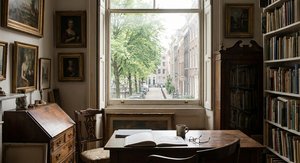
The Interior Gaze: Exploring Representations of Domestic Space in Art History
Explore the fascinating history of domestic interiors in art! From Dutch Masters to Impressionism, discover how artists captured home life & social meaning. Expert analysis and insights at WikiOO.

Romantic Realism's Finest: 10 Masterpieces for Your Home | WikiOO
Explore 10 defining masterpieces of Romantic Realism! Discover Courbet, Millet & Daumier's powerful paintings—capturing emotion and social realities. Find museum-quality reproductions for your home at WikiOO.org.

Intimate Interiors: Domestic Life & Artistic Representation from Renaissance to Impressionism
Explore the evolution of domestic life in Western art from the Renaissance to Impressionism. Discover symbolism, realism & artistic techniques shaping intimate interior scenes. Learn more with WikiOO.

Paul Klee: 25 Šedevrai, Įkvėpę Kartas | Tapyba, Dekorai ir Meninis Palikimas
Atraskite 25 Paul Klee šedevrus! Išsami analizė, meno istorija ir įkvėpimas interjerui. Abstraktaus meno kūriniai, ekspresionizmas, spalvų harmonijos. Aukštos kokybės reprodukcijos – WikiOO.org
