
 Voorvertoning
 Verstuur
 Delen
Delen
 Details bekijken

 Download
 Vergelijkbare items
 Röntgenonderzoek
 Diavoorstelling
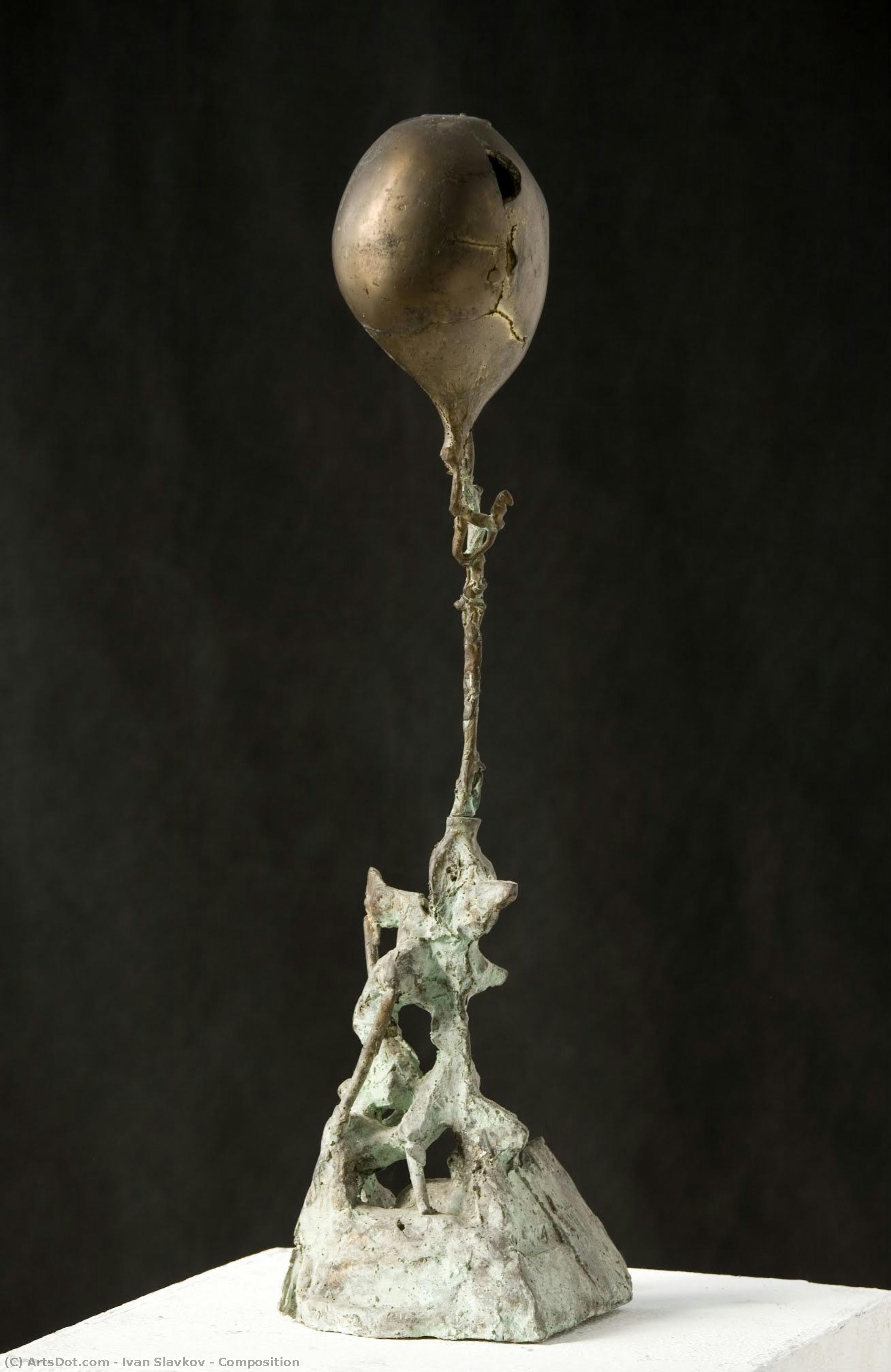
Composition

 Lees meer
Giclée / Kunstafdrukken
Giclée- of canvasafdruk van museumkwaliteit met een snelle productie en flexibele afwerkingsmogelijkheden. ( Bestel handgeschilderde reproductie Koop afbeelding)




































Kies uit onze vooraf ingestelde maten die overeenkomen met de originele verhoudingen van het kunstwerk.

U kunt uw eigen afmetingen opgeven om in een specifieke lijst of ruimte te passen. Als de door u gekozen maat niet overeenkomt met de proporties van het originele kunstwerk, zullen wij de afbeelding bijsnijden of uitbreiden met een gespiegelde of effen rand. Een digitaal mockup wordt ter goedkeuring naar u verzonden voordat de productie begint.
Houd er rekening mee dat de preview op het scherm de werkelijke bijsneding of uitbreiding niet weergeeft. Alleen de mockup toont de uiteindelijke compositie nauwkeurig.
Hoewel aangepaste maten beschikbaar zijn, raden wij aan een afmeting uit de vooraf bepaalde lijst te kiezen om de originele proporties te behouden.
Wereldwijde levering () binnen 2 weken in plaats van de standaard 4/5 weken. (16 augustus)

Gratis wereldwijde expressverzending

Hoogwaardig linnen canvas

Volledige verzendverzekering

Garantie op terugbetaling van invoerrechten

Garantie op exacte kleurweergave

Retourbeleid van 60 dagen (alleen bij defecten)

100% Geld-terug-garantie

Korting bij meerdere afnames
 De optie voor glas is alleen beschikbaar bij een formaat kleiner dan 110 cm.

Composition
Giclée / Kunstafdrukken
Afmetingen reproductie
-


Eindtotaal
$ 62
Vergelijkbare kunstwerken


Biografie van de kunstenaar
The Sculptor of Memory and Legacy
Ivan Slavkov (1940–2011) was an artist whose life and work were inextricably woven into the turbulent tapestry of Bulgarian history. Born in Sofia, he emerged from a lineage deeply embedded in the nation's political landscape, being the son of Ivan Slavov and the influential Lyudmila Zhivkova, daughter of the long-standing communist leader Todor Zhivkov. This proximity to power shaped an artistic vision that was both shaped by and resistant to the complexities of the Soviet era. While his personal narrative is often discussed through the lens of political influence, his true legacy resides in his ability to translate the profound weight of human emotion and resilience into tangible form. His sculptures, often rendered in enduring bronze, serve as silent witnesses to a period of immense social transformation, capturing the essence of a nation's struggle for identity and self-determination.
His artistic journey was marked by a unique synthesis of technical precision and deep emotional resonance. Though he initially pursued a degree in engineering from Sofia Technical University—a discipline that likely contributed to his mastery over the structural complexities of sculpture—he eventually found his true calling in the world of fine art. His formative years were heavily influenced by the tenets of socialist realism, a style that demanded a commitment to narratives of social responsibility and collective experience. However, Slavkov moved beyond mere propaganda, infusing his work with an evocative portrayal of the human condition. He possessed a rare ability to navigate the tension between the rigid ideologies of his youth and the universal, often tragic, nuances of individual existence.
A Life of Dualities: Sport, Art, and Public Discourse
Slavkov’s professional life was characterized by a remarkable duality, as he navigated the high-stakes arenas of international sports administration and the contemplative solitude of the sculptor's studio. Before cementing his reputation in the arts, he honed his voice as a journalist for Rabotnichesko Delo, developing a keen understanding of public discourse and communication. This period of observation likely informed the narrative depth found in his later works. Simultaneously, his physical prowess led him to excel in water polo, representing the Bulgarian national team with distinction—a discipline that requires both strength and an intimate connection to form and movement.
The most prominent chapter of his public life was his tenure as the President of the Bulgarian Olympic Committee (BOC) from 1982 to 2005. This role placed him at the center of global sporting politics during a period of monumental change in Bulgaria, from the collapse of communism to the nation's integration into the modern international community. While this era brought both prestige and significant controversy, it also provided a backdrop of intense human drama that mirrored the themes found in his art. His work often reflected this intersection of the public and the private, the monumental and the intimate, capturing the spirit of an era defined by transition.
Artistic Mastery and Enduring Impact
The technical brilliance of Slavkov’s sculptures lies in his command over medium and texture. Working frequently with bronze, he utilized the material's permanence to explore themes of memory and loss. His pieces are noted for their ability to evoke a sense of pathos, inviting viewers to contemplate the fragility of life against the backdrop of historical permanence. This was particularly poignant in his personal life; despite facing profound tragedies, such as the untimely death of his wife, Svetla Marinova, in a plane crash, Slavkov continued to push the boundaries of his expressive capabilities.
Ultimately, the significance of Ivan Slavkov extends beyond the aesthetic value of his bronze works. He remains a pivotal figure whose life serves as a bridge between two vastly different Bulgarias. His art stands as a testament to the endurance of the human spirit amidst political upheaval, offering a profound meditation on how we remember our past and how we shape our future. Through his sculptures, the echoes of a transformative era are preserved, ensuring that the complexities of his time continue to resonate with new generations of observers.

ivan slavkov
1940 - 2011 , Bulgaria
Belangrijkste feiten
- Artistic Movement Or Style: Bronze sculptures
- Date Of Birth: May 11, 1940
- Date Of Death: May 1, 2011
- Full Name: Ivan Slavkov
- Nationality: Bulgarian
- Notable Artworks: ['Composition']
- Place Of Birth: Sofia, Bulgaria


