

- 61.0 x 46.0cm


 Voorvertoning

 Verstuur
 Delen
 Details bekijken
 Gids


 Download
 Vergelijkbare items
 Röntgenonderzoek
 Diavoorstelling
 Vraag & antwoord
 Statistieken
Kijk van dichterbij
Elk detail, getrouw afgedrukt
Drie details van het schilderij, vergroot. Onze giclée-print behoudt elk detail in de door u gekozen afmeting.
i.
Het hart van de scène.
ii.
Licht en achtergrond
iii.
De penseelstreek.
Het schilderij
Beschrijving verzamelobject
This 1886 oil painting by William Brymner captures a girl sewing in a warm, intimate scene. Discover this beautiful piece of Canadian art today.
 Lees meer
Biografie kunstenaar
William Brymner (1855-1925): Een pionier voor de moderne Canadese kunstenaarskunstenaar die natuurlijke stijl en impressionisme combineerde. Ontdek zijn prachtige werken en zijn blijvende invloed op het hedendaagse Canadese schilderen!
A Quietude in Thread and Light
There is a profound stillness in this 1886 oil on canvas, a moment captured in the soft, filtered light of a domestic interior. A young girl, identified as the artist's own sister, sits nestled within the deep folds of a large, upholstered armchair. She is absorbed in the rhythmic, solitary task of sewing, her white gown catching the gentle illumination that spills from a window on the left. The scene feels intimate, almost private, as if we have stumbled upon a quiet afternoon in a Montreal home. The composition relies on a stable, triangular arrangement of her form, grounding the viewer in a sense of calm and permanence.
The atmosphere is one of focused solitude. Around her, the floor is scattered with the remnants of her labor—small, colorful scraps of fabric that break the earthy tones of the room. The light performs a delicate dance across the textures of the scene, casting soft shadows that give the armchair and the girl's features a palpable sense of volume. It is a study of light and shadow, where the chiaroscuro effect lends a quiet dignity to a simple, everyday act.
The Language of Texture and Tone
The artist employs a painterly approach, using controlled brushwork to distinguish between the various surfaces within the room. One can almost feel the weight of the heavy upholstery and the softness of the cotton dress through the visual cues provided by the paint. The palette is restrained, favoring warm ochres, deep reds, and browns, which creates a sense of warmth and comfort. This careful selection of color ensures that the small pops of color in the patchwork itself remain significant without disrupting the overall harmony.
- The interplay of natural light from the side window against the shadowed recesses of the armchair.
- The tactile contrast between the smooth skin of the subject and the rougher textures of the fabric remnants.
- The use of a shallow depth of field to direct the eye from the foreground scraps toward the central figure.
- The organic, soft lines that define the girl's silhouette and the folds of her clothing.
A Bridge Between Traditions
Painted during a period of significant transition, this work reflects the artist's deep immersion in the academic traditions of Paris while beginning to embrace a more sensitive, atmospheric approach to subject matter. Having studied at the Académie Julian, the artist brings a rigorous technical foundation to this piece, yet the focus remains on the honesty of the domestic sphere rather than grand historical narratives. This piece was significant enough to be selected for the Colonial and Indian Exhibition in London in 1886, marking its recognition beyond Canadian borders.
The painting captures a specific sensibility of the late 19th century, where the beauty of light and the arrangement of color were found in the most unassuming corners of life. It is a work that values the quiet observation of nature and the human form, bridging the gap between formal academic training and a more modern, empathetic way of seeing the world. Through this single, focused moment, we see the emergence of a distinct artistic identity rooted in both European technique and the intimate realities of Canadian life.
Veelgestelde vragen
Hoe intens zijn de kleuren van "Crazy Patchwork" door William Brymner (Willem Brynmans)?
De kleurintensiteit van "Crazy Patchwork" is Monochromatic. Intensiteit geeft aan hoe krachtig de kleuren overkomen.
Wat is de luminantie van "Crazy Patchwork" door William Brymner (Willem Brynmans)?
De kleuren van "Crazy Patchwork" hebben een luminantie van Soft Shadow.
Welk kleurenpalet wordt gebruikt in "Crazy Patchwork" door William Brymner (Willem Brynmans)?
De kleuren van "Crazy Patchwork" vormen een Earthy palet. Deze classificatie beschrijft de dominante kleurfamilies.

William Brymner (Willem Brynmans)
1855 - 1925, Verenigd Koninkrijk
De schilder
Biografie kunstenaar
A Pioneer Forging a Canadian Vision
William Brymner, born in Greenock, Scotland in 1855, stands as a pivotal figure in the development of Canadian art—a bridge between the established traditions of academic painting and the burgeoning currents of modernism. His life’s journey, marked by both rigorous training and an adventurous spirit, ultimately shaped a uniquely Canadian artistic identity. The Brymner family's emigration to Melbourne, Lower Canada (present-day Quebec) in 1857, and their subsequent move to Montreal in 1864, planted the seeds of his connection to the land that would become central to his artistic vision. Initially drawn to architecture, a practical pursuit reflecting his father’s stable career as Dominion Archivist, Brymner soon discovered his true calling lay within the realm of painting. This pivotal shift led him to Paris in 1878, where he enrolled at the prestigious Académie Julian, immersing himself in the world of fine art under the tutelage of William-Adolphe Bouguereau and Tony Robert-Fleury. These masters, renowned for their ‘grand manner’ naturalism, instilled in Brymner a foundation of technical skill and compositional understanding that would remain with him throughout his career.Parisian Influences and Artistic Development
The Parisian art scene proved transformative for the young artist. While mastering academic techniques—a deliberate effort to absorb the meticulous realism championed by Jean-Louis Ernest Meissonier—Brymner simultaneously embraced the burgeoning Impressionistic tendencies reshaping European artistic discourse. He consciously avoided portraying grand historical or mythological narratives, instead focusing on intimate domestic scenes and evocative landscapes—a decision that underscored his desire to depict the world around him with honesty and sensitivity. This period witnessed Brymner skillfully balancing the discipline of academic instruction with the experimental spirit characteristic of Impressionism. His style began to evolve, demonstrating a growing awareness of light’s subtle nuances and its profound impact on visual perception. Pieces like “Two Girls Reading” (1898) exemplify this early mastery, capturing fleeting moments and imbuing them with quiet emotion—a testament to his ability to translate observation into artistic expression. He wasn't merely replicating what he saw; he was interpreting it through a lens informed by both tradition and innovation.Returning to Canada: Teacher and Innovator
In 1886, Brymner returned to Montreal after nearly seven years of intermittent residence in Paris, establishing himself as a prominent art teacher and significantly influencing the trajectory of Canadian artistic development. He became Director of the Art Association of Montreal school from 1886 to 1921, fostering an environment that encouraged experimentation and challenged conventional aesthetic norms. His landscapes frequently depicted scenes around Quebec and the Maritimes, capturing the breathtaking beauty of Canada with a burgeoning Impressionistic flair. Works like “In the Orchard (Spring)” (1892) and his paintings of Ile aux Coudres—characterized by their atmospheric qualities—demonstrate this evolving approach—a loosening of brushwork, a heightened sensitivity to color, and an emphasis on conveying the mood of a place rather than simply its physical appearance. Brymner’s influence extended far beyond his individual canvases; he was shaping a movement.Major Works & Continued Influence
Brymner's oeuvre encompasses a diverse range of subjects—from monumental historical compositions like “Frontenac Receiving Sir William Philip's Envoy” to intimate depictions of everyday life, such as "The Weaver." His landscapes—particularly those capturing the serene vistas of Quebec and the Maritimes—are celebrated for their masterful use of light and color. Beyond his artistic output, Brymner’s legacy resides in his role as a mentor—inspiring generations of Canadian artists who embraced Impressionistic techniques and championed innovative approaches to visual representation. Students like Helen McNicoll, Edwin Holgate, Clarence Gagnon, Prudence Heward, and Anne Savage benefited immensely from his guidance, furthering the development of Canadian modernism. His unwavering commitment to artistic freedom and his advocacy for Canadian talent cemented his place as a true pioneer—a figure whose influence continues to resonate within the annals of Canadian art history. His enduring contribution is evident not only in his paintings but also in the formative impact he had on subsequent generations of artists. Brymner’s work remains an invaluable resource for understanding the genesis of Canadian artistic identity and its evolution toward a distinctly modernist vision.Snelle feiten over William Brymner (Willem Brynmans)
- Artistic Movement Or Style: Impressionisme & Naturalisme
- Artists Or Movements Influenced By This Artist: ['Beaver Hall Group']
- Artists Who Influenced This Artist:
- Bouguereau
- Robert-Fleury
- Date Of Birth: December 14, 1855
- Date Of Death: June 18, 1925
- Full Name: William Brymner
- Nationality: Canadees
- Notable Artworks:
- Frontenac Receiving Envoy
- The Weaver
- Summer Landscape
- Place Of Birth: Greenock, UK
Giclée / Kunstafdrukken
Laat het drukken voor u gemaakt
Giclée / Kunstafdrukken
Giclée- of canvasafdruk van museumkwaliteit met een snelle productie en flexibele afwerkingsmogelijkheden. ( Bestel handgeschilderde reproductie Schakel over naar digitale afbeeldingen)

Uw opdracht

Crazy Patchwork
Druktechniek
Afmetingen reproductie
-

Lijst voor reproductie
-
-
Voor kunstwerken of reproducties die aan één zijde groter zijn dan 105 cm (ongeveer 41 inch), wordt de lijst als een losse set verzonden. Deze methode garandeert een veilige levering en voorkomt schade tijdens het transport.
Professionele montage vereist - dit is geen doe-het-zelfproduct.
De set moet worden gemonteerd en het canvas moet worden gespannen door een ervaren professionele lijstenmaker, met gebruik van houtlijm (niet inbegrepen), een doekspanter en klemmen om de sponningen recht te houden terwijl de lijm droogt. Onjuiste montage of een ongelijkmatige spanning op het canvas kan het kunstwerk permanent beschadigen en wordt niet gedekt door onze garantie.
 Voor kunstwerken of reproducties die aan één zijde groter zijn dan 105 cm (ongeveer 41 inch), wordt de lijst als een losse set verzonden. Deze methode garandeert een veilige levering en voorkomt schade tijdens het transport.
Alle massief houten onderdelen zijn inbegrepen, nauwkeurig op maat gesneden voor montage.
Te monteren met de meegeleverde schroeven, plus houtlijm voor de hoekverbindingen, die niet wordt meegeleverd en door uw lijstenmaker moet worden aangeschaft.
Professioneel gereedschap is vereist en niet inbegrepen: een spanner voor canvas en klemmen om de latten recht te houden terwijl de lijm droogt.
Belangrijk:
De hoekverbindingen vereisen houtlijm, de latten moeten met lijmklemmen worden vastgehouden tot de lijm volledig is opgedroogd, en het spannen van het canvas op het samengestelde frame vereist een doekspanter. Geen van deze artikelen is inbegrepen in de set. Wij adviseren u om een ervaren professionele lijstenmaker te raadplegen voordat u deze maat bestelt.

Naamplaatje
-
-

Beschermende vernislaag
Glanzende vernis (versterkt de kleuren en biedt bescherming tegen licht en vocht)
-

Spoedlevering
Wereldwijde levering () binnen 2 weken in plaats van de standaard 4/5 weken. (22 november)
-
Spoedlevering
Wereldwijde levering () binnen 4/5 weken. (29 november).
Inbegrepen
Eindtotaal
€ 55
De optie voor glas is alleen beschikbaar bij een formaat kleiner dan 110 cm.
i.
Schaal
Het origineel heeft de afmetingen 61.0 x 46.0cm. Schuif het naar uw muur: elke maat behoudt zijn proporties.
Kies uit onze vooraf ingestelde maten die overeenkomen met de originele verhoudingen van het kunstwerk.

Voer de gewenste breedte en hoogte in, passend bij uw lijst of muur. Een afdruk kan alleen worden ingekort en nooit groter worden gemaakt dan het origineel; een formaat met andere verhoudingen zal daarom een deel van de afbeelding verliezen. Wij sturen u een digitaal mockup ter goedkeuring voordat we tot drukwerk overgaan. De afbeelding op deze pagina toont niet de werkelijke uitsnede — dit is alleen te zien op het mockup.
ii.
Lijst
De lijst is op de schildering getekend met de werkelijke breedte.
Ingelijst

Wit €1

Vervagende randen €1

Doorlopende rand €1

P118B €10

P118H €10

P118W €10

P438Z €10

P508JH €12

P508YH €12

P805H €10

P805Z €10

P919BZ €10

P919G €10

P919XJ €10

P959ZH €10

P968JZ €12

W106C €8

W218G €10

W218JH €8

W218Y €10

W307PJ €10

W316G €10

W316PJ €8

W316Y €10

W398PJ €8

W4111J €10

W500HY €15

W500JH €15

W692G €12

W849H €8

W940BG €15

W953PJ €8
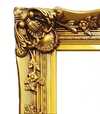
H24-GOLD €30
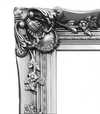
H24-SILVER €30
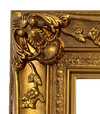
H36-GOLD €45
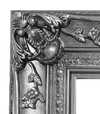
H36-SILVER €45
iii.
Materiaal en techniek
Canvas wordt gedrukt met giclée-inkten en kan worden opgespannen of ingelijst als een schilderij; papier wordt plat geleverd, of ingelijst achter glas.
De optie voor glas is alleen beschikbaar bij een formaat kleiner dan 110 cm.
iv.
Afwerking
Naambordje, vernis en levering.
Naamplaatje
Details van de gegraveerde bronzen plaat
This elegant plaque features the artist's name and the title of the artwork, finely engraved for a timeless presentation.
It is made from bronze with a refined, elegant finish. The text is precisely laser-engraved for a sharp and permanent result. Measuring 9x2 cm, the plaque is compact yet easy to read. It's built to be durable and scratch-resistant, offering a professional, museum-quality look. Mounting is simple thanks to the included adhesive backing.
Details transparante acrylplaat
The plaque includes essential engraved details such as the artist's name, the title of the artwork, the date it was created, the type of media used-like oil on canvas or watercolor-a brief description of the piece, and a QR code that links to the complete artwork information.
It is crafted from clear acrylic, offering a sleek, modern appearance. The text is UV-engraved in black to ensure strong visual contrast. With a size of 10x15 cm, it ensures optimal readability. It comes equipped with two metal hooks for secure wall mounting. The plaque is designed to be weather-resistant, making it suitable for various environments, and it includes interactive features that work seamlessly with smartphone scanning.
Details zwarte acrylplaat
This elegant plaque includes engraved information such as the artist's name, the title of the artwork, the date it was created, the type of media used (like oil on canvas or watercolor), a short description of the artwork, and a QR code for quick access to more information.
The plaque itself is made from refined black acrylic with a premium finish. The text is laser-engraved in white for high contrast and readability. Its size is 10x15 cm, designed to be easy to read. It comes with two metal hooks for professional mounting. The design is sleek and fits any interior style. It is also weather-resistant and durable, with built-in digital integration for mobile compatibility.
Beschermende vernislaag
Spoedproductie en -levering
Wereldwijde levering () binnen 2 weken in plaats van de standaard 4/5 weken. (22 november)
- Gratis wereldwijde expressverzending
- Hoogwaardig linnen canvas
- Volledige verzendverzekering
- Garantie op terugbetaling van invoerrechten
- Garantie op exacte kleurweergave
- Retourbeleid van 100 dagen (alleen bij defecten)
- 100% Geld-terug-garantie
- Korting bij meerdere afnames


Snelle feiten en kunstquiz
Gerelateerde artikelen

Palette Harmony: Master the Art of Balancing Color in Luxury Interior Design
Elevate your hospitality projects with expert guidance on color harmony. Discover how to master palettes through the lens of fine art, from Impressionist light to Post-Impressionist depth, creating sophisticated, cohesive, and luxurious interior environments.

Laboratory vs. Manifesto: Understanding Salon and Gallery Cubism
Learn the key differences between Salon and Gallery Cubism through scale, color, and intent. Master art history with our expert guide now.

French artworks of the 1890s
French Impressionist and Post-Impressionist masterpieces by Claude Monet, Paul Gauguin, and Paul Cézanne. Find museum-quality decor on WikiOO.org.

The Soul of Still Life: Capturing the Ephemeral Beauty of Everyday Objects through Impressionist Eyes
Discover the soulful beauty of Impressionist still life. Explore how masters like Cézanne and Gauguin transformed everyday objects into luminous works of art. At WikiOO.org, we celebrate this timeless legacy through exquisite, hand-painted oil reproductions.
Vergelijkbare kunstwerken


