

- 100.0 x 81.0 cm


 Forhåndsvisning
 Send
Send Del
Del
 Vis detaljer
 Utskriftsvennlig guide

 Last ned bilde
 Liknende objekter
 Røntgenundersøkelse
 Lysbildefremvisning
 Q&A
Q&A Statistikk
Look closer
Every detail, painted by hand
Ubu Imperator by Max Ernst – A surrealist painting depicting a man holding a colossal red vase or cannon amidst a detailed tableau featuring a bird, clock, and chair.
i.
The heart of the scene.
ii.
Light and background.
iii.
The brushwork.
The painting
A Visionary Encounter in the Realm of the Unconscious
The canvas holds an arresting stillness, yet pulsates with a hidden, restless energy—a testament to the visionary approach of Max Ernst and his seminal work, “Ubu Imperator.” Painted in 1923 during the height of Dadaism and the burgeoning fervor of Surrealism, this monumental piece transcends mere representation; it is a deliberate provocation designed to unsettle the viewer and confront them with unsettling juxtapositions. Within this composition, we encounter a scene that feels plucked from a fever dream, where the boundaries between reality and the subconscious dissolve into a tapestry of strange, evocative forms.
At its heart, the painting presents a figure—presumably representing Ubu Imperator, the tyrannical ruler from Alfred Jarry’s absurdist drama—seated upon a throne constructed of interwoven branches. A disconcerting bird perches precariously atop this structure, serving as a poignant symbol of fragility and vulnerability juxtapared against the imposing, heavy grandeur of power. This tension highlights the inherent contradictions within human ambition and the precarious nature of authority. As the eye wanders through the detailed landscape, one might notice a clock dominating the composition, adding a layer of temporal anxiety to an otherwise timeless, dreamlike space.
The Alchemy of Texture and Technique
Ernst’s method was nothing short of revolutionary, abandoning traditional academic conventions in favor of an experimental process known as frottage. Deeply influenced by his fascination with psychoanalysis and Carl Jung's theories on the unconscious, Ernst meticulously rubbed pencil over textured surfaces—wood grain, fabric, even dried leaves—capturing their organic impressions onto the canvas beneath. This layering of textures is far from accidental; it serves as a conduit for accessing hidden realms of the imagination, mirroring the way the subconscious mind generates unexpected patterns and forms.
The resulting surface is riddled with subtle variations in tone and texture, creating an illusionistic depth that defies conventional perspective. For the collector or interior designer, this technique offers a tactile richness that brings a sense of movement and organic life to any space. The painting does not merely sit upon the wall; it breathes through its complex, scraped, and rubbed surfaces, inviting the viewer to lean closer and discover the secrets hidden within its many layers.
A Legacy of Rebellion and Surrealist Splendor
To possess a reproduction of “Ubu Imperator” is to hold a piece of art history that captures the very moment when the modern psyche began to explore its own shadows. Max Ernst, a primary pioneer of both Dada and Surrealism, used his work to grapple with the "why" of existence rather than just the "how." His refusal to adhere to formal training allowed him to invent entirely new visual languages, making his works timelessly relevant to contemporary tastes that value authenticity and psychological depth.
For those seeking to infuse a room with intellectual intrigue and emotional resonance, this piece offers an unparalleled opportunity. Whether placed in a sophisticated gallery-style living room or a curated study, the painting acts as a conversation starter—a window into a world where the bizarre becomes beautiful and the mechanical meets the organic. It is more than a decoration; it is an invitation to wonder, a fragment of a revolution that continues to captivate the modern soul.
Spørsmål og svar
Hvordan laster jeg ned bildet av "Ubu Imperator" av Max Ernst?
Bildet av "Ubu Imperator" av Max Ernst kan lastes ned fra verkets Last ned digitalt bilde-side: nedlasting av et digitalt bilde i høy oppløsning.
Hvordan forenes medium og bevegelse i "Ubu Imperator"?
"Ubu Imperator" er utført i Oil On Canvas, i Surrealism-stil.
Hvilken palett og hvilken dominerende farge definerer "Ubu Imperator"?
"Ubu Imperator" av Max Ernst bruker en Dark-palett, med Plum (#aabeeb) som den dominerende fargen.
Dette kunstverket er beskyttet av opphavsrett
Kunstverket som vises på denne siden er beskyttet av opphavsretten, noe som betyr at vi ikke har juridisk tillatelse til å lage eller selge identiske reproduksjoner. Denne beskyttelsen håndheves i henhold til internasjonale avtaler som for eksempel Bernerkonvensjonen og av nasjonale lover, inkludert de som er fastsatt i Amerikansk lov om opphavsrett – Tittel 17.
Som et respektfullt og lovlig alternativ tilbyr vi skreddersydde, håndmalte kunstverk inspirert av originalen. Våre dyktige og profesjonelle kunstnere studerer nøye originalens stil, stemning og kunstneriske essens for å skape et nytt og unikt verk som vekker den samme følelsen – samtidig som det forblir en original skapelse i seg selv.
Denne metoden er i fullt samsvar med opphavsrettslige regler, da den ikke innebærer kopiering eller duplisering av det beskyttede kunstverket. I stedet er det snakk om en kreativ nytolkning – et nytt maleri som er inspirert av originalen, men ikke identisk med den.
 Les mer om dette
Max Ernst
1891 - 1976, Tyskland
The painter
Utforsk Max Ernsts surrealistiske verden! Oppdag frottage, collager og drømmende malerier med fugler, landskap & psykologisk dybde. #MaxErnst #Surrealisme #Dada
Om kunstneren
A Life Immersed in the Surreal
Max Ernst, born Maximilian Maria Ernst on April 1st, 1891, in Brühl, Germany, was a restless spirit destined to become one of the most pivotal figures in 20th-century art. His journey wasn’t one of conventional artistic training; rather, it was a self-directed exploration fueled by philosophical inquiry, psychological fascination, and a profound disillusionment with societal norms. Ernst's father, a teacher of the deaf and an amateur painter, instilled in him both a sensitivity to the world and a rebellious streak against established authority. This early duality would become a defining characteristic of his artistic vision.
Ernst’s academic pursuits at the University of Bonn – encompassing philosophy, art history, literature, psychology, and psychiatry – were not merely diversions but foundational elements that deeply informed his later work. He wasn’t simply interested in *how* to paint; he was grappling with *why*. This intellectual curiosity led him to encounter the groundbreaking works of Picasso, Van Gogh, and Gauguin at the Sonderbund exhibition in Cologne in 1912, a moment that irrevocably altered his artistic trajectory. The seeds of modernism had been sown.
Dada’s Disruption and the Birth of Surrealist Visions
The cataclysm of World War I proved to be a watershed moment for Ernst. His experiences as a soldier on both the Eastern and Western fronts left him profoundly shaken, fostering a deep skepticism towards established order and a yearning for new modes of expression. This disillusionment found fertile ground in the burgeoning Dada movement, which he embraced wholeheartedly after returning to Cologne in 1918. Alongside Hans Arp – a lifelong friend and collaborator – Ernst became a central figure in the Cologne Dada group, rejecting traditional artistic conventions and embracing absurdity, chance, and anti-rationality.
The Dadaists sought to dismantle bourgeois values and challenge accepted notions of beauty and logic. They employed techniques like collage, photomontage, and assemblage—often incorporating found objects—to create jarring juxtapositions that mocked the seriousness of the era. Ernst’s Dada output was marked by a preoccupation with disturbing imagery and a deliberate disregard for conventional artistic standards.
Pioneering Techniques: Frottage, Grattage, and Collage
Ernst's artistic innovation extended beyond subject matter; he was a relentless experimenter with technique. He didn’t simply adopt existing methods—he invented new ones. Perhaps his most famous contribution is frottage, a process of rubbing pencil or charcoal over textured surfaces to create unexpected and evocative images. This technique, born from a moment of boredom while observing wood grain, allowed Ernst to tap into the subconscious and generate forms that defied conscious control. It was a method he famously described as “a way of letting the unconscious speak.”
Closely related was grattage, where paint is scraped across canvas revealing underlying layers—often incorporating textures and patterns created by previous paintings. Ernst’s meticulous layering of colors and surfaces contributed to the dreamlike atmosphere characteristic of his work.
Surrealist Exploration: Dreams, Symbolism, and Psychological Depth
Ernst's engagement with Surrealism solidified his commitment to exploring the realm of dreams, the unconscious mind, and the irrational. Influenced by Sigmund Freud’s psychoanalytic theories—particularly his concept of “the Oedipus complex”—Ernst sought to unlock hidden desires and anxieties through his art. He wasn’t interested in depicting reality as it appeared but rather in revealing the underlying psychological forces that shaped perception.
His paintings frequently incorporate symbolic imagery: birds (often representing freedom and aspiration), desolate landscapes reflecting inner turmoil, unsettling juxtapositions designed to provoke thought and emotion—and recurring motifs like Loplop, Ernst’s alter ego, which embodies a blend of masculine and feminine energies. His artistic vision was driven by a profound desire to confront the darker aspects of human experience.
Major Achievements and Legacy
Throughout his prolific career, Ernst produced an astonishing array of paintings, sculptures, prints, and drawings—spanning genres from figurative landscapes to abstract compositions. Notable works include “Ofrenda funeraria,” “The Equivocal Woman,” and “L’Ange du foyer”—each demonstrating Ernst's mastery of technique and his ability to convey complex psychological states.
Max Ernst’s influence on subsequent generations of artists is undeniable. He championed innovative methods, challenged artistic conventions, and established himself as a cornerstone of Surrealist art—a movement that continues to resonate with audiences worldwide. His legacy resides not only in his stunning visual creations but also in his unwavering belief in the transformative power of imagination and the importance of confronting uncomfortable truths.
Quick facts about Max Ernst
- Artistic Movement Or Style: Dada, Surrealisme
- Artists Or Movements Influenced By This Artist:
- Surrealisme
- Dada
- Artists Who Influenced This Artist:
- Picasso
- Van Gogh
- Gauguin
- Date Of Birth: 1. april 1891
- Date Of Death: 1. april 1976
- Full Name: Max Ernst
- Nationality: Tysk-Amerikansk, Fransk
- Notable Artworks:
- Byen helhetlig
- Euclides
- Av denne skal ingen vite
- Place Of Birth: Brühl, Tyskland


Håndlaget oljereproduksjon
Have it painted for you
Håndlaget oljereproduksjon
Håndmalt olje på lerret i din valgte størrelse og ramme, laget på bestilling av våre kunstnere. ( Bytt til trykk Bytt til digitalt bilde)

Your commission

Ubu Imperator
Trykkmetode
Størrelse på reproduksjon
-

Utvalgte mesterkunstnere
Mer detaljrikdom, finesse og ekstra produksjonstid
-

Innramming av reproduksjon
-
-
For kunstverk eller reproduksjoner som er større enn 105 cm (ca. 41 tommer) på noen side, vil rammen bli sendt som et sett som må monteres. Denne metoden sikrer trygg levering og forhindrer skader under transport.
Krever profesjonell montering – dette er ikke et DIY-produkt.
Settet må monteres og lerretet strammes av en erfaren profesjonell rammelegger, ved bruk av trelim (følger ikke med), en lerretstang og klemmer for å holde rammelisten vinkelrett mens limet tørker. Feilaktig montering eller ujevn stramming av lerretet kan påføre kunstverket permanente skader og er
 For kunstverk eller reproduksjoner som er større enn 105 cm (ca. 41 tommer) på noen side, vil rammen bli sendt som et sett som må monteres. Denne metoden sikrer trygg levering og forhindrer skader under transport.
Alle massive trelister er inkludert, presist tilpasset i størrelse.
Monteres med de medfølgende skruene, samt trelim til hjørnene, som ikke er inkludert og må anskaffes av din rammehandler.
Profesjonelt verktøy er nødvendig og er ikke inkludert: en lerretstang (strammer) og klemmer for å holde rammene vinkelrette mens limet tørker.
Viktig:
Hjørnene krever trelim, listene må holdes på plass med tvinger til limet er helt tørt, og stramming av lerretet på den ferdige rammen krever en lerretstang. Ingen av disse produktene er inkludert i settet. Vennligst sørg for tilgang til en erfaren profesjonell rammehandler før du bestiller denne størrelsen.

Navneskilt
-
-

Beskyttende ferniss
Blank lakk (forsterker farger, beskytter mot lys og fuktighet)
-

Tilpass mitt kunstverk
Eksempler på hva som kan endres: Erstatt ansikt med bilde av kunden; Legg til kjæledyr (f.eks. bytt ut katt med hund); Inkluder en skjult melding i bakgrunnen; Endre bakgrunnslandskap eller elementer.
-

Ekspresslevering
Verdensomspennende levering () på 3–4 uker i stedet for standard 5 uker. (31 October). Ingen kompromisser med kvaliteten.
-
Ekspresslevering
Verdensomspennende levering til innen 5 uker. (7 November).
Inkludert frakt
Totalpris for valgte alternativer
Nkr 2550
Glassalternativet er kun tilgjengelig i størrelser under 110 cm
i.
Scale
The original measures 100.0 x 81.0 cm. Slide to your wall: every size keeps its proportions.
Velg mellom våre forhåndsdefinerte størrelser som bevarer kunstverkets opprinnelige proporsjoner.

Skriv inn ønsket bredde og høyde for å tilpasse bildet til din ramme eller vegg. Siden dette er håndmalt, kan kunstneren male litt mer rundt motivet eller beskjære det noe dersom du velger et annet format — valget er ditt. Vi sender deg en digital mockup til godkjenning før maleriet påbegynnes. Bildet som vises på denne siden representerer ikke det faktiske resultatet — kun mockuppen viser det endelige uttrykket.
ii.
Frame
The frame is drawn on the painting at its true width.
Innrammet

White Nkr1

Blurside Nkr1

Extended Nkr1

P118B Nkr10

P118H Nkr10

P118W Nkr10

P438Z Nkr10

P508JH Nkr12

P508YH Nkr12

P805H Nkr10

P805Z Nkr10

P919BZ Nkr10

P919G Nkr10

P919XJ Nkr10

P959ZH Nkr10

P968JZ Nkr12

W106C Nkr8

W218G Nkr10

W218JH Nkr8

W218Y Nkr10

W307PJ Nkr10

W316G Nkr10

W316PJ Nkr8

W316Y Nkr10

W398PJ Nkr8

W4111J Nkr10

W500HY Nkr15

W500JH Nkr15

W692G Nkr12

W849H Nkr8

W940BG Nkr15

W953PJ Nkr8

H24-GOLD Nkr30

H24-SILVER Nkr30

H36-GOLD Nkr45

H36-SILVER Nkr45
iii.
Make it yours
A painting made by hand can be made for one person.
After order, WikiOO.org team will email client for instructions and provide a mockup preview
iv.
Finishing
Nameplate, varnish and delivery.
Navneskilt
Detaljer om gravert bronseplate
This elegant plaque features the artist's name and the title of the artwork, finely engraved for a timeless presentation.
It is made from bronze with a refined, elegant finish. The text is precisely laser-engraved for a sharp and permanent result. Measuring 9x2 cm, the plaque is compact yet easy to read. It's built to be durable and scratch-resistant, offering a professional, museum-quality look. Mounting is simple thanks to the included adhesive backing.
Detaljer om gjennomsiktig akrylplate
The plaque includes essential engraved details such as the artist's name, the title of the artwork, the date it was created, the type of media used-like oil on canvas or watercolor-a brief description of the piece, and a QR code that links to the complete artwork information.
It is crafted from clear acrylic, offering a sleek, modern appearance. The text is UV-engraved in black to ensure strong visual contrast. With a size of 10x15 cm, it ensures optimal readability. It comes equipped with two metal hooks for secure wall mounting. The plaque is designed to be weather-resistant, making it suitable for various environments, and it includes interactive features that work seamlessly with smartphone scanning.
Detaljer om plakett i svart akryl
This elegant plaque includes engraved information such as the artist's name, the title of the artwork, the date it was created, the type of media used (like oil on canvas or watercolor), a short description of the artwork, and a QR code for quick access to more information.
The plaque itself is made from refined black acrylic with a premium finish. The text is laser-engraved in white for high contrast and readability. Its size is 10x15 cm, designed to be easy to read. It comes with two metal hooks for professional mounting. The design is sleek and fits any interior style. It is also weather-resistant and durable, with built-in digital integration for mobile compatibility.
Beskyttende ferniss
Hurtiglevering og produksjon
Verdensomspennende levering () på 3–4 uker i stedet for standard 5 uker. (31 October). Ingen kompromisser med kvaliteten.
- Gratis ekspressfrakt over hele verden
- Lerretsduk av lin av høy kvalitet
- Full transportforsikring
- Garanti for refusjon av toll og importavgifter
- Garantert fargegjengivelse
- 100 dagers returrett ved fabrikasjonsfeil
- 100% pengene tilbake-garanti
- Rabatt ved flere kjøp


Quick facts and art quiz
Relaterte artikler

Dreamscapes & Disrupted Realities: Exploring Surrealism's Enduring Influence
Explore the fascinating world of Surrealism! Discover its origins, key artists like Dalí & Magritte, and enduring influence on art & culture. Expert insights & high-quality reproductions at WikiOO.

Surrealismens 10 Mesterverk: Kunst som utfordrer virkeligheten – WikiOO.no
Utforsk surrealismens 10 mest ikoniske malerier – Dalí, Magritte & mer! Oppdag historiene bak mesterverkene og finn kunsttrykk til ditt hjem. Eksklusive reproduksjoner på WikiOO.no.

Beyond Reality's Grasp: Exploring the Philosophical Foundations of Surrealism
Explore the philosophical roots & artistic innovations of Surrealism with WikiOO. Discover Dalí, Ernst, Delvaux & Freud's influence on this revolutionary movement. High-quality art reproductions available.
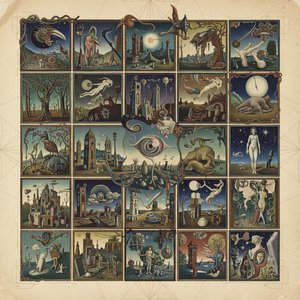
Max Ernsts 25 Mesterverk: Surrealisme, Kunst og Inspirasjon til Ditt Hjem
Utforsk Max Ernsts 25 mest ikoniske surrealistiske malerier! Oppdag historien bak hvert mesterverk, teknikken og den tidløse skjønnheten. Finn kunsttrykk av høy kvalitet til ditt hjem på WikiOO.org – inspirert av drømmekunst og avantgarde.
Lignende kunstverk


