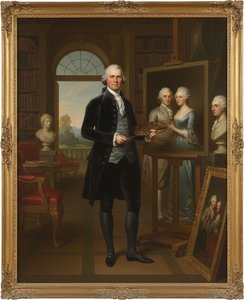
Nathaniel Hone II: Bridging Romantic Vision and Artistic Authenticity
Nathaniel Hone II (born c. 1837, Edinburgh; died 1910, London) stands as a singular figure in Victorian art—a painter whose prolific output defied categorization and whose reputation endured considerable controversy throughout his lifetime. He achieved renown primarily for his landscapes of Cornwall and Wales, imbued with an atmospheric Romantic sensibility that nonetheless possessed a meticulous technical precision uncommon among his peers. Hone’s artistic journey was marked by experimentation, forgery accusations, and ultimately, a legacy as both celebrated artist and enigmatic manipulator of the art market.Early Life and Artistic Training
Born into a family steeped in Scottish intellectual tradition—his father, William Hone Sr., was a journalist known for satirical commentary—Nathaniel Hone II received an education that fostered critical thinking alongside artistic aptitude. He studied at Edinburgh Academy and subsequently pursued formal training under John Atkinson Grimshaw, a prominent landscape painter whose influence is palpable in Hone’s stylistic choices. Grimshaw championed the importance of tonal gradation and atmospheric perspective, principles Hone diligently incorporated into his canvases—a conviction that profoundly shaped Hone's artistic vision. This dedication to meticulous observation and skillful execution would become hallmarks of his distinctive oeuvre.Cornish Landscapes: A Synthesis of Romantic Idealism
Hone’s fame solidified through his series of Cornish landscapes—a breathtaking collection totaling over 150 paintings depicting dramatic coastal vistas, rugged moorlands, and serene estuaries. These works exemplify the Romantic preoccupation with sublime beauty—the awe-inspiring grandeur of nature perceived as both powerful and spiritually transformative. Hone's technique transcended mere imitation; he achieved remarkable tonal accuracy through painstaking layering of oil paints, capturing subtle nuances of light and shadow that conveyed an unparalleled sense of realism. Notable paintings include “The Pont du Gard,” a monumental depiction of the Roman aqueduct bathed in misty sunlight—a testament to Hone’s mastery of atmospheric illusion—and "The Derelict," which portrays a crumbling ruin amidst windswept dunes, reflecting themes of decay and resilience. The artist's meticulous attention to detail—particularly his masterful rendering of texture and surface—elevated Cornish landscapes beyond mere scenic representation into profound meditations on the relationship between humanity and the natural world.Forgery Scandal and Artistic Reputation
Despite his artistic accomplishments, Hone’s career was shadowed by a sensational forgery scandal that erupted in 1893. He was implicated in the fabrication of copies of paintings attributed to Eugène Delacroix and Frédéric Chopin—a revelation that shook the art world and tarnished his reputation. While investigators ultimately exonerated Hone of criminal wrongdoing, the affair fueled speculation about his artistic methods and challenged perceptions of his integrity. The scandal underscored the complexities inherent in assessing an artist’s oeuvre—particularly when confronted with questions of authenticity and deception—and prompted critical reflection on the ethical responsibilities incumbent upon artists operating within a commercial context. Nevertheless, Hone's enduring legacy rests firmly upon his extraordinary artistic achievements—a testament to his unwavering commitment to stylistic innovation and technical virtuosity.Legacy and Historical Significance
Nathaniel Hone II’s lasting impact extends beyond his individual paintings; he served as a pivotal figure in shaping Victorian landscape painting—championing a distinctive approach that prioritized tonal subtlety and atmospheric illusion over conventional representation. His influence can be discerned in the works of subsequent generations of artists who embraced Hone's pioneering vision—solidifying his place as a cornerstone of British art history. Furthermore, Hone’s involvement in the forgery controversy served as a cautionary tale about the pressures exerted by commercial interests on artistic creativity and underscored the importance of upholding ethical standards within the art profession—a lesson that continues to resonate today. Hone II remains an artist whose oeuvre embodies both Romantic idealism and artistic innovation—a figure whose paintings continue to inspire admiration and scholarly inquiry—affirming his enduring significance as a transformative voice in Victorian cultural discourse.Pytania i odpowiedzi
Do jakiej epoki należał/a Nathaniel Hone Ii?
Nathaniel Hone Ii tworzył w okresie – Wiek XIX. Epoka ta osadza twórczość artysty w kontekście historycznym.
Gdzie można zobaczyć wszystkie dzieła Nathaniel Hone Ii?
Wszystkie dzieła Nathaniel Hone Ii dostępne w niniejsza strona można przeglądać na stronie Wszystkie dzieła artysty.
Gdzie i w którym roku urodził(a) się Nathaniel Hone Ii?
Nathaniel Hone Ii urodził się w Dublin w 1831 roku.