


 Náhľad v interiéri
 Odoslať ako digitálnu kartu
 Zdieľať
 Podrobnosti o dielo
 Príručka

 Stiahnuť obraz
 Podobné položky
 RTG skúška
 Prehliadanie diapozoje
 Q&A
Q&A Štatistiky
Look closer
Every detail, painted by hand
The drawing features a Cyrillic dedication and signature. It exemplifies Chagall’s masterful technique of direct pastel application onto paper, resulting in layered textures and diffused lighting.
i.
The heart of the scene.
ii.
Light and background.
iii.
The brushwork.
The painting
A Dreamscape in Pastel: Examining Marc Chagall’s Untitled Portrait
Marc Chagall's "Untitled," painted in 1968, transcends mere representation; it embodies the artist’s signature vision of a world imbued with myth and memory. This pastel drawing offers a glimpse into Chagall’s deeply personal aesthetic—one rooted in Vitebsk’s vibrant cultural tapestry and informed by Jewish folklore—resulting in an artwork that captivates viewers with its ethereal beauty and symbolic richness. The piece exemplifies Chagall's masterful blending of Cubism, Expressionism, and folk art influences, creating a visual language uniquely his own.Composition and Technique: Fluid Gestures and Pastel Texture
The drawing’s asymmetrical arrangement immediately draws the eye upwards towards the right quadrant, where dominant shapes—likely stylized flowers or foliage—suggest movement and spontaneity. Chagall employs loose, gestural strokes characteristic of pastel medium, achieving a remarkable textural quality that captures the ephemeral nature of dreams. Lines aren't meticulously defined but rather delineate forms with fluidity, prioritizing expressive gesture over precise delineation. This technique lends an immediacy to the image, mirroring the artist’s desire to convey emotion and intuition rather than photographic accuracy. The diffused lighting contributes to the pastel drawing’s dreamlike atmosphere, illuminating the surface evenly and enhancing its soft luminescence.Symbolism and Narrative Resonance: Faces of Vitebsk
The portrait itself depicts a man with striking red hair and beard—a recurring motif in Chagall's oeuvre, reflecting his hometown of Vitebsk and its dual cultural heritage. The abstracted face utilizes swirling reds and pinks to convey emotion and psychological depth, hinting at inner turmoil alongside serenity. The handwritten Cyrillic text at the top – “MONOTYPES” – underscores the artist’s deliberate choice of medium, emphasizing repetition and highlighting the importance of visual impact. This stylistic decision aligns perfectly with Chagall's broader artistic project: to explore themes of faith, memory, and human experience through a fantastical lens.Historical Context: Embracing Surrealism Amidst Change
Painted in 1968, “Untitled” sits firmly within Chagall’s embrace of Surrealist principles—a movement he initially rejected but later embraced as a means of expressing his inner world. The artwork reflects the anxieties and aspirations of its time, capturing a moment of artistic experimentation amidst significant social upheaval. However, unlike many Surrealists who sought to shock or unsettle their audiences, Chagall’s pastel drawing maintains an underlying sense of optimism—a belief in the transformative power of imagination and art's ability to transcend reality.Concluding Impression: An Eternal Echo of Vitebsk
Ultimately, “Untitled” is more than just a portrait; it’s a distillation of Chagall’s artistic soul—a testament to his unwavering devotion to his homeland and his profound engagement with the spiritual dimension of human existence. Its pastel hues evoke memories of Vitebsk's vibrant landscapes and cultural traditions, creating an artwork that resonates with timeless beauty and emotional depth. This piece serves as a poignant reminder of Chagall’s enduring legacy as one of the most influential artists of the 20th century—a visionary who dared to paint dreams onto paper, capturing the essence of human experience in its purest form.Otázky a odpovede
Je „Untitled“ od Marc Chagall obrazom, kresbou alebo grafikou?
V katalógu je dielo „Untitled“ od Marc Chagall klasifikované ako WallArt. Táto kategória pomáha vyhľadávať podobné práce.
Kedy a v akom štýle vzniklo dielo „Untitled“ od Marc Chagall?
Dielo „Untitled“ vzniklo v roku 1968 v rámci smeru Expressionist Pastel. Časové určenie a umelecký smer zakotvujú toto dielo v dejinách umenia.
Aká farebná paleta je použitá v díle „Untitled“ od Marc Chagall?
Paleta diela „Untitled“ od Marc Chagall je opísaná ako Pastels. Ide o stručný popis farebnej skladby tohto diela.
Toto dielo je chránené autorským právom
Umelecké dielo zobrazené na tejto stránke je chránené autorským zákonom, čo znamená, že nemôžeme legálne vytvárať ani predávať jeho identickú reprodukciu. Táto ochrana je vymáhaná na základe medzinárodných dohôd, ako napríklad Bernská konvencia a národnými zákonmi, vrátane tých, ktoré sú stanovené v Autorské právo USA – Title 17. Všetky práva vyhradené.
Ako rešpektujúca a legálna alternatíva ponúkame vlastné, ručne maľované diela inšpirované originálom. Naši skúsení a profesionálni umelci dôkladne študujú štýl, náladu a umelecký podnet originálu, aby vytvorili nové, jedinečné dielo, ktoré vyvoláva rovnaký pocit – pričom samo ostáva vlastným originálnym dielom.
Táto metóda plne dodržiava autorské práva, pretože nezahŕňa kopírovanie ani duplikovanie chráneného diela. Ide skôr o kreatívnu reinterpretáciu – nový obraz, ktorý je ovplybnený originálom, no nie je s ním identický.
 Zobraziť viac
Marc Chagall
1887 - 1985, Bielorusko
The painter
Pozrite si Marc Chagalla – slovenského židovského impresionistu a surrealistu! Jeho tvorba je oslavovaná svojimi fantastickými obrazmi, výraznými farbami a nezabuditeľným životopisom.
Biografia umelca
A Life Painted in Dreams: The World of Marc Chagall
Marc Chagall, born Moishe Shagal in 1887 in the small Belarussian town of Liozna near Vitebsk, wasn’t merely a painter; he was a poet of color, a weaver of dreams, and a chronicler of memory. His life, spanning nearly a century, mirrored the tumultuous currents of the 20th century, yet his art remained steadfastly rooted in a deeply personal vision—one infused with the folklore of his Hasidic Jewish upbringing and an unwavering belief in the power of imagination. Vitebsk itself was more than just a birthplace; it became the emotional core of his artistic universe, a recurring motif populated by flying figures, whimsical animals, and the vibrant hues of remembered landscapes. The town’s unique blend of cultures—Russian Orthodox churches alongside bustling Jewish marketplaces—forged an aesthetic sensibility that would defy easy categorization throughout his long career. Though he sought formal training first with a local sign painter and later in St. Petersburg under Léon Bakst, and then in Paris at the Académie de la Grande Chaumière, Chagall never fully embraced any single artistic movement. He absorbed elements of Cubism, Symbolism, and Fauvism, but always filtered them through his own intensely personal lens, creating a style that was uniquely, unmistakably Chagall.Early Years and Artistic Formation
Chagall’s formative years were marked by hardship and displacement. Born into a Jewish family in Vitebsk—a town steeped in Orthodox tradition—he experienced firsthand the challenges faced by Jews living under Tsarist rule. Despite limited formal education, he possessed an innate artistic talent that quickly blossomed. His initial training began with a local sign painter, honing his skills in draftsmanship and color theory. Subsequently, he pursued studies at St. Petersburg’s Zvantseva School of Drawing and Painting, where he encountered the influential teachings of Léon Bakst—a pioneer of theatrical design who championed avant-garde aesthetics. This exposure to Bakst's ideas profoundly shaped Chagall’s artistic sensibilities, introducing him to the principles of Cubism and fostering his fascination with geometric abstraction. Recognizing the importance of broadening his horizons, he traveled to Paris in 1908, immersing himself in the vibrant intellectual and artistic milieu of the École de Paris—a collective of artists who rejected academic conventions and embraced experimentation. During this period, he befriended fellow artists like Pablo Picasso and André Derain, absorbing their stylistic innovations and refining his own visual language.The Symbolist Vision
Chagall’s early paintings—such as I and the Village (1911)—demonstrate a distinctive preoccupation with symbolism and memory. Unlike traditional landscapes that strive for objective representation, Chagall's depictions of Vitebsk are fragmented recollections imbued with emotional significance. Figures float amidst stylized forms, conveying feelings of longing and nostalgia—a characteristic trait that would define his artistic style throughout his career. The artist’s palette is bold and expressive, employing vibrant hues to communicate emotion rather than literal accuracy. This stylistic approach reflects Chagall's deep connection to Jewish folklore and mythology, as well as his profound engagement with the spiritual traditions of his upbringing. His use of color—particularly yellows, blues, and reds—is deliberately unconventional, creating a dreamlike atmosphere that transcends rational perception.The Turbulent Years: Revolution and Exile
The Russian Revolution dramatically altered Chagall’s life trajectory. Returning to Vitebsk in 1917 amidst the upheaval of Bolshevik rule, he became involved in cultural initiatives aimed at revitalizing Belarusian art and culture. He established an Art School in Vitebsk—a bold experiment in artistic education that briefly flourished before succumbing to political pressures. During this period, Chagall wrestled with conflicting ideological impulses—embracing socialist ideals while simultaneously cherishing his Jewish heritage. The outbreak of World War I forced him into exile, disrupting his creative pursuits and propelling him back to Paris. Despite the hardships endured during wartime, Chagall continued to produce artwork that reflected the anxieties and uncertainties of the era. His painting White Crucifixion (1938)—a poignant meditation on suffering and persecution—stands as a testament to this period’s emotional intensity.International Recognition and Artistic Legacy
Chagall achieved international acclaim during World War II, escaping occupied France with his wife in May 1941. He found refuge in New York City, where he resided for seven years, fostering collaborations with fellow artists and engaging in prolific creative activity. His work gained prominence during the Abstract Expressionist movement, cementing his reputation as one of the most influential figures in modern art. Following the war, Chagall returned to France, continuing to paint until his death in 1985 at Saint-Paul-de-Vence—a picturesque Provençal village that served as his artistic sanctuary for decades. His enduring legacy resides not only in his stunning paintings and stained glass windows but also in his unwavering commitment to artistic integrity and imaginative vision—a vision that continues to inspire artists and audiences alike. Chagall’s art transcends cultural boundaries, conveying universal themes of love, loss, faith, and remembrance—a testament to the transformative power of creativity and the enduring beauty of dreams.Quick facts about Marc Chagall
- Artistic Movement Or Style: Modernizmus, Kubizmus
- Artists Or Movements Influenced By This Artist:
- Surrealizmus
- Cubizmus
- Artists Who Influenced This Artist:
- Leon Bakst
- Pablo Picasso
- Jean Metzinger
- Date Of Birth: 7. júl 1887
- Date Of Death: 28. marec 1985
- Full Name: Marc Chagall
- Nationality: Rusínsky-Francúzsky
- Notable Artworks:
- I a dedina
- Žltý osol
- Kôň s tiennikom
- Place Of Birth: Ľozna, Bielorusko


Ručne maľovaná olejová reprodukcia
Have it painted for you
Ručne maľovaná olejová reprodukcia
Ručne maľovaný olej na plátne vo vašej zvolenej veľkosti a v ráme, vyrobený na mieru našimi umelcami. ( Prepnúť na tlač Prepnúť na digitálny obraz)

Your commission

Untitled
Technika reprodukcie
Veľkosť reprodukcie
-

Výborne skúsený umelec
Viac detailov, jemnosti a dodatočného času na výrobu
-

Rámovanie reprodukcie
-
-
V prípade umeleckých diel alebo reprodukcií, ktorých ktorákoľvek strana je väčšia ako 105 cm (cca 41 palcov), sa rám dodáva v rozloženom stave ako sada. Táto metóda zabezpečuje bezpečnú доставu a chráni pred poškodením počas prepravy.
Vyžaduje sa odborná montáž – toto nie je produkt na vlastnú prípravu (DIY).
Sada musí byť zmontovaná a plátno napnuté skúseným profesionálnym rámovaníkom, s použitím drevárneho lepidla (nie je súčasťou sady), klieš na napínanie plátna a svoriek na udržanie prav角的 rámov počas schnutia lepidla. Nesprávna montáž alebo nerovnomerné napnutie plátna môže trvalo poškodiť umelecké dielo, čo nie je kryté našou zárukou.
 V prípade umeleckých diel alebo reprodukcií, ktorých ktorákoľvek strana je väčšia ako 105 cm (cca 41 palcov), sa rám dodáva v rozloženom stave ako sada. Táto metóda zabezpečuje bezpečnú доставu a chráni pred poškodením počas prepravy.
Všetky lišty z masívneho dreva sú súčasťou balenia, presne narezané na mieru.
Montuje sa pomocou súčasťou balenia dodaných skrutiek, plus drevolepu na spoje v rohoch, ktorý nie je súčasťou balenia a musí si ho zabezpečiť váš montážnik.
Vyžadujú sa profesionálne nástroje, ktoré nie sú súčasťou sady: kliešte na napínanie plátna (napínací nástroj) a svorky na udržanie pravých uhlov rámov počas schnutia lepidla.
Dôležité:
Spoje v rohoch si vyžadujú lepidlo na drevo, tyče je potrebné upevniť pomocou svoriek, kým lepidlo úplne newyschne, a napnutie plátna na zostavený rám si vyžaduje klieže na napínanie plátna. Žiadna z týchto pomôcok nie je súčasťou sady. Pred objednaním tejto veľkosti si, prosím, zabezpečte skúseného odborníka na zakladanie rámov.

Popisné označenie
-
-

Ochranný lak
Lesklý lak (zvýrazňuje farby, chráni pred svetlom a vlhkosťou)
-

Prispôsobiť moje dielo
Príklady možností úprav: nahradenie tváre vlastnou fotografiou; pridanie domáceho zvieraťa (napr. nahradenie mačky psom); vloženie skrytého odkazu do pozadia; zmena krajiny alebo prvkov v pozadí.
-

Prioritné doručenie
Celosvetová doprava () za 3 až 4 týždne namiesto štandardných 5 týždňov. (29 október). Bez kompromisov v kvalite.
-
Rýchle doručenie
Celosvetová doprava do za 5 týždňov. (5 november).
V cene
Celková cena
€ 234
Možnosť skla je dostupná len pri rozmeroch pod 110 cm
i.
Scale
Slide to your wall: every size keeps the proportions of the original.
Vyberte si z našich preddefinovaných rozmerov, ktoré zodpovedajú pôvodným pomeroḿ diela.

Zadajte šírku a výšku, ktoré potrebujete, aby sa dielo hodilo k vášmu rámu alebo stene. Keďže ide o ručnú maľbu, pri rozmeroch s odlišným pomerom strán môže umelec namalovať o niečo viac okolo obrázka alebo ho mierne orezatú — výber patrí vám. Pred začatím maľovania vám pošleme digitálnu ukážku na schválenie. Obrázok zobrazený na tejto stránke nenahrádza reálny výsledok — ten zobrazuje iba digitálna ukážka.
ii.
Frame
The frame is drawn on the painting at its true width.
V rámoch

White €1

Blurside €1

Extended €1

P118B €10

P118H €10

P118W €10

P438Z €10

P508JH €12

P508YH €12

P805H €10

P805Z €10

P919BZ €10

P919G €10

P919XJ €10

P959ZH €10

P968JZ €12

W106C €8

W218G €10

W218JH €8

W218Y €10

W307PJ €10

W316G €10

W316PJ €8

W316Y €10

W398PJ €8

W4111J €10

W500HY €15

W500JH €15

W692G €12

W849H €8

W940BG €15

W953PJ €8

H24-GOLD €30

H24-SILVER €30

H36-GOLD €45

H36-SILVER €45
iii.
Make it yours
A painting made by hand can be made for one person.
After order, WikiOO.org team will email client for instructions and provide a mockup preview
iv.
Finishing
Nameplate, varnish and delivery.
Popisné označenie
Detaily vygravírovaného bronzového pláka
This elegant plaque features the artist's name and the title of the artwork, finely engraved for a timeless presentation.
It is made from bronze with a refined, elegant finish. The text is precisely laser-engraved for a sharp and permanent result. Measuring 9x2 cm, the plaque is compact yet easy to read. It's built to be durable and scratch-resistant, offering a professional, museum-quality look. Mounting is simple thanks to the included adhesive backing.
Detaily transparentnej akrylovej plăty
The plaque includes essential engraved details such as the artist's name, the title of the artwork, the date it was created, the type of media used-like oil on canvas or watercolor-a brief description of the piece, and a QR code that links to the complete artwork information.
It is crafted from clear acrylic, offering a sleek, modern appearance. The text is UV-engraved in black to ensure strong visual contrast. With a size of 10x15 cm, it ensures optimal readability. It comes equipped with two metal hooks for secure wall mounting. The plaque is designed to be weather-resistant, making it suitable for various environments, and it includes interactive features that work seamlessly with smartphone scanning.
Detaily čiernej akrylovej plăty
This elegant plaque includes engraved information such as the artist's name, the title of the artwork, the date it was created, the type of media used (like oil on canvas or watercolor), a short description of the artwork, and a QR code for quick access to more information.
The plaque itself is made from refined black acrylic with a premium finish. The text is laser-engraved in white for high contrast and readability. Its size is 10x15 cm, designed to be easy to read. It comes with two metal hooks for professional mounting. The design is sleek and fits any interior style. It is also weather-resistant and durable, with built-in digital integration for mobile compatibility.
Ochranný lak
Rýchlejšia výroba a doručenie
Celosvetová doprava () za 3 až 4 týždne namiesto štandardných 5 týždňov. (29 október). Bez kompromisov v kvalite.
- Bezplatná expresná doprava po celom svete
- Vysokokvalitné lnianske plátno
- Kompletné poistenie prepravy
- Záruka vrátenia colného poplatku
- Záruka presného farebného zhodnutia
- 100-dená politika vrátenia tovaru (iba pri vadách)
- 100% záruka vrátenia peňazí
- Zľava pri väčšom množstve


Quick facts and art quiz
Súvisiace články

Top 10 majstrovských diel nemeckého expresionizmu pre váš domov | WikiOO
Ponorte sa do sveta nemeckého expresionizmu s WikiOO! Objavte 10 majstrovských diel Kandinského, Muncha a ďalších. Luxusné reprodukcie obrazov pre váš domov – emotívne umenie online. Explore the full collection on WikiOO.org

Top 10 majstrovských diel kubistického expresionizmu pre váš domov | WikiOO.sk
Ponorte sa do sveta kubizmu a expresionizmu s top 10 majstrovskými dielami od Picassa, Braquea a ďalších. Objavte príbehy za ikonickými obrazmi a inšpirujte sa pre váš domov. Kvalitné reprodukcie na WikiOO.org!

The Subtleties of Pastel: A Comprehensive Exploration of Technique, History & Emotional Resonance
Explore the captivating world of pastel art! Discover its rich history, Impressionistic masters like Degas, emotional power & unique techniques. Find museum-quality reproductions at WikiOO.
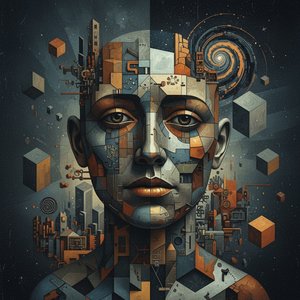
Deconstructing Reality: Cubist Expressionism's Aesthetic & Philosophical Foundations
Explore the profound aesthetic & philosophical foundations of Cubist Expressionism. Discover key artists, movements, and lasting influence on modern art history. A guide for discerning collectors.
Podobné diela


