

- 240.0 x 320.0cm


 Podgląd w skali 1:1

 Wyślij jako kartkę
 Udostępnij
 Szczegóły dzieła
 Przewodnik


 Pobierz obraz
 Podobne obiekty
 RTG
 Pokaz slajdów
 Pytania i odpowiedzi
 Statystyki
Przyjrzyj się bliżej
Każdy detal, faithfully printed
Three spots of the painting, enlarged. Our giclée printing keeps each of them, at the size you choose.
i.
Serce sceny.
ii.
Światło i tło
iii.
Sposób prowadzenia pędzla.
Obraz
Biografia artysty
A Baroque painter known for his portraits and genre scenes. Discover the captivating works of Simon Peter Tilemann today.
 Rozwiń treść

Simon Peter Tilemann
1601 - 1668, Germany
Artysta malarz
Biografia artysty
Early Life, Family and Training
Born in the town of Lemgo, Germany, on 23 July 1601, Simon Peter Tilemann entered a world where art was a matter of lineage and labor. He was the son of Johann Tilemann, a man who held the position of bailiff to Count Simon VI at Lippe and practiced the art of painting. This familial connection ensured that the boy’s path was shaped by the brush and the pigment from his earliest years. The household was one of movement and shifting fortunes, as his father had often traveled to the Netherlands to serve as an art agent.
Tragedy struck the family in 1614 when the mother of the children passed away. Following this loss, Johann moved his five children to the city of Bremen, a place where he had acquired citizenship some years prior. It was within the walls of this new home that Simon Peter Tilemann began his formal education in the visual arts. Under the watchful eye and steady hand of his father, he learned the discipline required of a painter, drawer, and printmaker. His training was thorough, rooted in the traditions passed down through his bloodline.
In those formative years in Bremen, his hands first learned the delicate art of painting flowers. This early focus on the natural world provided the foundation for his developing skill. He did not merely observe the blossoms; he learned to capture their essence through the careful application of color and form. This apprenticeship under his father prepared him for the many years of travel and diverse subjects that would eventually define his career.
Life and Work in Bremen and Vienna
After his formative years and travels through the Rhineland and Italy, Tilemann found himself establishing a life within the bustling atmosphere of Bremen. It was here that he entered into marriage with Clara Glandorp, a union that was settled before the 23rd of August in 1632. This period of his life was marked by the settling of his domestic affairs as he navigated the complexities of a professional career in the Northern Netherlands and beyond. However, the hand of fate is often unpredictable, and following the passing of Clara in 1645, he sought companionship once more. By the 23rd of February 1647, he had married Barbara de Herlin, continuing his life amidst the shifting tides of the mid-seventeenth century.
His reputation as a painter of significant skill eventually carried him toward the imperial courts. While his presence in various cities like Utrecht and Kassel shaped his development, it was in Vienna that his talent met the highest levels of patronage. It is said that during his time in the Austrian capital, he had the distinction of painting a portrait of Emperor Ferdinand III. Such an encounter speaks to the respect his hand commanded among the nobility. Whether his final days were spent in the familiar streets of Bremen or within the grandeur of Vienna remains a matter of some debate, though he departed this life in 1668.
Artistic Style and Notable Works
The hand of Simon Peter Tilemann found its greatest expression in the faces of men and the quiet drama of everyday life. While he possessed the skill to capture the stillness of flowers, his true reputation rested upon his portraits and genre scenes. During his time in Italy, the influence of the Caravaggist movement left its mark upon his style, shaping how he approached subject matter and light. This period of travel helped refine his ability to render the human form and the complexities of social interaction, moving him beyond the simple floral studies of his youth.
Beyond the intimate scale of a portrait or a domestic scene, he turned his attention to the grander narratives of history. He sought to capture movement and the weight of significant events through his brush, demonstrating a versatility that extended into the realm of still life. His compositions often sought to balance the quietude of a single object with the chaotic energy of a larger event. This range allowed him to navigate the different demands of the courts and the private collections of his era.
His ambition is visible in works that sought to depict the scale of antiquity and the fervor of conflict. In A Roman Triumphal Parade, he attempted to recreate the splendor of a bygone era, while A Roman Battle shows his capacity for handling the tension of historical struggle. These works reveal a painter who was as comfortable with the grandiosity of a parade as he was with the subtle nuances of a private sitter's gaze.
Krótkie informacje o Simon Peter Tilemann
- Artistic Movement Or Style: Baroque, Caravaggist
- Artists Who Influenced This Artist: ['Caravaggist movement']
- Full Name: Simon Peter Tilemann
- Nationality: German
- Notable Artworks:
- A Roman Triumphal Parade
- A Roman Battle
- Portrait of Ferdinand III
- Place Of Birth: Lemgo, Germany
- Date Of Birth: 1601
- Date Of Death: 1668
Giclée / Wydruk artystyczny
Have it printed dla Ciebie
Giclée / Wydruk artystyczny
Wydruki giclée lub płótna o jakości muzealnej, szybka realizacja i szeroki wybór opcji wykończenia. ( Zamów ręcznie malowaną reprodukcję Przejdź do wersji cyfrowej)

Twoja prowizja

A Roman Battle
Technika reprodukcji
Wymiary reprodukcji
-

Opcje oprawy reprodukcji
-
-
W przypadku dzieł sztuki lub reprodukcji, których którykolwiek z boków przekracza 105 cm (około 41 cali), rama zostanie wysłana w formie zestawu do samodzielnego montażu. Metoda ta zapewnia bezpieczną dostawę i zapobiega uszkodzeniom podczas transportu.
Wymagany profesjonalny montaż – nie jest to produkt typu DIY.
Zestaw musi zostać złożony, a płótno naciągnięte przez doświadczonego profesjonalnego ramiarza, przy użyciu kleju do drewna (brak w zestawie), kleszczy do naciągania płótna oraz ścisków, które utrzymają krosna w równej pozycji podczas schnięcia kleju. Nieprawidłowy montaż lub nierównomierne napięcie płótna może trwale uszkodzić dzieło sztuki i nie podlega naszej gwarancji.
 W przypadku dzieł sztuki lub reprodukcji, których którykolwiek z boków przekracza 105 cm (około 41 cali), rama zostanie wysłana w formie zestawu do samodzielnego montażu. Metoda ta zapewnia bezpieczną dostawę i zapobiega uszkodzeniom podczas transportu.
W zestawie znajdują się wszystkie listwy z litego drewna, precyzyjnie docięte do wymiarów.
Montaż odbywa się przy użyciu dołączonych wkrętów oraz kleju do drewna do łączenia narożników, którego zestaw nie zawiera i który musi zostać dostarczony przez ramiarza.
Wymagane są profesjonalne narzędzia, których nie ma w zestawie: kleszcze do naciągania płótna (napinacz) oraz zaciski, które pozwolą utrzymać listwy w równej pozycji podczas schnięcia kleju.
Ważne:
Do połączenia narożników niezbędny jest klej do drewna, listwy należy unieruchomić za pomocą ścisków do momentu całkowitego wyschnięcia kleju, a naciągnięcie płótna na złożoną ramę wymaga użycia kleszczy do naciągania płótna. Żaden z tych elementów nie jest dołączony do zestawu. Przed zamówieniem tego rozmiaru zalecamy konsultację z doświadczonym ramiarzem.

Etykieta obiektu
-
-

Lakier ochronny
Lakier z połyskiem (pogłębia kolory, chroni przed światłem i wilgocią)
-

Ekspresowa
Dostawa na cały świat () w ciągu 2 tygodni zamiast standardowych 4/5 tygodni. (21 Listopad)
-
Przesyłka ekspresowa
Dostawa na cały świat () w ciągu 4-5 tygodni. (28 Listopad).
W cenie
Cena całkowita
zł 243
Opcja ze szkłem jest dostępna wyłącznie w rozmiarach poniżej 110 cm
i.
Skala
Oryginalny wymiar to 240.0 x 320.0cm. Dopasuj do swojej ściany: każdy rozmiar zachowuje swoje proporcje.
Wybierz spośród naszych standardowych rozmiarów, które zachowują oryginalne proporcje dzieła sztuki.

Wpisz wymaganą szerokość i wysokość, aby dopasować grafikę do ramy lub ściany. Wydruk można jedynie przyciąć, nigdy nie powiększając go poza oryginalny obraz, dlatego format o innych proporcjach spowoduje utratę części kompozycji. Przed rozpoczęciem druku prześlemy Ci cyfrowy podgląd do zatwierdzenia. Obraz wyświetlany na tej stronie nie pokazuje rzeczywistego przycięcia — jedynie podgląd oddaje ten efekt.
ii.
Rama
Obramowanie jest naniesione na obraz w jego rzeczywistej szerokości.
W oprawie

Białe krawędzie zł1

rozmyte krawędzie zł1

Przedłużony zł1

P118B zł10

P118H zł10

P118W zł10

P438Z zł10

P508JH zł12

P508YH zł12

P805H zł10

P805Z zł10

P919BZ zł10

P919G zł10

P919XJ zł10

P959ZH zł10

P968JZ zł12

W106C zł8

W218G zł10

W218JH zł8

W218Y zł10

W307PJ zł10

W316G zł10

W316PJ zł8

W316Y zł10

W398PJ zł8

W4111J zł10

W500HY zł15

W500JH zł15

W692G zł12

W849H zł8

W940BG zł15

W953PJ zł8
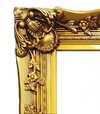
H24-GOLD zł30
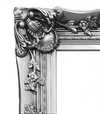
H24-SILVER zł30
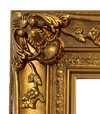
H36-GOLD zł45

H36-SILVER zł45
iii.
Technika i materiał
Canvas is printed with giclée inks and can be stretched or framed like a painting; paper comes flat, or framed behind glass.
Opcja ze szkłem jest dostępna wyłącznie w rozmiarach poniżej 110 cm
iv.
Wykończenie
Tabliczka znamionowa, werniks i dostawa.
Etykieta obiektu
Szczegóły grawerowanej brązowej tabliczki
This elegant plaque features the artist's name and the title of the artwork, finely engraved for a timeless presentation.
It is made from bronze with a refined, elegant finish. The text is precisely laser-engraved for a sharp and permanent result. Measuring 9x2 cm, the plaque is compact yet easy to read. It's built to be durable and scratch-resistant, offering a professional, museum-quality look. Mounting is simple thanks to the included adhesive backing.
Szczegóły przezroczystej tabliczki akrylowej
The plaque includes essential engraved details such as the artist's name, the title of the artwork, the date it was created, the type of media used-like oil on canvas or watercolor-a brief description of the piece, and a QR code that links to the complete artwork information.
It is crafted from clear acrylic, offering a sleek, modern appearance. The text is UV-engraved in black to ensure strong visual contrast. With a size of 10x15 cm, it ensures optimal readability. It comes equipped with two metal hooks for secure wall mounting. The plaque is designed to be weather-resistant, making it suitable for various environments, and it includes interactive features that work seamlessly with smartphone scanning.
Szczegóły czarnej tabliczki akrylowej
This elegant plaque includes engraved information such as the artist's name, the title of the artwork, the date it was created, the type of media used (like oil on canvas or watercolor), a short description of the artwork, and a QR code for quick access to more information.
The plaque itself is made from refined black acrylic with a premium finish. The text is laser-engraved in white for high contrast and readability. Its size is 10x15 cm, designed to be easy to read. It comes with two metal hooks for professional mounting. The design is sleek and fits any interior style. It is also weather-resistant and durable, with built-in digital integration for mobile compatibility.
Lakier ochronny
Produkcja ekspresowa
Dostawa na cały świat () w ciągu 2 tygodni zamiast standardowych 4/5 tygodni. (21 Listopad)
- Bezpłatna ekspresowa wysyłka na cały świat
- Wysokiej jakości płótno lniane
- Pełne ubezpieczenie przesyłki
- Gwarancja zwrotu należności celnych i podatków importowych
- Gwarancja wiernego odwzorowania kolorów
- 100-dniowa polityka zwrotów (tylko w przypadku wad)
- Gwarancja 100% zwrotu pieniędzy
- Zniżka przy zakupie wielu sztuk


Szybkie fakty i quiz o sztuce
Podobne dzieła


