

- 40.0 x 34.0 cm


 Podgląd w skali 1:1

 Wyślij jako kartkę
 Udostępnij
 Szczegóły dzieła
 Przewodnik


 Pobierz obraz
 Podobne obiekty
 RTG
 Pokaz slajdów
 Pytania i odpowiedzi
 Statystyki
Przyjrzyj się bliżej
Każdy detal, ręcznie malowane
Trzy fragmenty obrazu, powiększone. Nasi artyści ręcznie odtwarzają każdy z nich w wybranym przez Ciebie rozmiarze.
i.
Serce sceny.
ii.
Światło i tło
iii.
Sposób prowadzenia pędzla.
Obraz
Opis obiektu
Explore Ad Reinhardt's 1940 abstract collage featuring muted geometric forms; discover this seminal piece of early modern art for your collection.
 Rozwiń treść
Biografia artysty
Ad Reinhardt (1913-1967) – amerykański malarz znany z minimalistycznych obrazów w kolorze czarnym i filozofią "Sztuka dla sztuki". Jego prace wywarły ogromny wpływ na minimalizm, konceptualizm i współczesne rozumienie sztuki.
The Architecture of Abstraction: Ad Reinhardt's "Collage"
To stand before Ad Reinhardt’s Collage from 1940 is to encounter an intellectual puzzle rendered in paper and pigment. This work does not whisper; it asserts a complex, almost architectural dialogue with the viewer. It is a composition that refuses singular focus, instead inviting the eye on a meandering journey across its surface. Reinhardt masterfully employs the collage technique—the careful assemblage of disparate elements—to build an environment where structure and apparent chaos coexist in delicate tension. The overall impression is one of profound meditation, a visual field built from overlapping planes that suggest depth without ever committing to illusionistic space.
A Study in Muted Geometry
The formal language of Collage is dominated by the rectangle. These geometric forms, varying wildly in size and orientation, are layered one upon another like strata of memory or geological time. The palette itself speaks volumes about its era and its intent: it is restrained, earthy, and deeply considered. Browns, grays, beiges, and blacks form a somber foundation, occasionally punctuated by whispers of muted pink, blue, or orange. These colors are not meant to dazzle; rather, they absorb the light, encouraging the viewer to look closer, to discern the subtle shifts in tone where one piece meets another. The lines defining these shapes are sharp, unwavering vectors that impose a grid-like order over what might otherwise dissolve into pure randomness.
Historical Resonance and Intellectual Depth
Created at a pivotal moment in art history, this piece sits at the fascinating intersection of early abstraction and the burgeoning modernist impulse. While it shares some visual vocabulary with Abstract Expressionism, its cool, calculated arrangement distinguishes it. Reinhardt was always concerned with defining the very essence of painting—what could remain when all narrative and representation were stripped away? This collage is a testament to that rigorous inquiry. It suggests an art that is self-referential, focusing not on depicting the world outside, but on exploring the possibilities inherent within the medium itself. For the collector or designer, this piece offers a sophisticated anchor of intellectual weight for any space.
Symbolism and Emotional Echoes
What does such an arrangement of non-objective shapes evoke? One might interpret the fragmentation as a reflection of modern life—a sense of being composed of many disparate, yet necessary, parts. The quietude emanating from the muted tones can settle over a room, bringing a sense of contemplative calm or even poignant melancholy. It is art that demands patience; it rewards the viewer who slows their breath and allows their gaze to wander without expectation. Owning a reproduction of Collage is not merely acquiring decoration; it is curating an atmosphere of thoughtful engagement.
Pytania i odpowiedzi
Jaki układ ma „Collage” – Ad Reinhardt?
Format dzieła „Collage” to Portrait. Jest to pomocna informacja podczas planowania miejsca, w którym zostanie umieszczona reprodukcja.
Kiedy i z jakich materiałów wykonano "Collage"?
"Collage" powstało w 1940 roku przy użyciu techniki Collage. Materiał i data opisują, w jaki sposób oraz kiedy wykonano oryginał.
Jakie zastosowanie i przestrzeń są zalecane dla „Collage” – Ad Reinhardt?
Zalecane zastosowanie (Accent) oraz przestrzeń (Living Room) to dwie rekomendacje dla dzieła „Collage” – Ad Reinhardt.
Ten utwór podlega ochronie prawem autorskim
Dzieło sztuki prezentowane na tej stronie podlega ochronie prawem autorskim, co oznacza, że nie mamy prawa do tworzenia ani sprzedaży jego identycznej reprodukcji. Ochrona ta jest egzekwowana na mocy umów międzynarodowych, takich jak Konwencja berneńska oraz przez przepisy prawa krajowego, w tym te określone w Prawo autorskie USA – Tytuł 17.
Jako pełną szacunku i legalną alternatywę oferujemy personalizowane, malowane ręcznie dzieła sztuki inspirowane oryginałem. Nasi wykwalifikowani i profesjonalni artyści starannie analizują styl, nastrój oraz artystyczną esencję pierwowzoru, aby stworzyć nowe, unikalne dzieło, które przywołuje te same emocje – pozostając jednocześnie w pełni oryginalną kreacją.
Metoda ta jest w pełni zgodna z przepisami prawa autorskiego, ponieważ nie polega na kopiowaniu ani powielaniu chronionego dzieła. Stanowi ona kreatywną reinterpretację – nowy obraz, który czerpie inspirację z oryginału, ale nie jest z nim tożsamy.

Ad Reinhardt
1913 - 1967, Stany Zjednoczone
Artysta malarz
Biografia artysty
A Life Dedicated to the Essence of Art
Ad Reinhardt, born Adolph Friedrich Reinhardt in Buffalo, New York, on December 24, 1913, was a figure who dedicated his life not merely to creating art, but to defining what art *could* be. His early years were marked by a familial mobility—his father’s work led the family to New York City—and a close bond with his cousin Otto. Even as a child, Reinhardt displayed an exceptional talent for drawing and painting, winning accolades in school that hinted at the rigorous artistic journey ahead. He wasn't simply interested in *making* images; he was driven by a need to understand the very foundations of visual expression. This intellectual curiosity led him to Columbia University where he studied art history under the influential Meyer Schapiro, an experience that profoundly shaped his thinking about aesthetics and the role of the artist. Further training at Columbia’s Teachers College, the American Artists School with Carl Holty and Francis Criss, and portraiture studies at the National Academy of Design under Karl Anderson solidified his technical skills—skills he would later deliberately attempt to transcend. Reinhardt believed he had mastered traditional techniques early on, freeing him to pursue a more conceptual path.From Geometric Beginnings to the “Ultimate” Black
Reinhardt’s artistic evolution was far from linear. He began with works rooted in geometric abstraction, exploring form and color with a precision that demonstrated his technical mastery. However, this early work served as a stepping stone toward something more radical. His involvement with the WPA Federal Art Project during the 1930s provided him with crucial support and exposure, allowing him to hone his craft while contributing to public art initiatives. The 1940s saw Reinhardt become an active member of American Abstract Artists (AAA), a group he considered pivotal to his development. He found kinship with fellow artists who shared a commitment to non-representational art, exhibiting regularly alongside them and engaging in lively debates about the future of painting. His association with Betty Parsons Gallery further cemented his place within the burgeoning New York art scene. Throughout the 1950s, Reinhardt embarked on a series of paintings exploring subtle variations within single hues—all red, all blue, all white—a deliberate reduction that foreshadowed his most iconic works. It was in the 1960s, however, that he achieved what many consider his defining achievement: the “black” paintings. These weren’t simply black canvases; they were meticulously crafted explorations of near-black shades, subtle gradations and textures designed to challenge perception and push the boundaries of painting itself. He referred to them as his "ultimate" paintings, suggesting a culmination of artistic endeavor—a point beyond which further progress was impossible.Art-as-Art: A Philosophy of Pure Aestheticism
Central to understanding Reinhardt’s work is his philosophy of *Art-as-Art*. He vehemently believed in the autonomy of art, rejecting any notion that it should serve political, social, or narrative purposes. For Reinhardt, the value of a painting lay solely in its aesthetic qualities—its form, color, composition, and the way it engaged with the viewer on a purely visual level. This conviction led him to critique what he saw as problematic tendencies within the art world, particularly artists who prioritized messaging over aesthetics. He expressed these critiques through satirical cartoons and writings, often challenging prevailing artistic norms with wit and intellectual rigor. His friendships with Robert Lax and Thomas Merton, both of whom explored themes of simplicity in their respective fields, further informed his aesthetic principles. Reinhardt’s work resonated with a growing interest in minimalism and conceptual art, influencing artists who sought to strip away extraneous elements and focus on the essential qualities of their medium. He wasn't merely creating paintings; he was articulating a theoretical position about the nature of art itself.A Lasting Legacy: Minimalism, Conceptualism, and Beyond
Ad Reinhardt’s influence extends far beyond his own body of work. His “black” paintings are now recognized as seminal contributions to minimalist and monochrome painting, challenging conventional notions of representation and pushing the boundaries of visual perception. His writings on *Art-as-Art* continue to be studied by artists and critics alike, sparking debate about the role of art in society and the relationship between form and content. Though he was a key figure within Abstract Expressionism through his association with AAA and Betty Parsons Gallery, Reinhardt ultimately transcended categorization, paving the way for subsequent generations of conceptual and minimalist artists. He taught at numerous institutions—Brooklyn College, California School of Fine Arts, University of Wyoming, Yale University, and Hunter College—imparting his rigorous intellectual approach to aspiring artists. Even his involvement in protests – against MoMA in the 1940s, with “The Irascibles” against the Metropolitan Museum of Art in the 1950s, and through a lithograph for Artists and Writers Protest Against the Vietnam War in 1967—demonstrated a commitment to artistic freedom and social responsibility. Ad Reinhardt died on August 30, 1967, in New York City, leaving behind a legacy that continues to inspire and provoke. His work remains a powerful testament to the enduring power of abstract art and the importance of questioning fundamental assumptions about the nature of creativity itself. The Ad Reinhardt Estate is currently represented by David Zwirner Gallery, ensuring his continued presence within the contemporary art world.Useful Links
- Django Reinhardt: https://pl.wikipedia.org/wiki/Django_Reinhardt (Polish Wikipedia page about Django Reinhardt, a Romani jazz guitarist)
- Reinhardt: https://pl.wikipedia.org/wiki/Reinhardt (Polish Wikipedia page about the general family name Reinhardt)
- Einsatz Reinhardt: https://pl.wikipedia.org/wiki/Einsatz_Reinhardt (Polish Wikipedia page about the Nazi Aktion Reinhardt, a mass murder operation)
- Ad Reinhardt: https://pl.wikipedia.org/wiki/Ad_Reinhardt (Polish Wikipedia page about Ad Reinhardt)
- Ad Reinhardt | Smithsonian American Art Museum: https://americanart.si.edu/artist/ad-reinhardt-3993 (Smithsonian American Art Museum page)
Krótkie informacje o Ad Reinhardt
- Artistic Movement Or Style: Ekspresjonizm Abstrakcyjny
- Artists Or Movements Influenced By This Artist:
- Conceptual Art
- Minimalizm
- Monochromatyzm
- Artists Who Influenced This Artist:
- Meyer Schapiro
- Robert Lax
- Thomas Merton
- Date Of Birth: 24 grudnia 1913
- Date Of Death: 30 sierpnia 1967
- Full Name: Adolph Friedrich Reinhardt
- Nationality: Amerykański
- Notable Artworks:
- Untitled
- Red and Gray
- Number - (107)
- Place Of Birth: Buffalo, USA
Ręcznie malowana reprodukcja olejowa
Zamów obraz na zamówienie dla Ciebie
Ręcznie malowana reprodukcja olejowa
Ręcznie malowany obraz olejny na płótnie, wykonany na zamówienie przez naszych artystów w wybranym przez Ciebie wymiarze i oprawie. ( Przełącz na wydania drukowane Przejdź do wersji cyfrowej)

Twoja prowizja

Collage
Technika reprodukcji
Wymiary reprodukcji
-

Wybitny mistrz artystyczny
Większa szczegółowość, finezja i dodatkowy czas na realizację
-

Opcje oprawy reprodukcji
-
-
W przypadku dzieł sztuki lub reprodukcji, których którykolwiek z boków przekracza 105 cm (około 41 cali), rama zostanie wysłana w formie zestawu do samodzielnego montażu. Metoda ta zapewnia bezpieczną dostawę i zapobiega uszkodzeniom podczas transportu.
Wymagany profesjonalny montaż – nie jest to produkt typu DIY.
Zestaw musi zostać złożony, a płótno naciągnięte przez doświadczonego profesjonalnego ramiarza, przy użyciu kleju do drewna (brak w zestawie), kleszczy do naciągania płótna oraz ścisków, które utrzymają krosna w równej pozycji podczas schnięcia kleju. Nieprawidłowy montaż lub nierównomierne napięcie płótna może trwale uszkodzić dzieło sztuki i nie podlega naszej gwarancji.
 W przypadku dzieł sztuki lub reprodukcji, których którykolwiek z boków przekracza 105 cm (około 41 cali), rama zostanie wysłana w formie zestawu do samodzielnego montażu. Metoda ta zapewnia bezpieczną dostawę i zapobiega uszkodzeniom podczas transportu.
W zestawie znajdują się wszystkie listwy z litego drewna, precyzyjnie docięte do wymiarów.
Montaż odbywa się przy użyciu dołączonych wkrętów oraz kleju do drewna do łączenia narożników, którego zestaw nie zawiera i który musi zostać dostarczony przez ramiarza.
Wymagane są profesjonalne narzędzia, których nie ma w zestawie: kleszcze do naciągania płótna (napinacz) oraz zaciski, które pozwolą utrzymać listwy w równej pozycji podczas schnięcia kleju.
Ważne:
Do połączenia narożników niezbędny jest klej do drewna, listwy należy unieruchomić za pomocą ścisków do momentu całkowitego wyschnięcia kleju, a naciągnięcie płótna na złożoną ramę wymaga użycia kleszczy do naciągania płótna. Żaden z tych elementów nie jest dołączony do zestawu. Przed zamówieniem tego rozmiaru zalecamy konsultację z doświadczonym ramiarzem.

Etykieta obiektu
-
-

Lakier ochronny
Lakier z połyskiem (pogłębia kolory, chroni przed światłem i wilgocią)
-

Personalizacja dzieła
Przykłady możliwości personalizacji: zastąp twarz zdjęciem klienta; dodaj zwierzę domowe (np. zamień kota na psa); umieść ukrytą wiadomość w tle; zmień krajobraz lub elementy tła.
-

Ekspresowa
Dostawa na cały świat () w ciągu 3–4 tygodni zamiast standardowych 5 tygodni. (19 Listopad). Bez kompromisów w kwestii jakości.
-
Przesyłka ekspresowa
Dostawa na cały świat () w ciągu 5 tygodni. (26 Listopad).
W cenie
Cena całkowita
zł 1031
Opcja ze szkłem jest dostępna wyłącznie w rozmiarach poniżej 110 cm
i.
Skala
Oryginalny wymiar to 40.0 x 34.0 cm. Dopasuj do swojej ściany: każdy rozmiar zachowuje swoje proporcje.
Wybierz spośród naszych standardowych rozmiarów, które zachowują oryginalne proporcje dzieła sztuki.

Wpisz wymaganą szerokość i wysokość, aby obraz pasował do Twojej ramy lub ściany. Ponieważ jest to dzieło malowane ręcznie, w przypadku rozmiaru o innych proporcjach artysta może domalować nieco więcej wokół obrazu lub przyciąć jego fragmenty — wybór należy do Ciebie. Przed rozpoczęciem pracy prześlemy Ci cyfrową wizualizację do zatwierdzenia. Obraz widoczny na tej stronie nie przedstawia rzeczywistego efektu — jedynie wizualizacja oddaje realny rezultat.
ii.
Rama
Obramowanie jest naniesione na obraz w jego rzeczywistej szerokości.
W oprawie

Białe krawędzie zł1

rozmyte krawędzie zł1

Przedłużony zł1

P118B zł10

P118H zł10

P118W zł10

P438Z zł10

P508JH zł12

P508YH zł12

P805H zł10

P805Z zł10

P919BZ zł10

P919G zł10

P919XJ zł10

P959ZH zł10

P968JZ zł12

W106C zł8

W218G zł10

W218JH zł8

W218Y zł10

W307PJ zł10

W316G zł10

W316PJ zł8

W316Y zł10

W398PJ zł8

W4111J zł10

W500HY zł15

W500JH zł15

W692G zł12

W849H zł8

W940BG zł15

W953PJ zł8
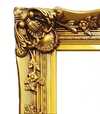
H24-GOLD zł30
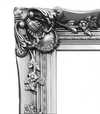
H24-SILVER zł30
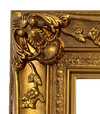
H36-GOLD zł45
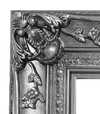
H36-SILVER zł45
iii.
Niech stanie się Twoja
Obraz wykonany ręcznie może zostać stworzony na indywidualne zamówienie.
Po złożeniu zamówienia zespół WikiOO.org skontaktuje się z klientem drogą mailową w celu uzyskania instrukcji i prześle podgląd projektu
iv.
Wykończenie
Tabliczka znamionowa, werniks i dostawa.
Etykieta obiektu
Szczegóły grawerowanej brązowej tabliczki
This elegant plaque features the artist's name and the title of the artwork, finely engraved for a timeless presentation.
It is made from bronze with a refined, elegant finish. The text is precisely laser-engraved for a sharp and permanent result. Measuring 9x2 cm, the plaque is compact yet easy to read. It's built to be durable and scratch-resistant, offering a professional, museum-quality look. Mounting is simple thanks to the included adhesive backing.
Szczegóły przezroczystej tabliczki akrylowej
The plaque includes essential engraved details such as the artist's name, the title of the artwork, the date it was created, the type of media used-like oil on canvas or watercolor-a brief description of the piece, and a QR code that links to the complete artwork information.
It is crafted from clear acrylic, offering a sleek, modern appearance. The text is UV-engraved in black to ensure strong visual contrast. With a size of 10x15 cm, it ensures optimal readability. It comes equipped with two metal hooks for secure wall mounting. The plaque is designed to be weather-resistant, making it suitable for various environments, and it includes interactive features that work seamlessly with smartphone scanning.
Szczegóły czarnej tabliczki akrylowej
This elegant plaque includes engraved information such as the artist's name, the title of the artwork, the date it was created, the type of media used (like oil on canvas or watercolor), a short description of the artwork, and a QR code for quick access to more information.
The plaque itself is made from refined black acrylic with a premium finish. The text is laser-engraved in white for high contrast and readability. Its size is 10x15 cm, designed to be easy to read. It comes with two metal hooks for professional mounting. The design is sleek and fits any interior style. It is also weather-resistant and durable, with built-in digital integration for mobile compatibility.
Lakier ochronny
Produkcja ekspresowa
Dostawa na całym świecie () w ciągu 3–4 tygodni zamiast standardowych 5 tygodni. (19 Listopad). Bez kompromisów w kwestii jakości.
- Bezpłatna ekspresowa wysyłka na cały świat
- Wysokiej jakości płótno lniane
- Pełne ubezpieczenie przesyłki
- Gwarancja zwrotu należności celnych i podatków importowych
- Gwarancja wiernego odwzorowania kolorów
- 100-dniowa polityka zwrotów (tylko w przypadku wad)
- Gwarancja 100% zwrotu pieniędzy
- Zniżka przy zakupie wielu sztuk


Szybkie fakty i quiz o sztuce
Powiązane artykuły

The Art of Collage: Layering Texture, Memory, and Meaning in Modern Masterpieces
Explore the profound beauty of collage and mixed media. From Cubist origins to modern textures, discover how layering materials creates depth, memory, and meaning in fine art. A sophisticated guide for the discerning collector seeking mastery in every layer.

Dekonstrukcja Rzeczywistości: Rewolucyjny Wpływ Kubizmu na Sztukę XX Wieku
Odkryj rewolucyjny wpływ kubizmu na sztukę XX wieku! Analiza dzieł Picassa i Braque’a, historia nurtu, techniki oraz dziedzictwo. Ekspercka wiedza dla kolekcjonerów i miłośników sztuki.

The Collector’s Eye: A Masterclass in Curating Cohesive Abstract Art Collections
Master the art of curation with our expert guide on building a cohesive abstract art collection. Explore professional techniques in color theory, texture, and composition to transform your space with museum-quality masterpieces and timeless visual harmony.

The Treachery of Images: Decoding René Magritte’s Surrealist Philosophy and the Paradox of Representation
Explore the profound mystery of René Magritte’s 'The Treachery of Images.' Dive into an expert analysis of his Surrealist philosophy, the paradox of representation, and how he challenged reality through the interplay of language and visual perception.
Podobne dzieła


