

 Podgląd w skali 1:1
 Wyślij jako kartkę
 Udostępnij
 Szczegóły dzieła
 Przewodnik

 Pobierz obraz
 Podobne obiekty
 RTG
RTG Pokaz slajdów
 Q&A
Q&A Statystyki
King David


 Rozwiń treść
Giclée / Wydruk artystyczny
Wydruki giclée lub płótna o jakości muzealnej, szybka realizacja i szeroki wybór opcji wykończenia. ( Zamów ręcznie malowaną reprodukcję Przejdź do wersji cyfrowej)




P118B zł10

P118H zł10

P118W zł10

P438Z zł10

P508JH zł12

P508YH zł12

P805H zł10

P805Z zł10

P919BZ zł10

P919G zł10

P919XJ zł10

P959ZH zł10

P968JZ zł12

W106C zł8

W218G zł10

W218JH zł8

W218Y zł10

W307PJ zł10

W316G zł10

W316PJ zł8

W316Y zł10

W398PJ zł8

W4111J zł10

W500HY zł15

W500JH zł15

W692G zł12

W849H zł8

W940BG zł15

W953PJ zł8




Wybierz spośród naszych standardowych rozmiarów, które zachowują oryginalne proporcje dzieła sztuki.

Wpisz wymaganą szerokość i wysokość, aby dopasować grafikę do ramy lub ściany. Wydruk można jedynie przyciąć, nigdy nie powiększając go poza oryginalny obraz, dlatego format o innych proporcjach spowoduje utratę części kompozycji. Przed rozpoczęciem druku prześlemy Ci cyfrowy podgląd do zatwierdzenia. Obraz wyświetlany na tej stronie nie pokazuje rzeczywistego przycięcia — jedynie podgląd oddaje ten efekt.
Dostawa na cały świat () w ciągu 2 tygodni zamiast standardowych 4/5 tygodni. (30 Październik)

Bezpłatna ekspresowa wysyłka na cały świat

Wysokiej jakości płótno lniane

Pełne ubezpieczenie przesyłki

Gwarancja zwrotu należności celnych i podatków importowych

Gwarancja wiernego odwzorowania kolorów

100-dniowa polityka zwrotów (tylko w przypadku wad)

Gwarancja 100% zwrotu pieniędzy

Zniżka przy zakupie wielu sztuk
 Opcja ze szkłem jest dostępna wyłącznie w rozmiarach poniżej 110 cm

King David
Giclée / Wydruk artystyczny
Wymiary reprodukcji
-


Cena całkowita
zł 237
Podobne dzieła


Biografia artysty
The Sculptural Grace of André Beauneveu
In the twilight of the fourteenth century, a period defined by the transition from the rigid structures of the High Middle Ages to the burgeoning naturalism of the Early Netherlandish tradition, the name André Beauneveu emerges as a beacon of artistic innovation. Born around 1335 in Valenciennes, within the County of Hainaut, Beauneveu was far more than a mere craftsman; he was a pioneer who bridged the gap between the stylized Gothic past and a future defined by tactile reality. His artistry, which spanned both the delicate medium of illumination and the monumental permanence of sculpture, possessed a unique sculptural quality that breathed life into flat surfaces and gave weight to stone.
The historical record of Beaunever's life is as fragmented as the medieval tapestries he might have inspired, yet the echoes of his presence are found in the most prestigious royal archives of France. His early career is marked by a notable appearance in the accounts of Duchess Yolande de Bar in 1359, where he was commissioned to decorate a chapel at Nieppe Castle. This early exposure to high-status patronage set the stage for his ascent within the French court. By 1364, he had become an integral part of the expansive artistic workshop of King Charles V in Paris. It was under this royal aegis that Beauneveu began to refine a style characterized by a subtle naturalism, often associated with the so-called Pucellian revival, which sought to infuse religious and secular subjects with a newfound human presence.
A Legacy of Royal Patronage and Artistic Mastery
The true zenith of Beauneveu’s career was reached through his profound connection to the Valois dukes, most notably Jean de Berry. In 1386, Beaunever accepted the prestigious role of superintendent of all painting and sculpture for the Duke, a position that placed him at the heart of one of Europe's most vibrant cultural epicenters. This era of his life was defined by immense productivity and the creation of works that served as both spiritual devotion and political propaganda. His ability to navigate various media allowed him to leave an indelible mark on the visual landscape of the French monarchy.
His technical achievements are best observed in the following areas:
- Illuminated Manuscripts: In works such as the Psalter of Jean de Berry and his depictions of figures like King David, Beauneveu demonstrated an extraordinary ability to use light and shadow to create a sense of three-dimensional volume on parchment.
- Funerary Sculpture: His mastery of stone is evidenced by the royal tombs at St. Denis, where his effigies captured the dignity and physical presence of the deceased with a precision that foreshadowed the realism of the Northern Renaissance.
- The Sculptural Style: Even in his paintings, there is a palpable sense of weight and form, as if every figure were carved from marble rather than brushed with pigment.
Beyond the physical works, Beauneveu’s historical significance lies in his role as a stylistic conduit. While contemporary chroniclers like Jean Froissart hinted at potential travels to England—suggesting a possible collaboration with artists like Jean de Liege—Beauneveu's primary impact remained rooted in the French and Low Countries territories. He helped cultivate an aesthetic that moved away from the abstract toward the observational, laying the groundwork for the great masters of the 15th century. Though he passed away around 1403, his ability to marry the spiritual grandeur of the Gothic era with a burgeoning interest in the natural world ensures his place as a foundational figure in the evolution of Western art.

André Beauneveu
1335 - 1403 , France
Krótka nota
- Full Name: André Beauneveu
- Nationality: Netherlandish
- Date Of Birth: 1335
- Date Of Death: 1403
- Place Of Birth: Valenciennes, France
- Notable Artworks:
- Psalter of Jean de Berry
- Royal tombs at St Denis
- Artistic Movement Or Style: Pucellian revival
Powiązane artykuły

High Medieval Art: 10 Masterpieces That Shaped an Era | WikiOO
Journey through High Medieval Art! Explore 10 iconic masterpieces – from Giotto's frescoes to stunning Gothic cathedrals. Discover the stories behind these timeless paintings, sculptures & illuminated manuscripts. Find museum-quality art reproductions at WikiOO.org.

The Magic of International Gothic: Elegance, Gold, and Courtly Splendor in Medieval Art
Discover the breathtaking elegance of International Gothic art. Explore a world of gilded manuscripts, courtly splendor, and the delicate transition from medieval symbolism to Renaissance naturalism through an expert art-historical lens.
International Gothic: The Elegant Dawn of European Art and the Mastery of Illuminated Manuscripts
Explore the exquisite elegance of International Gothic art. Discover the mastery of illuminated manuscripts, the brilliance of gold leaf, and the legacy of the Limbourg Brothers in this expert guide to Europe's sophisticated medieval dawn.
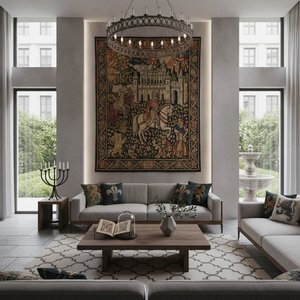
Timeless Elegance: How to Integrate High Medieval Art into Your Modern Interior Design
Discover how to infuse your modern home with the divine light of High Medieval art. From gilded illuminated manuscripts to Gothic-inspired textures, learn expert tips for integrating timeless elegance and historical grandeur into contemporary interior design.

Iluminacja Wiary i Władzy: Sztuka Średniowiecza (ok. 500–1500) – Podróż przez Romanizm i Bizantyzm
Odkryj fascynujący świat sztuki średniowiecza! Poznaj architekturę romańską, bizantyjskie mozaiki i polskie arcydzieła. Ekspercka analiza historii, symboliki i wpływu na kulturę europejską.
