

- 90.0 x 76.0 cm


 Podgląd w skali 1:1

 Wyślij jako kartkę
 Udostępnij
 Szczegóły dzieła
 Przewodnik


 Pobierz obraz
 Podobne obiekty
 RTG
 Pokaz slajdów
 Pytania i odpowiedzi
 Statystyki
Przyjrzyj się bliżej
Każdy detal, ręcznie malowane
Trzy fragmenty obrazu, powiększone. Nasi artyści ręcznie odtwarzają każdy z nich w wybranym przez Ciebie rozmiarze.
i.
Serce sceny.
ii.
Światło i tło
iii.
Sposób prowadzenia pędzla.
Obraz
Opis obiektu
This Renaissance portrait by Anthonis Mor captures the stern dignity of Sir Thomas Gresham. Own this masterpiece of Dutch realism today.
 Rozwiń treść
Biografia artysty
Anthonis Mor van Dashorst (1517-1577) to wybitny holenderski portrecista renesansu. Poznaj jego realistyczne dzieła, w tym portret Mary Tudor.
Identification of the Portrait of Sir Thomas Gresham
In this portrait, Anthonis Mor Van Dashorst captures the steady presence of Sir Thomas Gresham. The subject sits before us, a man whose influence once shaped the financial landscape of Europe. As the leading English merchant in Antwerp and the financial agent for the English king in the Low Countries, Gresham carries a weight of responsibility in his gaze. He is the man who founded the Royal Exchange and established Gresham College in London, leaving a legacy etched into the very foundations of commerce and education.
The artist, Anthonis Mor Van Dashorst, brings a meticulous eye to this likeness. Born in Utrecht, Netherlands, Mor possesses a way of rendering the individual that feels immediate and alive. This specific work dates to 1560, a moment when the sitter's social standing and professional gravity are palpable. The portrait does more than record a face; it presents a man of significant purpose, frozen in a moment of quiet, commanding authority.
Composition and Visual Details
The subject sits firmly within a chair that dominates the lower portion of the frame, anchoring the entire scene. He is dressed in a black suit, his presence marked by a stern expression and the grooming of a beard and mustache. A collar frames his face, catching the light against the dark fabric of his attire. He holds a posture of quiet authority, his gaze fixed and unyielding. The weight of his position is felt in the stillness of his seated form.
In the space surrounding him, life unfolds in layers. One figure stands directly behind him in the foreground, adding a sense of depth to the immediate circle of the subject. Further back and to the right, a second person occupies the scene, partially distanced from the central focus. This arrangement creates a structured, tiered environment that draws the eye through the social hierarchy of the room. The background reveals a brick wall and an open window, suggesting a connection to the world outside the immediate interior.
Materials and Physical Characteristics
The physical presence of this portrait is defined by its substantial scale, measuring 90 x 76 cm. Originally rendered as an oil on panel, the work carries the weight and texture of its primary medium. The artist’s brushwork captures the subtle shifts in light across the subject's features, a task made possible by the careful application of oil pigments. This specific piece is identified by the object number SK-A-3119.
Time has left its mark on the very substance of the work. While it began its life on a rigid wooden support, the painting has undergone a significant transformation. The original oil on panel was transferred to canvas, a process that alters the way the surface interacts with light and shadow. This transition from wood to fabric changes the tactile quality of the work, lending a different character to the way the colors settle upon the grain.
History and Provenance of the Artwork
The journey of this portrait through the centuries carries it through the hands of emperors and across shifting political borders. At one point in its long history, the painting resides within the private collection of Catherine the Great of Russia. It remains in these imperial circles until the political tides of the twentieth century shift the work's destiny once more. The Soviet Union holds the painting, eventually deciding to sell it to the Rijksmuseum in 1931 to secure foreign currency.
The physical life of the work has seen significant changes to ensure its survival. In 1872, the portrait undergoes a major transformation when the painting of Anne Fernely is transferred from its original panel onto canvas. This restoration marks a pivotal moment in how the work presents itself to the eye. The movement from wood to fabric alters the very substance of the piece, preserving the likeness of the merchant for future generations to witness.
Related Works by Anthonis Mor Van Dashorst
The visual narrative of this portrait finds its companion in the likeness of Anne Fernely, the wife of Gresham. As a pendant to this work, her portrait completes a shared history, capturing the presence of the woman who stood alongside the merchant. This connection links the two figures through a shared space and a shared life, creating a dual presence that speaks to their status and their union.
Mor’s brush also moved through the halls of power, capturing the regal bearing of Mary Tudor, Queen of England, in 1554. His ability to navigate the requirements of the court is evident in his service as a painter to the Spanish king. This high-level patronage allowed him to observe the nuances of nobility and the weight of authority that defined the sixteenth century.
In 1560, the artist turned his attention to Anne Fernel, the Wife of Sir Thomas Gresham. This portrait offers another window into the social fabric of the era, focusing on the character and dignity of the sitter. Through these various commissions, the artist’s hand moves between the private intimacy of a marriage and the public grandeur of royal courts.
Where to See the Artwork Today
The presence of Sir Thomas Gresham remains a constant within the halls of the Rijksmuseum in Amsterdam. Visitors find him held within this prestigious collection, where he resides as part of the museum's permanent holdings. He is identified by the object number SK-A-3119, a mark that traces his place within the museum's vast archives. To stand before him is to encounter a figure preserved through centuries of careful stewardship.
This portrait is kept in the Rijksmuseum, Amsterdam, where the quiet dignity of the subject is maintained for those who seek it. The painting exists as a physical part of the museum's curated environment, allowing the gaze of the viewer to meet the stern expression of the merchant. He remains a fixture of the Dutch institution, a silent inhabitant of the galleries in Amsterdam.
Pytania i odpowiedzi
Do którego etapu twórczości Antonis Mor należy dzieło „Sir Thomas Gresham”?
W dorobku artystycznym Antonis Mor dzieło „Sir Thomas Gresham” przypada na Mature Period. Ten etap pozwala zestawić je z innymi pracami twórcy.
Czy „Sir Thomas Gresham” – Antonis Mor to portret, pejzaż czy kompozycja kwadratowa?
Dzieło „Sir Thomas Gresham” – Antonis Mor ma format Portrait. Format ten określa proporcje kompozycji.
Jaki kolor dominuje w kompozycji „Sir Thomas Gresham” – Antonis Mor?
Dominującym kolorem dzieła „Sir Thomas Gresham” – Antonis Mor jest Phthalo Green (#2f1c19).

Antonis Mor
1519 - 1575, Holandia
Artysta malarz
Biografia artysty
Antonis Mor: Malarz Królewskiej Godności
Antonis Mor van Dashorst (1517-1577) zajmuje miejsce jako fundament niderlandzkiego portretu renesansowego, ucieleśniając drobiazgowy realizm i symboliczną głębię charakterystyczną dla jego epoki. Urodzony w Utrechcie, w Holandii, wywodził się z rodziny głęboko zakorzenionej w tradycji artystycznej – jego ojciec był rzeźbiarzem, co ustanowiło rodowód poświęcony wizualnej reprezentacji świata. Choć szczegóły biograficzne pozostają dość skąpe, niezwykle płodna twórczość Mora mówi wiele o jego talencie i niezłomnym dążeniu do uchwycenia samej esencji swoich podmiotów. Szybko zyskał sławę dzięki zdolności portretowania szlachty z niespotykaną dokładnością, co zaowocowało licznymi zamówieniami od wpływowych postaci z całej Europy.O formacyjnych latach Mora, poza jego wychowaniem w Utrechcie, wiemy niewiele. Niemniej jednak, studiując w Antwerpii pod okiem Pietera Bruegla Starszego, chłonął on mistrzowską obserwację natury ludzkiej i krajobrazu – wpływy te przeniknęły do własnej wizji artystycznej Mora. Okres spędzony w Antwerpii okazał się kluczowy dla jego artystycznego dojrzewania. Szlifował swoje umiejętności u boku takich artystów jak Quentin Massys czy Hendrik Golse, zanurzając się w tętniącym życiem środowisku artystycznym Republiki Flandryjskiej. To doświadczenie zaowocowało wyrafinowanym zrozumieniem perspektywy oraz techniki chiaroscuro – metod, które po mistrzowsku wykorzystywał, by rozświetlać swoje portrety dramatyczną grą światła i cienia.
Panowanie Mary Tudor: Arcydzieło Północnorenesansowego Portretu
Sława Mora wzrosła gwałtownie po ukończeniu portretu Mary Tudor, Królowej Anglii (1554). To monumentalne płótno stanowi szczytowe osiągnięcie jego artystycznego kunsztu. Wykonany z niezwykłą dbałością o szczegóły, obraz ten oddaje królewskie postawienie i wewnętrzny spokój Mary – jest to świadectwo zdolności Mora do przekazywania niuansów psychologicznych obok fizycznego podobieństwa. Kompozycja jest skrupulatnie zrównoważona, wykorzystująca strukturę piramidalną oraz subtelne fałdy draperii, aby podkreślić status i godność królowej. Co więcej, zastosowanie chiaroscuro tworzy urzekającą interakcję światła i mroku, która wyostrza rysy twarzy Mary i emanuje aurą uroczystego majestatu. Portret ten ugruntował reputację Mora jako jednego z najważniejszych portrecistów swoich czasów i pozostaje celebrowanym przykładem sztuki renesansu północnego.Mor korzystał w ogromnym stopniu z mecenatu królewskiego, otrzymując zamówienia od monarchów z całej Europy – w tym od Filipa II Hiszpańskiego. Te zobowiązania pozwoliły mu na realizację ambitnych projektów i dopracowanie własnego stylu, co umocniło jego dziedzictwo jako artysty dworskiego. Poza portretem Mary Tudor, Mor podejmował liczne zlecenia przedstawiające wybitnych mężów stanu, dyplomatów i arystokratów. Jego charakterystyczny styl – cechujący się drobiazgowym realizmem, mistrzowską perspektywą i ekspresyjnym światłocieniem – stał się natychmiast rozpoznawalny. Konsekwentnie przedkładał przekazywanie nie tylko wyglądu zewnętrznego, ale także charakteru i emocji, wynosząc swoje portrety ponad zwykłe podobizny w stronę głębokich wypowiedzi o ludzkiej godności.
Wpływ i Dziedzictwo
Wpływ Mora wykraczał daleko poza krąg jego bezpośrednich współczesnych. Jego skrupulatne podejście do portretu ustanowiło precedens dla kolejnych pokoleń artystów, inspirując ich do dążenia do większej dokładności i wglądu psychologicznego. Był rzecznikiem idei humanistycznych dominujących w renesansie, odzwierciedlając niezachwianą wiarę w moc sztuki zdolnej do oświetlania ludzkiego doświadczenia. Dziś obrazy Mor van Dashorst nadal zachwycają odbiorców na całym świecie, służąc jako trwałe przypomnienie o artystycznym geniuszu osiągniętym podczas Złotego Wieku Niderlandów – epoki zdefiniowanej przez innowację, ambicję i głębokie uwielbienie dla piękna.Krótkie informacje o Antonis Mor
- Artistic Movement Or Style: Portret renesansowy
- Artists Or Movements Influenced By This Artist: ['Barok']
- Artists Who Influenced This Artist:
- Jan van Eyck
- Rogier van der Weyden
- Date Of Birth: 1517
- Date Of Death: 1577
- Full Name: Anthonis Mor van Dashorst
- Nationality: Hollander
- Notable Artworks:
- Karzeł kardynała Granvelle'a
- Królowa Maria Tudor Anglii
- Margareta, księżna Parma
- Place Of Birth: Utrecht, Holandia
Ręcznie malowana reprodukcja olejowa
Zamów obraz na zamówienie dla Ciebie
Ręcznie malowana reprodukcja olejowa
Ręcznie malowany obraz olejny na płótnie, wykonany na zamówienie przez naszych artystów w wybranym przez Ciebie wymiarze i oprawie. ( Przełącz na wydania drukowane Przejdź do wersji cyfrowej)

Twoja prowizja

Sir Thomas Gresham
Technika reprodukcji
Wymiary reprodukcji
-

Wybitny mistrz artystyczny
Większa szczegółowość, finezja i dodatkowy czas na realizację
-

Opcje oprawy reprodukcji
-
-
W przypadku dzieł sztuki lub reprodukcji, których którykolwiek z boków przekracza 105 cm (około 41 cali), rama zostanie wysłana w formie zestawu do samodzielnego montażu. Metoda ta zapewnia bezpieczną dostawę i zapobiega uszkodzeniom podczas transportu.
Wymagany profesjonalny montaż – nie jest to produkt typu DIY.
Zestaw musi zostać złożony, a płótno naciągnięte przez doświadczonego profesjonalnego ramiarza, przy użyciu kleju do drewna (brak w zestawie), kleszczy do naciągania płótna oraz ścisków, które utrzymają krosna w równej pozycji podczas schnięcia kleju. Nieprawidłowy montaż lub nierównomierne napięcie płótna może trwale uszkodzić dzieło sztuki i nie podlega naszej gwarancji.
 W przypadku dzieł sztuki lub reprodukcji, których którykolwiek z boków przekracza 105 cm (około 41 cali), rama zostanie wysłana w formie zestawu do samodzielnego montażu. Metoda ta zapewnia bezpieczną dostawę i zapobiega uszkodzeniom podczas transportu.
W zestawie znajdują się wszystkie listwy z litego drewna, precyzyjnie docięte do wymiarów.
Montaż odbywa się przy użyciu dołączonych wkrętów oraz kleju do drewna do łączenia narożników, którego zestaw nie zawiera i który musi zostać dostarczony przez ramiarza.
Wymagane są profesjonalne narzędzia, których nie ma w zestawie: kleszcze do naciągania płótna (napinacz) oraz zaciski, które pozwolą utrzymać listwy w równej pozycji podczas schnięcia kleju.
Ważne:
Do połączenia narożników niezbędny jest klej do drewna, listwy należy unieruchomić za pomocą ścisków do momentu całkowitego wyschnięcia kleju, a naciągnięcie płótna na złożoną ramę wymaga użycia kleszczy do naciągania płótna. Żaden z tych elementów nie jest dołączony do zestawu. Przed zamówieniem tego rozmiaru zalecamy konsultację z doświadczonym ramiarzem.

Etykieta obiektu
-
-

Lakier ochronny
Lakier z połyskiem (pogłębia kolory, chroni przed światłem i wilgocią)
-

Personalizacja dzieła
Przykłady możliwości personalizacji: zastąp twarz zdjęciem klienta; dodaj zwierzę domowe (np. zamień kota na psa); umieść ukrytą wiadomość w tle; zmień krajobraz lub elementy tła.
-

Ekspresowa
Dostawa na cały świat () w ciągu 3–4 tygodni zamiast standardowych 5 tygodni. (20 Listopad). Bez kompromisów w kwestii jakości.
-
Przesyłka ekspresowa
Dostawa na cały świat () w ciągu 5 tygodni. (27 Listopad).
W cenie
Cena całkowita
zł 1029
Opcja ze szkłem jest dostępna wyłącznie w rozmiarach poniżej 110 cm
i.
Skala
Oryginalny wymiar to 90.0 x 76.0 cm. Dopasuj do swojej ściany: każdy rozmiar zachowuje swoje proporcje.
Wybierz spośród naszych standardowych rozmiarów, które zachowują oryginalne proporcje dzieła sztuki.

Wpisz wymaganą szerokość i wysokość, aby obraz pasował do Twojej ramy lub ściany. Ponieważ jest to dzieło malowane ręcznie, w przypadku rozmiaru o innych proporcjach artysta może domalować nieco więcej wokół obrazu lub przyciąć jego fragmenty — wybór należy do Ciebie. Przed rozpoczęciem pracy prześlemy Ci cyfrową wizualizację do zatwierdzenia. Obraz widoczny na tej stronie nie przedstawia rzeczywistego efektu — jedynie wizualizacja oddaje realny rezultat.
ii.
Rama
Obramowanie jest naniesione na obraz w jego rzeczywistej szerokości.
W oprawie

Białe krawędzie zł1

rozmyte krawędzie zł1

Przedłużony zł1

P118B zł10

P118H zł10

P118W zł10

P438Z zł10

P508JH zł12

P508YH zł12

P805H zł10

P805Z zł10

P919BZ zł10

P919G zł10

P919XJ zł10

P959ZH zł10

P968JZ zł12

W106C zł8

W218G zł10

W218JH zł8

W218Y zł10

W307PJ zł10

W316G zł10

W316PJ zł8

W316Y zł10

W398PJ zł8

W4111J zł10

W500HY zł15

W500JH zł15

W692G zł12

W849H zł8

W940BG zł15

W953PJ zł8
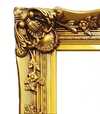
H24-GOLD zł30
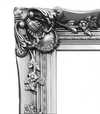
H24-SILVER zł30
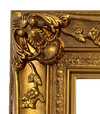
H36-GOLD zł45
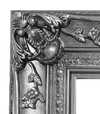
H36-SILVER zł45
iii.
Niech stanie się Twoja
Obraz wykonany ręcznie może zostać stworzony na indywidualne zamówienie.
Po złożeniu zamówienia zespół WikiOO.org skontaktuje się z klientem drogą mailową w celu uzyskania instrukcji i prześle podgląd projektu
iv.
Wykończenie
Tabliczka znamionowa, werniks i dostawa.
Etykieta obiektu
Szczegóły grawerowanej brązowej tabliczki
This elegant plaque features the artist's name and the title of the artwork, finely engraved for a timeless presentation.
It is made from bronze with a refined, elegant finish. The text is precisely laser-engraved for a sharp and permanent result. Measuring 9x2 cm, the plaque is compact yet easy to read. It's built to be durable and scratch-resistant, offering a professional, museum-quality look. Mounting is simple thanks to the included adhesive backing.
Szczegóły przezroczystej tabliczki akrylowej
The plaque includes essential engraved details such as the artist's name, the title of the artwork, the date it was created, the type of media used-like oil on canvas or watercolor-a brief description of the piece, and a QR code that links to the complete artwork information.
It is crafted from clear acrylic, offering a sleek, modern appearance. The text is UV-engraved in black to ensure strong visual contrast. With a size of 10x15 cm, it ensures optimal readability. It comes equipped with two metal hooks for secure wall mounting. The plaque is designed to be weather-resistant, making it suitable for various environments, and it includes interactive features that work seamlessly with smartphone scanning.
Szczegóły czarnej tabliczki akrylowej
This elegant plaque includes engraved information such as the artist's name, the title of the artwork, the date it was created, the type of media used (like oil on canvas or watercolor), a short description of the artwork, and a QR code for quick access to more information.
The plaque itself is made from refined black acrylic with a premium finish. The text is laser-engraved in white for high contrast and readability. Its size is 10x15 cm, designed to be easy to read. It comes with two metal hooks for professional mounting. The design is sleek and fits any interior style. It is also weather-resistant and durable, with built-in digital integration for mobile compatibility.
Lakier ochronny
Produkcja ekspresowa
Dostawa na całym świecie () w ciągu 3–4 tygodni zamiast standardowych 5 tygodni. (20 Listopad). Bez kompromisów w kwestii jakości.
- Bezpłatna ekspresowa wysyłka na cały świat
- Wysokiej jakości płótno lniane
- Pełne ubezpieczenie przesyłki
- Gwarancja zwrotu należności celnych i podatków importowych
- Gwarancja wiernego odwzorowania kolorów
- 100-dniowa polityka zwrotów (tylko w przypadku wad)
- Gwarancja 100% zwrotu pieniędzy
- Zniżka przy zakupie wielu sztuk


Szybkie fakty i quiz o sztuce
Powiązane artykuły

Dutch Northern Renaissance painters
Masterpieces by Bosch and Brueghel define the Northern Renaissance. Explore the full collection online at WikiOO.org.
Podobne dzieła


