
 Podgląd w skali 1:1

 Wyślij jako kartkę
 Udostępnij
 Szczegóły dzieła
 Przewodnik


 Pobierz obraz
 Podobne obiekty
 RTG
 Pokaz slajdów
 Pytania i odpowiedzi
 Statystyki
Self-Portrait

- 52.0 x 42.0cm

 Rozwiń treść
Giclée / Wydruk artystyczny
Wydruki giclée lub płótna o jakości muzealnej, szybka realizacja i szeroki wybór opcji wykończenia. ( Zamów ręcznie malowaną reprodukcję Przejdź do wersji cyfrowej)
































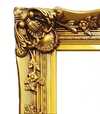
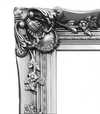
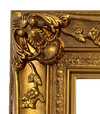
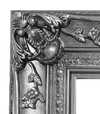
Wybierz spośród naszych standardowych rozmiarów, które zachowują oryginalne proporcje dzieła sztuki.

Wpisz wymaganą szerokość i wysokość, aby dopasować grafikę do ramy lub ściany. Wydruk można jedynie przyciąć, nigdy nie powiększając go poza oryginalny obraz, dlatego format o innych proporcjach spowoduje utratę części kompozycji. Przed rozpoczęciem druku prześlemy Ci cyfrowy podgląd do zatwierdzenia. Obraz wyświetlany na tej stronie nie pokazuje rzeczywistego przycięcia — jedynie podgląd oddaje ten efekt.
Dostawa na cały świat () w ciągu 2 tygodni zamiast standardowych 4/5 tygodni. (21 Listopad)

Bezpłatna ekspresowa wysyłka na cały świat

Wysokiej jakości płótno lniane

Pełne ubezpieczenie przesyłki

Gwarancja zwrotu należności celnych i podatków importowych

Gwarancja wiernego odwzorowania kolorów

100-dniowa polityka zwrotów (tylko w przypadku wad)

Gwarancja 100% zwrotu pieniędzy

Zniżka przy zakupie wielu sztuk
 Opcja ze szkłem jest dostępna wyłącznie w rozmiarach poniżej 110 cm

Self-Portrait
Giclée / Wydruk artystyczny
Wymiary reprodukcji
-


Cena całkowita
zł 242
Podobne dzieła


Biografia artysty
A Life Between Borders
Anton Ebert entered the world in 1845 at Kladrau Castle near Mies, Bavaria. His early years were shaped by the structured surroundings of the Windisch-Graetz family estate, where his father served as the royal treasurer. This childhood setting provided a foundation for a life that would eventually span several European cultural centers.
His path as an artist led him from the Prague Academy to the studios of Vienna. It was there that he studied under Ferdinand Georg Waldmüller, an instructor whose approach to subject matter and palette left a lasting mark on his technique. While his roots were in Bohemia, Ebert’s movements took him through Berlin and eventually into the heart of Russia around 1870. This migration allowed him to observe a wide variety of lives, from the aristocratic circles of the Imperial family to the rural populations of the Russian countryside.
He spent his final years in Vienna, where he passed away on 16 June 1896. His life was defined by this movement between different landscapes and social strata.
The Art of Observation
Ebert’s work focused heavily on the human figure, particularly children and women. He possessed a particular skill for capturing the textures of daily existence, whether through the heavy fabrics of a peasant's clothing or the delicate details of a formal portrait. His paintings often documented specific cultural identities, such as the traditional folk attire found in his 1879 work, Girl in Folk Costume.
His approach to painting was grounded in realism and a meticulous attention to detail. He used oil on canvas and panel to render skin, fabric, and light with great precision. While some of his portraits leaned toward the classical, others captured more intimate, everyday scenes:
- Portraits of the aristocracy and members of the Imperial family.
- Genre scenes depicting merchants and peasants.
- Landscapes focused on the surroundings of Vienna.
- Miniature portraits executed on ivory.
In works like The Mellon Seller, he applied a realistic style to depict a young woman with watermelons, focusing on the physical reality of the scene. He also drew from his own memories of Kladrau Castle to create scenes involving children, often using the family members of the Windisch-Graetz house as models.
A Lasting Record
Ebert’s significance lies in his role as a documentarian of 19th-century life. Through his portraits and genre paintings, he recorded the customs, costumes, and faces of a period undergoing rapid change. His ability to move between the formal requirements of portraiture for royalty and the honest depiction of ordinary people allowed him to create a broad visual record of his era.
His pieces are held in various collections across Europe, including the Museum of Vienna, the Roumianzeff Museum in Moscow, and the Mainz Art Gallery. These works remain as physical links to the social structures and regional identities of the late 1800s.

Anton Ebert
1845 - 1896 , Czech Republic
Krótka nota
- Artistic Movement Or Style: Realism and Historicism
- Artists Who Influenced This Artist: ['Ferdinand Georg Waldmüller']
- Full Name: Anton Ebert
- Nationality: Czech or German
- Notable Artworks:
- Girl in Folk Costume
- An Elegant Lady
- The Mellon Seller
- Grandmother's Recovery
- Spring In The Woods
- Place Of Birth: Kladruby, Bohemia
- Date Of Birth: 1845
- Date Of Death: 1896
Powiązane artykuły

James Abbott McNeill Whistler: 25 Arcydzieł Sztuki Pejzażowej i Portretowej | WikiOO
Odkryj 25 arcydzieł Jamesa Abbotta McNeilla Whistler'a! Poznaj historię impresjonistycznych pejzaży, portretów i słynnych 'Nokturnów'. Reprodukcje obrazów najwyższej jakości na WikiOO.org – inspiracje dla Twojego wnętrza.

Albrecht Dürer: 25 Arcydzieł Mistrza Renesansu – Obrazy i Grafiki do Twojego Domu
Odkryj 25 arcydzieł Albrechta Dürera – mistrza renesansu! Poznaj historie, techniki i symbolikę jego najsłynniejszych obrazów i grafik. Reprodukcje najwyższej jakości do Twojego wnętrza na WikiOO.org

Masterpieces of Elegance: The Top 25 Artworks by Anthony van Dyck
Explore 25 iconic masterpieces by Anthony van Dyck. Discover the elegance of Flemish Baroque art. Explore the full collection online at WikiOO.org

Echo Samorefleksji: Temat Własnego Obrazu w Historii Sztuki i Współczesnej Praktyce
Odkryj fascynującą historię autoportretu w sztuce! Analiza arcydzieł van Eycka, Repina i Kirchnera. Poradnik dla kolekcjonerów: wartość inwestycyjna i emocjonalna portretów artystów.

Egon Schiele: 25 Arcydzieł Ekspresjonizmu dla Kolekcjonerów i Miłośników Sztuki | WikiOO.org
Odkryj 25 najbardziej znanych dzieł Egona Schiele – ikony ekspresjonizmu austriackiego. Poznaj historie, techniki i emocje ukryte w jego portretach i obrazach. Reprodukcje najwyższej jakości na WikiOO.org! Eksploruj pełną kolekcję online.