

 Podgląd w skali 1:1
 Wyślij jako kartkę
 Udostępnij
 Szczegóły dzieła
 Przewodnik

 Pobierz obraz
 Podobne obiekty
 RTG
RTG Pokaz slajdów
 Statystyki
Satyr


 Rozwiń treść
Giclée / Wydruk artystyczny
Wydruki giclée lub płótna o jakości muzealnej, szybka realizacja i szeroki wybór opcji wykończenia. ( Zamów ręcznie malowaną reprodukcję Przejdź do wersji cyfrowej)




P118B zł10

P118H zł10

P118W zł10

P438Z zł10

P508JH zł12

P508YH zł12

P805H zł10

P805Z zł10

P919BZ zł10

P919G zł10

P919XJ zł10

P959ZH zł10

P968JZ zł12

W106C zł8

W218G zł10

W218JH zł8

W218Y zł10

W307PJ zł10

W316G zł10

W316PJ zł8

W316Y zł10

W398PJ zł8

W4111J zł10

W500HY zł15

W500JH zł15

W692G zł12

W849H zł8

W940BG zł15

W953PJ zł8




Wybierz spośród naszych standardowych rozmiarów, które zachowują oryginalne proporcje dzieła sztuki.

Wpisz wymaganą szerokość i wysokość, aby dopasować grafikę do ramy lub ściany. Wydruk można jedynie przyciąć, nigdy nie powiększając go poza oryginalny obraz, dlatego format o innych proporcjach spowoduje utratę części kompozycji. Przed rozpoczęciem druku prześlemy Ci cyfrowy podgląd do zatwierdzenia. Obraz wyświetlany na tej stronie nie pokazuje rzeczywistego przycięcia — jedynie podgląd oddaje ten efekt.
Dostawa na cały świat () w ciągu 2 tygodni zamiast standardowych 4/5 tygodni. (27 Październik)

Bezpłatna ekspresowa wysyłka na cały świat

Wysokiej jakości płótno lniane

Pełne ubezpieczenie przesyłki

Gwarancja zwrotu należności celnych i podatków importowych

Gwarancja wiernego odwzorowania kolorów

100-dniowa polityka zwrotów (tylko w przypadku wad)

Gwarancja 100% zwrotu pieniędzy

Zniżka przy zakupie wielu sztuk
 Opcja ze szkłem jest dostępna wyłącznie w rozmiarach poniżej 110 cm

Satyr
Giclée / Wydruk artystyczny
Wymiary reprodukcji
-


Cena całkowita
zł 234
The Mythic Embrace of Benvenuto Cellini's Satyr
Benvenuto Cellini’s “Satyr” stands as a captivating testament to the dynamism and sensual allure that defined the Mannerist period in Italian art. Completed around 1545, this bronze sculpture transcends mere representation; it embodies the very spirit of Dionysian revelry and the untamed beauty of the natural world. More than just a depiction of a mythological creature, Cellini’s satyr is an embodiment of potent emotion – a moment frozen in time, brimming with both mischievous energy and a profound, almost melancholic contemplation.
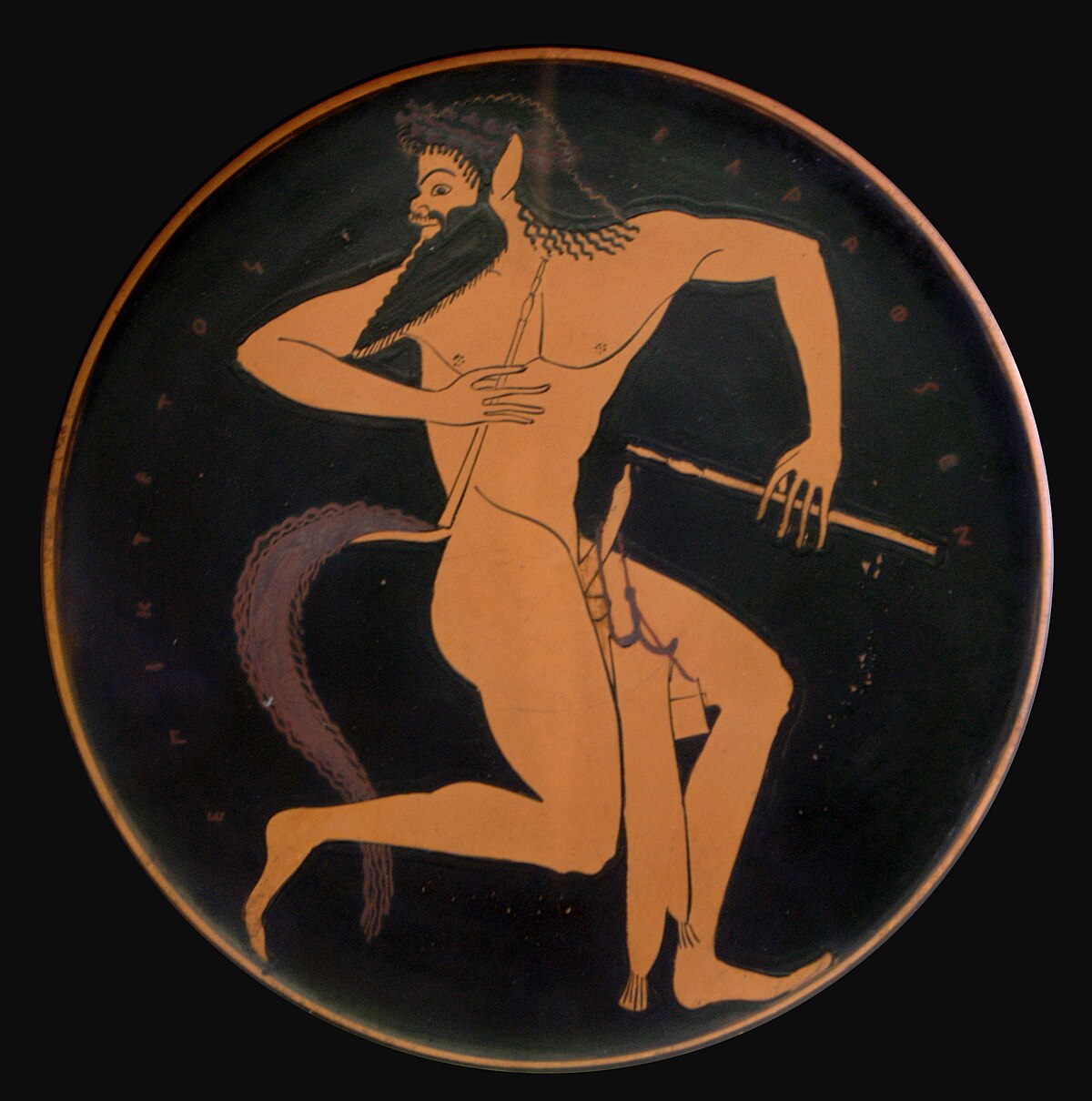
The sculpture itself is a marvel of technical skill and expressive form. Standing nearly four feet tall, the satyr is rendered in a remarkably realistic style, yet imbued with an unmistakable Mannerist flair. His muscular physique, accentuated by the strong lines of his arms and belly, speaks to a primal vitality – a celebration of the body’s inherent power. The details are exquisite: the unruly curls of his hair, the intense gaze of his eyes, the subtle suggestion of a mischievous grin. Notably, the bronze is treated with a rich, aged patina that adds depth and character, hinting at the passage of time and the sculpture's journey through history.
A Glimpse into Renaissance Mythology
Cellini’s satyr isn’t simply a charming figure from Greek mythology; it’s deeply rooted in the cultural context of the 16th century. Satyrs, companions to the god Dionysus, were traditionally associated with wildness, intoxication, music, and fertility – potent symbols of human desires and impulses. In Renaissance Florence, these themes resonated powerfully, particularly within the circles of artists and intellectuals who sought to reconcile classical ideals with contemporary sensibilities. Cellini’s work reflects this complex interplay, capturing both the exuberance and the underlying melancholy inherent in the satyr's existence.
The sculpture’s creation coincided with Cellini’s time at the court of Francis I of France, a period marked by lavish patronage and an embrace of Mannerist aesthetics. This royal commission further elevated the work, imbuing it with a sense of grandeur and sophistication. The choice of bronze as the medium itself is significant – a material prized for its durability, luster, and ability to capture intricate detail.
Symbolism and Artistic Technique
Beyond its mythological subject matter, “Satyr” is rich in symbolic meaning. The satyr’s gesture—raised hand, as if reaching out or beckoning—suggests an invitation into a world of pleasure and abandon. The sculpture's composition, with the satyr presented in profile, creates a sense of intimacy and immediacy, drawing the viewer into his gaze. Cellini masterfully employed techniques such as *repoussé* (hammering metal from the reverse side to create relief) and *chasing* (using tools to refine the surface of the metal), demonstrating his exceptional skill as a goldsmith and sculptor.
The sculpture’s hollow back, filled with fragments of burnt clay and wooden pegs, is particularly intriguing. This deliberate inclusion suggests a layering of meaning—a reference to the satyr's connection to the earth and the cyclical nature of life and death. It also hints at Cellini’s own fascination with materials and his desire to create works that were both beautiful and intellectually stimulating.
A Timeless Masterpiece
Benvenuto Cellini’s “Satyr” remains a powerful and evocative work of art, captivating viewers with its blend of mythological narrative, technical brilliance, and emotional depth. It is a window into the Renaissance world—a celebration of human creativity, sensual desire, and the enduring power of myth. Reproductions by WikiOO offer an exceptional opportunity to bring this iconic masterpiece into your home or office, allowing you to appreciate its beauty and complexity for years to come.
Pytania i odpowiedzi
Jak mogę odkryć dzieła podobne do „Satyr” – Benvenuto Cellini?
Dzieła podobne do „Satyr” – Benvenuto Cellini można znaleźć na stronie Podobne dzieła danego dzieła.
Czy kolory dzieła "Satyr" są intensywne czy stonowane?
Dzieło „Satyr” – Benvenuto Cellini charakteryzuje się nasyceniem na poziomie Clear Color Presence oraz intensywnością Vivid.
Do jakiego nurtu w sztuce należy „Satyr” – Benvenuto Cellini?
„Satyr” – Benvenuto Cellini należy do nurtu Mannerist Renaissance. Nurt ten stanowi stylistyczny kontekst dzieła.
Podobne dzieła


Biografia artysty
Benvenuto Cellini: Złotnik, Rzeźbiarz i Niezwykły Opowiadacz
Benvenuto Cellini, postać wybitna w renesansowym pejzażu włoskim, to artysta, którego życie było równie barwne i burzliwe jak jego dzieła. Złotnik, rzeźbiarz, pisarz, medalier – trudno go jednoznacznie sklasyfikować. Cellini był uosobieniem renesansowego ideału człowieka uniwersalnego, łączącego w sobie talent artystyczny z zamiłowaniem do przygód i niezwykłą umiejętnością opowiadania historii. Jego autobiografia, będąca świadectwem epoki, na równi z jego arcydziełami złotnictwa i rzeźby, cementuje jego miejsce w panteonie włoskiej kultury.
Początki i Formowanie Talentów
Urodzony we Florencji w 1500 roku, Benvenuto Cellini dorastał w rodzinie o muzycznych tradycjach – jego ojciec był muzykiem i budowniczym instrumentów. Początkowo to właśnie ścieżka muzyczna wydawała się być przeznaczeniem młodego Benventa. Jednakże już jako piętnastolatek, z determinacją skierował swoje zainteresowania ku złotnictwu, przekonując niechętnego ojca do oddania go w ręce Antonio di Sandro, znanego również jako Marcone. To właśnie pod jego kierunkiem Cellini rozpoczął formalną edukację artystyczną. Młodzieńcze lata nie były jednak pozbawione incydentów – już w wieku szesnastu lat wciągnięto go w bójkę, co skutkowało wygnaniem z Florencji i pracą w Sienie u złotnika Fracastoro. Te pierwsze doświadczenia kształtowały jego charakter i umiejętności, wprowadzając go w świat warsztatu artystycznego.
Arcydzieła Złotnictwa i Rzeźby: Świadectwo Geniuszu
Cellini zasłynął przede wszystkim jako mistrz złotnictwa. Jego najbardziej znanym dziełem jest bez wątpienia Solniczka Króla Franciszka I, monumentalne arcydzieło wykonane ze srebra i emali, obecnie znajdujące się w Kunsthistorisches Museum w Wiedniu. To nie tylko naczynie, ale prawdziwy teatr w miniaturze – dynamiczne figury, misternie wykute detale, bogactwo symboliki sprawiają, że solniczka ta jest świadectwem niezwykłego kunsztu i wyobraźni artysty. Równie imponujące są jego medale, na których z pietyzmem odzwierciedlał portrety ważnych postaci epoki, łącząc w nich elementy klasycznej tradycji z nowatorskim podejściem do kompozycji. W rzeźbie Cellini pozostawił po sobie równie znaczące ślady – jego brązowy Perseusz z głową Meduzy, dumnie stojący w Loggi dei Lanzi we Florencji, to manifestacja siły i triumfu nad złem, ukazująca mistrzostwo artysty w oddawaniu ruchu i emocji w metalu. Złoty Medal Leda i Łabędź, stworzony dla Gonfaloniere Gabriello Cesarino, dowodzi jego umiejętności łączenia mitologii klasycznej z wyrafinowanym rzemiosłem.
Życie Pełne Przygód i Autobiograficzne Wyznanie
Życie Celliniego było równie fascynujące jak jego dzieła. Służył jako żołnierz, brał udział w oblężeniach, a nawet twierdził, że odegrał kluczową rolę w obronie Rzymu przed wojskami cesarskimi. Był również utalentowanym muzykiem, grającym na cornetcie i flecie na dworze papieskim. Jednak to jego autobiografia, "Życie Benvenuto Celliniego", stanowi prawdziwe arcydzieło literackie. To szczery, choć często autopromocyjny, opis jego życia, pełen anegdot o patronach, rywalach i osobistych przygodach. Autobiografia ta to bezcenna relacja z renesansowego świata, oferująca unikalną perspektywę na epokę.
Dziedzictwo i Znaczenie Historyczne
Benvenuto Cellini zmarł we Florencji w 1571 roku, pozostawiając po sobie bogate dziedzictwo jako jeden z najwybitniejszych artystów manieryzmu. Jego techniczne umiejętności, innowacyjne podejście do sztuki i porywająca autobiografia nadal inspirują artystów i miłośników sztuki na całym świecie. Cellini uosabia renesansowy ideał człowieka wszechstronnego – ambitnego, utalentowanego w wielu dziedzinach i nieustraszonego w wyrażaniu swojej indywidualności. Jego dzieła, cechujące się pięknem, kunsztem i dramatyczną siłą, na stałe wpisały się do historii sztuki Zachodu.

Benvenuto Cellini
1500 - 1571 , Włochy
Krótka nota
- Artyści-Inspiracje: ['Michał Anioł']
- Data Urodzenia: 3 listopada 1500
- Data Śmierci: 13 lutego 1571
- Miejsce Urodzenia: Florencja, Włochy
- Narodowość: Włoski
- Pełne Imię: Benvenuto Cellini
- Styl Artystyczny: Manieryzm
- Znaczące Dzieła:
- Solniczka Franciszka I
- Perseusz z głową Meduzy
- Medal Leda i łabędzia
Powiązane artykuły

10 Legendarnych Brązów Rzeźbiarskich, Które Zmieniły Sztukę | WikiOO
Odkryj 10 legendarnych rzeźb brązowych od Rodina, Degasa i innych mistrzów! Poznaj historię powstania arcydzieł sztuki i inspiruj się do dekoracji wnętrz. Reprodukcje najwyższej jakości na WikiOO.org – zobacz kolekcję!

Trwałe Dziedzictwo Bronzu: Historia, Techniki i Artystyczna Ekspresja dla Kolekcjonera
Poznaj historię i techniki odlewania brązu. Poradnik dla kolekcjonerów o konserwacji, wartościowaniu i inwestycjach w sztukę brązową. Ekspercka wiedza i inspiracje.

Trwała Spuścizna Rzeźby z Brązu: Przewodnik Kolekcjonera po Formie i Znaczeniu Kulturowym
Kompleksowy przewodnik po rzeźbie z brązu dla kolekcjonerów i pasjonatów sztuki. Poznaj historię, techniki, wycenę i konserwację unikalnych dzieł. Ekspercka wiedza i porady inwestycyjne.

Trwała Spuścizna Bronzu: Historia, Technika i Ekspresja Artystyczna dla Kolekcjonera
Poznaj historię i techniki rzeźby z brązu. Ekspercka analiza wartości inwestycyjnej, konserwacji oraz ewolucji stylistycznej dla wymagających kolekcjonerów. Odkryj świat XIX-wiecznych arcydzieł Rodina i innych mistrzów.

10 Legendarnych Brązów, Które Zrewolucjonizowały Sztukę | WikiOO
Odkryj 10 legendarnych rzeźb brązowych, które zrewolucjonizowały sztukę! Poznaj historie Rodina, Donatello i innych mistrzów. Inspiracje wnętrzarskie & reprodukcje najwyższej jakości na WikiOO.org.

