
Modica, Sicily (Edward Lear)


Reprodukcja giclée: 27 x 38 cm za zł172
Ręcznie malowana wersja olejowa, rozmiary od zł964
- Darmowa wysyłka na cały świat w ciągu 3–4 tygodni
- Wydruki w tubie dostarczane w ciągu 3–4 tygodni
- 100 dni na zwrot, gwarancja zwrotu pieniędzy
- Ocena 4.9/5 na podstawie 241 opinii klientów w ArtShopReviews.com
 Podgląd w skali 1:1

 Wyślij jako kartkę
 Udostępnij
 Szczegóły dzieła
 Karta informacyjna


 Pobierz obraz
 Podobne obiekty
 RTG
 Pokaz slajdów
 Pytania i odpowiedzi

 Statystyki
Przyjrzyj się bliżej
Każdy detal, wiernie odwzorowane
Trzy powiększone fragmenty obrazu. Nasz druk giclée zachowuje każdy z nich w wybranym przez Ciebie rozmiarze.
i.
Serce sceny.
ii.
Światło i tło
iii.
Sposób prowadzenia pędzla.
Obraz
Modica, Sicily (Edward Lear): opis
A watercolor sketch of a sunlit plaza and bridge in Sicily, rendered with loose, sketchy lines and muted earthy tones on textured paper.
 Pełny artykuł o Modica, Sicily
Edward Lear: biografia
Wiktoriański artysta i poeta nonsensownych wierszy oraz delikatnych, akwarelowych krajobrazów.
Identification of Modica, Sicily by Edward Lear
In this watercolor sketch, Edward Lear turns his attention to the specific topography of Modica, Sicily. The work is a landscape depiction that seeks to capture the essence of the town's architecture and its unique setting. Rather than a formal study, it presents a loose, observational view of the clustered buildings and the central plaza that defines the settlement.
The subject matter focuses on the intersection of human habitation and the natural landscape. Lear has rendered the townscape with a sense of quiet observation, focusing on how the structures sit within the Sicilian terrain. It is a direct record of a specific place, capturing the way the buildings gather around the waterway and the bridge that spans it.
Composition and Visual Elements
The arrangement of this scene is centered upon the town's plaza, creating a focal point for the viewer's eye. Buildings cluster around this central space, their forms acting as a frame that contains the view and directs attention inward. A bridge spans a waterway, providing a steady horizontal element that anchors the middle ground and guides the eye across the composition.
In the background, a large rock formation rises to dominate the skyline, lending a sense of scale to the architecture below. Throughout the plaza, small figures are scattered, their presence providing a subtle sense of activity within the townscape. These figures suggest the quiet rhythm of everyday life without overwhelming the structural elements of the landscape.
Technique and Artistic Materials
In this work, Lear employs watercolor on paper to capture the specific atmosphere of the Sicilian landscape. He relies heavily on a wet-on-wet technique, a method that allows the pigments to bleed and blend into one another directly on the surface. This approach creates a soft, fluid quality where the sky and the water seem to merge through natural diffusion. It is a delicate process that requires a certain level of spontaneity to manage how the colors interact before they dry.
The artist's hand is visible through loose brushwork and sketching that define the architecture and the rugged terrain. Rather than seeking rigid precision, the lines suggest form and texture, providing a sense of immediacy to the scene. He utilizes watercolor paints alongside ink to achieve this layered effect. The ink likely assists in the more structural aspects of the sketch, while the washes of color provide the necessary depth and atmospheric softness.
Style and Visual Impression
This watercolor sketch captures the essence of Modica, Sicily, through a style characteristic of Edward Lear's travel sketches. It moves between the precision of a topographical record and a more whimsical, slightly naive approach to the landscape. There is a certain lightness here, a sense of the artist capturing a moment of observation rather than attempting a heavy, dramatic composition. The work sits comfortably within the realm of Romantic landscape painting, yet it avoids the grandiosity often associated with the movement, opting instead for a quiet, observational intimacy.
The impression is one of tranquility and nostalgia. By employing a loose, sketchy line to define the buildings and the central plaza, the artist suggests form and texture without the need for rigid, exacting detail. This approach allows the viewer to feel the atmosphere of the Sicilian townscape rather than just seeing its geometry. The figures scattered throughout the plaza add a subtle layer of everyday life, grounding the scene in a sense of lived experience. It is a quiet study of a specific place, rendered with a gentle, contemplative touch.
Color, Light, and Texture
The palette here is quiet, leaning into muted and earthy tones that reflect the natural stone of the Sicilian landscape. Browns, tans, and grays dominate the scene, grounding the architecture and the rugged rock formations in a sense of permanence. These colors are applied in soft washes, which allow the pigment to bleed and blend, creating an atmospheric effect that suggests the hazy quality of the Mediterranean air.
Light enters the composition as a diffused daylight, avoiding harsh shadows or sharp contrasts. This gentle illumination settles over the plaza and the buildings, highlighting the forms without overwhelming them. It is a subtle light, the kind that feels captured in a moment of stillness. The watercolor technique leaves a tactile quality on the surface, where visible brushstrokes and the natural grain of the paper provide a subtle, organic texture to the buildings and the sky.
Perspective and Depth
In this watercolor, Lear achieves a sense of spatial recession through a careful application of atmospheric perspective. As the eye moves toward the background, the distant rock formations and the upper reaches of the townscape appear paler and lose their fine detail. This softening of the landscape allows the viewer to perceive the vast scale of the Sicilian terrain without the need for rigid, mathematical precision. It is a subtle, observational method that mirrors the way the eye naturally perceives light and air over a distance.
The structural depth of the plaza is established through the use of linear perspective, found in the receding lines of the clustered buildings and the streets that lead toward the center. This is further reinforced by the way forms overlap one another, creating distinct layers of space from the figures in the foreground to the architecture in the midground. By varying the intensity of his color washes, Lear ensures that the closer elements maintain a greater presence, while the more distant structures recede into a soft, muted haze.
Related Works by Edward Lear
To understand the landscape sensibilities present in this Sicilian scene, one might look toward Lear's other explorations of the Mediterranean. His 1847 watercolor, Quarries of Syracuse, captures a similar sense of rugged grandeur along the Sicilian coastline. During that same period, his interest in the island's topography led him to produce oil sketches of Mount Etna, which emphasize the scale of the volcano through bold brushwork and the characteristic haze of the region.
His travels often moved between the natural world and the structured presence of civilization. This is evident in his landscape painting, View Of Reggio And The Straits Of Messina, which captures a panoramic vista of a coastal city. Similarly, A View of the Roman Campagna, a Villa and Aqueduct in the Distance, reflects his ability to document the specific light and ancient terrain of the Italian countryside. These works demonstrate a consistent interest in how architecture and topography interact within the Mediterranean light.
Pytania i odpowiedzi
Czy ta reprodukcja Modica, Sicily jest malowana ręcznie, czy jest to wydruk?
Wydruk: Modica, Sicily jest reprodukowany jako wydruk giclée na płótnie bawełnianym lub na archiwalnym papierze artystycznym marki Epson.
Jaki rozmiar wybrać dla Modica, Sicily?
Dostępne rozmiary obejmują zakres od 26.5 x 37.8 cm (zł172) do 170.9 x 243.6 cm (zł1421); tabela na tej stronie przedstawia główne warianty oraz ich ceny.
Ile trwa dostawa?
Wydruk zwinięty w tubie jest wysyłany bezpłatnie pocztą zwykłą i dociera w ciągu 3–4 tygodni; wydruk na płótnie lub w ramie wymaga 4–5 tygodni. Dostawa kurierem ekspresowym jest dostępna wyłącznie przy wykupieniu płatnej opcji Express Delivery. Możesz dokonać zwrotu w ciągu 100 dni z pełnym zwrotem kosztów, bez żadnych dodatkowych warunków.
Jakiej techniki użył/a Edward Lear w pracy Modica, Sicily?
Watercolor

Edward Lear
1812 - 1888, Wielka Brytania
Artysta malarz
O Edward Lear: życie, twórczość i biografia
Krótkie informacje o Edward Lear
- Artistic Movement Or Style: Nonsens, Viktoriański
- Date Of Birth: 12 maja 1812
- Date Of Death: 29 stycznia 1888
- Full Name: Edward Lear
- Nationality: Brytyjski
- Notable Artworks:
- Owca i kota
- Duch z latarnią
- Krajobrazy
- Place Of Birth: Londyn, UK

Reprodukcja giclée
Zamów reprodukcję dla Ciebie
Reprodukcja giclée
Wydruki giclée lub płótna o jakości muzealnej, szybka realizacja i szeroki wybór opcji wykończenia. ( Wersja olejowa Wersja cyfrowa
)

Twoja prowizja

Modica, Sicily
Technika reprodukcji
Wymiary reprodukcji
-

Opcje oprawy reprodukcji
-
-
W przypadku dzieł sztuki lub reprodukcji, których którykolwiek z boków przekracza 105 cm (około 41 cali), rama zostanie wysłana w formie zestawu do samodzielnego montażu. Metoda ta zapewnia bezpieczną dostawę i zapobiega uszkodzeniom podczas transportu.
Wymagany profesjonalny montaż – nie jest to produkt typu DIY.
Zestaw musi zostać złożony, a płótno naciągnięte przez doświadczonego profesjonalnego ramiarza, przy użyciu kleju do drewna (brak w zestawie), kleszczy do naciągania płótna oraz ścisków, które utrzymają krosna w równej pozycji podczas schnięcia kleju. Nieprawidłowy montaż lub nierównomierne napięcie płótna może trwale uszkodzić dzieło sztuki i nie podlega naszej gwarancji.
 W przypadku dzieł sztuki lub reprodukcji, których którykolwiek z boków przekracza 105 cm (około 41 cali), rama zostanie wysłana w formie zestawu do samodzielnego montażu. Metoda ta zapewnia bezpieczną dostawę i zapobiega uszkodzeniom podczas transportu.
W zestawie znajdują się wszystkie listwy z litego drewna, precyzyjnie docięte do wymiarów.
Montaż odbywa się przy użyciu dołączonych wkrętów oraz kleju do drewna do łączenia narożników, którego zestaw nie zawiera i który musi zostać dostarczony przez ramiarza.
Wymagane są profesjonalne narzędzia, których nie ma w zestawie: kleszcze do naciągania płótna (napinacz) oraz zaciski, które pozwolą utrzymać listwy w równej pozycji podczas schnięcia kleju.
Ważne:
Do połączenia narożników niezbędny jest klej do drewna, listwy należy unieruchomić za pomocą ścisków do momentu całkowitego wyschnięcia kleju, a naciągnięcie płótna na złożoną ramę wymaga użycia kleszczy do naciągania płótna. Żaden z tych elementów nie jest dołączony do zestawu. Przed zamówieniem tego rozmiaru zalecamy konsultację z doświadczonym ramiarzem.

Etykieta obiektu
-
-

Lakier ochronny
Lakier z połyskiem (pogłębia kolory, chroni przed światłem i wilgocią)
-

Ekspresowa
Dostawa na cały świat () w ciągu 2 tygodni zamiast standardowych 4/5 tygodni. (16 Grudzień)
-
Przesyłka ekspresowa
Dostawa na cały świat () w ciągu 4-5 tygodni. (23 Grudzień).
W cenie

Darmowa wysyłka pocztą
Dostawa na cały świat () przesyłką pocztową w ciągu 3 do 4 tygodni. (16 Grudzień)
W cenie
Cena całkowita
zł 268
Opcja ze szkłem jest dostępna wyłącznie w rozmiarach poniżej 110 cm
i.
Skala
Przesuń na swoją ścianę: każdy rozmiar zachowuje proporcje oryginału.
Wybierz spośród naszych standardowych rozmiarów, które zachowują oryginalne proporcje dzieła sztuki.

Wpisz wymaganą szerokość i wysokość, aby dopasować grafikę do ramy lub ściany. Wydruk można jedynie przyciąć, nigdy nie powiększając go poza oryginalny obraz, dlatego format o innych proporcjach spowoduje utratę części kompozycji. Przed rozpoczęciem druku prześlemy Ci cyfrowy podgląd do zatwierdzenia. Obraz wyświetlany na tej stronie nie pokazuje rzeczywistego przycięcia — jedynie podgląd oddaje ten efekt.
ii.
Rama
Obramowanie jest naniesione na obraz w jego rzeczywistej szerokości.
W oprawie

Białe krawędzie zł1

rozmyte krawędzie zł1

Przedłużony zł1

P118B zł10

P118H zł10

P118W zł10

P438Z zł10

P508JH zł12

P508YH zł12

P805H zł10

P805Z zł10

P919BZ zł10

P919G zł10

P919XJ zł10

P959ZH zł10

P968JZ zł12

W106C zł8

W218G zł10

W218JH zł8

W218Y zł10

W307PJ zł10

W316G zł10

W316PJ zł8

W316Y zł10

W398PJ zł8

W4111J zł10

W500HY zł15

W500JH zł15

W692G zł12

W849H zł8

W940BG zł15

W953PJ zł8
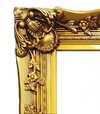
H24-GOLD zł30
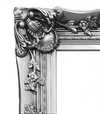
H24-SILVER zł30
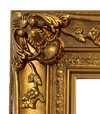
H36-GOLD zł70

H36-SILVER zł70
iii.
Technika i materiał
Płótno jest drukowane farbami giclée i może zostać naciągnięte na ramę lub oprawione jak obraz; papier dostarczany jest w formie płaskiej lub w ramie z szybą.
Nasza opcja budżetowa: ten sam obraz wydrukowany na płótnie poliestrowym 260 g/m² zamiast bawełnianego, dostarczany w tubie przesyłką pocztową w ciągu 3 do 4 tygodni. Tylko w formie rulonu (bez krosien, bez ram) i bez ekspresowej produkcji, dla formatów, których przynajmniej jeden bok ma 80 cm lub mniej. Około 30% taniej niż wydruk na płótnie bawełnianym.
Nieosiągalne dla tego rozmiaru: przynajmniej jeden bok musi mieć 80 cm lub mniej.
Tylko w tubie: aby wybrać ten wydruk, wybierz opcję płótna zwiniętego w tubę.
Dostępne dla formatów, których oba boki mają maksymalnie 110 cm. W przypadku większych rozmiarów wydruk jest wykonywany na matowym płótnie bawełnianym.
Matowe płótno archiwalne nie jest dostępne w tym rozmiarze: oba boki muszą mieć maksymalnie 110 cm. Twój wydruk zostanie wykonany na matowym płótnie bawełnianym.
Opcja ze szkłem jest dostępna wyłącznie w rozmiarach poniżej 110 cm
iv.
Wykończenie
Tabliczka znamionowa, werniks i dostawa.
Etykieta obiektu
Szczegóły grawerowanej brązowej tabliczki
Ta elegancka tabliczka zawiera imię i nazwisko artysty oraz tytuł dzieła, precyzyjnie wygrawerowane dla ponadczasowej prezentacji.
Wykonana z brązu o wyrafinowanym, eleganckim wykończeniu. Tekst jest precyzyjnie grawerowany laserowo, co zapewnia wyraźny i trwały efekt. Tabliczka o wymiarach 9x2 cm jest kompaktowa, a jednocześnie czytelna. Została zaprojektowana tak, aby była trwała i odporna na zarysowania, zapewniając profesjonalny wygląd o jakości muzealnej. Montaż jest prosty dzięki dołączonej taśmie mocującej.
Szczegóły przezroczystej tabliczki akrylowej
Tabliczka zawiera niezbędne grawerowane informacje, takie jak nazwisko artysty, tytuł dzieła, data powstania, rodzaj użytych materiałów – np. olej na płótnie lub akwarela – krótki opis pracy oraz kod QR prowadzący do pełnych informacji o dziele.
Wykonana z przezroczystego akrylu, zapewnia gładkie, nowoczesne wykończenie. Tekst jest grawerowany metodą UV w kolorze czarnym, co zapewnia wyraźny kontrast. Dzięki wymiarom 10x15 cm tabliczka zapewnia optymalną czytelność. Jest wyposażona w dwa metalowe uchwyty, które umożliwiają bezpieczny montaż na ścianie. Tabliczka jest odporna na warunki atmosferyczne, dzięki czemu nadaje się do ekspozycji w różnych miejscach, a także posiada funkcje interaktywne, które współpracują z telefonami komórkowymi po zeskanowaniu.
Szczegóły czarnej tabliczki akrylowej
Ta elegancka tabliczka zawiera wygrawerowane informacje, takie jak nazwisko artysty, tytuł dzieła, data powstania, technika wykonania (np. olej na płótnie lub akwarela), krótki opis utworu oraz kod QR umożliwiający szybki dostęp do dodatkowych informacji.
Tabliczka wykonana jest z wysokiej jakości czarnego akrylu o eleganckim wykończeniu. Tekst jest grawerowany laserowo na biało, co zapewnia wysoki kontrast i doskonałą czytelność. Tabliczka o wymiarach 10x15 cm została zaprojektowana tak, aby była łatwa do odczytania. W zestawie znajdują się dwa metalowe uchwyty umożliwiające profesjonalny montaż. Nowoczesny design sprawia, że tabliczka pasuje do każdego stylu wnętrza. Jest ona również odporna na warunki atmosferyczne i trwała, a dzięki wbudowanej integracji cyfrowej zapewnia kompatybilność z urządzeniami mobilnymi.
Lakier ochronny
Produkcja ekspresowa
Dostawa na cały świat () w ciągu 2 tygodni zamiast standardowych 4/5 tygodni. (16 Grudzień)
Przy wydruku na płótnie poliestrowym typu Economy niedostępna jest opcja pilnej produkcji ani przesyłki kurierskiej, ponieważ produkt wysyłany jest pocztą zwykłą.
- Darmowa wysyłka na cały świat w ciągu 3–4 tygodni
- Wysokiej jakości płótno lniane
- Pełne ubezpieczenie przesyłki
- Gwarancja zwrotu należności celnych i podatków importowych
- Gwarancja wiernego odwzorowania kolorów
- 100 dni na zwrot, gwarancja zwrotu pieniędzy
- Gwarancja 100% zwrotu pieniędzy
- Zniżka przy zakupie wielu sztuk


Szybkie fakty i quiz o sztuce
Powiązane artykuły

25 Essential Works by Sebastiano del Piombo: A Visual Guide
Explore 25 iconic works by Sebastiano del Piombo. Trace his High Renaissance journey and explore the full collection online at WikiOO.org.

25 Essential Works by Gentile da Fabriano: A Visual Guide to the International Gothic Icon
Explore 25 iconic works by Gentile da Fabriano. Discover International Gothic gems and curated art ideas on WikiOO.org.
Podobne dzieła


