

- 21.0 x 29.0 cm


 Podgląd w skali 1:1

 Wyślij jako kartkę
 Udostępnij
 Szczegóły dzieła
 Przewodnik


 Pobierz obraz
 Podobne obiekty
 RTG
 Pokaz slajdów
 Pytania i odpowiedzi
 Statystyki
Przyjrzyj się bliżej
Każdy detal, ręcznie malowane
Trzy fragmenty obrazu, powiększone. Nasi artyści ręcznie odtwarzają każdy z nich w wybranym przez Ciebie rozmiarze.
i.
Serce sceny.
ii.
Światło i tło
iii.
Sposób prowadzenia pędzla.
Obraz
Opis obiektu
Hendrik Goltzius's engraving depicts Apollo slaying the Python, a dramatic retelling of Greek mythology with detailed figures and expressive lines.
 Rozwiń treść
Biografia artysty
Hendrik Goltzius (1558-1617) – wybitny grafik i malarz epoki manieryzmu i baroku. Znany z dynamicznych kompozycji, innowacyjnych technik, takich jak "swelling line", oraz wpływ na sztukę renesansową.
Hendrik Goltzius’s Apollo Killing the Python: A Masterpiece of Mannerist Drama
Apollo Killing the Python is more than just an image; it's a distillation of Renaissance mythology into a powerfully expressive engraving by Hendrik Goltzius, completed in 1589. This artwork stands as a testament to Goltzius’s innovative approach to printmaking and his ability to convey complex narratives with breathtaking visual clarity—a skill that cemented his place among the foremost artists of the Baroque era. The piece captures a pivotal moment from Ovid's Metamorphoses, depicting Apollo, god of music and poetry, engaged in a brutal confrontation with Python, representing primordial chaos and evil.- Composition & Style: Goltzius’s masterful use of perspective creates a dynamic scene that draws the viewer into the drama unfolding before them. The engraving adheres to the principles of Mannerism—a stylistic movement characterized by elongated figures, stylized poses, and dramatic contrasts of light and shadow—reflecting a desire to transcend realism and explore psychological states rather than simply depicting observable reality.
- Technique: Goltzius employed a technique known as ‘swelling line,’ which he developed himself, resulting in lines that appear thicker than they actually are. This method dramatically enhances the visual impact of the engraving, emphasizing contours and creating an illusion of depth—a hallmark of Baroque art. The meticulous detail achieved through hatching and shading contributes to the overall sense of realism despite the stylized figures.
- Symbolism: The confrontation between Apollo and Python carries profound symbolic weight. Apollo embodies reason, order, and divine authority, battling against the forces of darkness and irrationality. The serpent symbolizes primordial chaos, representing the struggle between good and evil that underlies all human experience. Goltzius’s depiction underscores the enduring themes of heroism, triumph over adversity, and the victory of intellect over instinct.
- Historical Context: Created during a period of artistic experimentation and intellectual ferment—the early Baroque—Apollo Killing the Python reflects the broader cultural anxieties surrounding religious reform and the burgeoning humanist spirit. Goltzius’s engraving aligns with the prevailing aesthetic sensibilities of the time, demonstrating an artist's engagement with contemporary philosophical ideas.
- Emotional Impact: The engraving evokes a palpable sense of tension and drama—a hallmark of Mannerist art. Goltzius skillfully captures the physicality of the struggle between gods and serpent, conveying both violence and nobility. The image resonates with viewers today due to its exploration of universal themes concerning conflict, resilience, and the pursuit of enlightenment.
Pytania i odpowiedzi
Jaki jest format dzieła "Apollo Killing the Python"?
Dzieło „Apollo Killing the Python” – Hendrik Goltzius ma format Landscape. Format ten określa proporcje kompozycji.
Na którym etapie kariery Hendrik Goltzius znajduje się dzieło „Apollo Killing the Python”, biorąc pod uwagę jego datę powstania?
Data powstania dzieła (1589) sytuuje "Apollo Killing the Python" w Early Baroque rozwoju twórczości Hendrik Goltzius.
Jak zbudowana jest kompozycja kolorystyczna „Apollo Killing the Python” – Hendrik Goltzius?
Analiza kolorystyczna dzieła „Apollo Killing the Python” – Hendrik Goltzius ukazuje Gentle kontrast oraz Unified Palette harmonię.

Hendrik Goltzius
1558 - 1617, Niemcy
Artysta malarz
Biografia artysty
Early Life and Artistic Foundations
Hendrik Goltzius, a name synonymous with the vibrant dynamism of Northern Mannerism in Dutch art, emerged from humble beginnings in the region of Bracht, near present-day Venlo, Germany, in 1558. His early life was marked by an unexpected challenge – a severe burn to his right hand at a young age, an accident that would ironically become a defining characteristic of his artistic prowess. This physical impediment, rather than hindering him, shaped his technique, forcing him to develop a unique and commanding swing with the burin, the essential tool for engraving. His family’s lineage held a rich artistic heritage; his great-grandfather and grandfather were both painters in Venlo, and his father, Jan Goltz II, was a skilled glass painter in Duisburg. This familial connection instilled within him an early appreciation for visual arts, leading him to study painting on glass before transitioning to the intricate world of engraving under the tutelage of Dirck Volckertszoon Coornhert, a renowned polymath and engraver based in Cleves. This formative period laid the groundwork for his future success, introducing him to the fundamental principles of printmaking and establishing a deep understanding of artistic composition.The Haarlem Years: Innovation and Influence
Around 1577, Goltzius embarked on a pivotal chapter of his life by relocating to Haarlem, a thriving center of art and commerce in the Dutch Republic. This move proved transformative, as he established an independent printmaking workshop and quickly gained recognition for his exceptional skill and innovative approach. Haarlem became his artistic home for the remainder of his career, fostering collaborations with fellow artists like Cornelis van Haarlem and Carel van Mander, forming what is known as the “Haarlem School” – a collective dedicated to pushing the boundaries of Mannerist art in the Netherlands. Goltzius’s marriage to Margaretha Jansdr., a wealthy widow, provided him with the financial stability necessary to pursue his artistic ambitions and build a reputation for producing high-quality engravings that were sought after throughout Europe. His workshop became a hub of creative activity, attracting apprentices and contributing significantly to the dissemination of Mannerist styles across the continent.Technique and Artistic Style: The “Swelling Line”
Goltzius’s artistic style was distinguished by a remarkable command of engraving technique, most notably through his pioneering use of what is now known as the "swelling line." This innovative approach involved manipulating the burin to create varying thicknesses in lines, effectively simulating tonal shading and adding depth and dimension to his prints. This technique, coupled with his mastery of cross-hatching – creating a dense network of intersecting lines – allowed him to achieve an unprecedented level of realism and expressiveness within the confines of engraving. He was also a pioneer of the “dot and lozenge” technique, further refining tonal shading by strategically placing dots in lozenge-shaped spaces. His technical skill rivaled that of Albrecht Dürer, one of the most celebrated engravers of the Renaissance, earning him widespread acclaim and establishing him as a leading figure in his field. His engravings of works by Bartholomaeus Spranger, a prominent Mannerist painter, further amplified Spranger’s fame while simultaneously solidifying Goltzius's own reputation.Major Works and Legacy
Throughout his career, Goltzius produced an impressive body of work encompassing both engravings and paintings. His engravings included elaborate series depicting the *Story of Lucretia*, the *Wedding of Cupid and Psyche*, and a monumental cycle illustrating the life of Christ. His masterful renderings of classical figures – exemplified by his iconic engraving of *Hercules Killing Cacus* – demonstrated his deep understanding of anatomy, perspective, and composition. He also created numerous portraits, capturing the personalities and status of his patrons with remarkable detail and sensitivity. His paintings, though fewer in number than his engravings, showcased a similar artistic vision, often featuring mythological subjects and allegorical scenes. Goltzius’s work has been celebrated by major print rooms worldwide, including the Rijksmuseum Amsterdam, the Frans Hals Museum, and the Metropolitan Museum of Art in New York City. His legacy continues to inspire artists and art historians alike, cementing his place as a pivotal figure in the history of Northern Mannerism and Dutch engraving. His innovative techniques and masterful execution left an indelible mark on the development of printmaking, influencing generations of artists who followed.Krótkie informacje o Hendrik Goltzius
- Artistic Movement Or Style: Manner realizmu i baroku
- Artists Or Movements Influenced By This Artist: ['Bartholomeus Spranger']
- Artists Who Influenced This Artist: ['Dirck Volckertszoon Coornhert']
- Date Of Birth: Styczeń/Luty 1558
- Date Of Death: 1 stycznia 1617
- Full Name: Hendrik Goltzius
- Nationality: Holender
- Notable Artworks:
- Jupiter i Antiope
- Herakles zabijający Karkana
- Demogorgon
- Place Of Birth: Braunschweig, Niemcy


Ręcznie malowana reprodukcja olejowa
Zamów obraz na zamówienie dla Ciebie
Ręcznie malowana reprodukcja olejowa
Ręcznie malowany obraz olejny na płótnie, wykonany na zamówienie przez naszych artystów w wybranym przez Ciebie wymiarze i oprawie. ( Przełącz na wydania drukowane Przejdź do wersji cyfrowej)

Twoja prowizja

Apollo Killing the Python
Technika reprodukcji
Wymiary reprodukcji
-

Wybitny mistrz artystyczny
Większa szczegółowość, finezja i dodatkowy czas na realizację
-

Opcje oprawy reprodukcji
-
-
W przypadku dzieł sztuki lub reprodukcji, których którykolwiek z boków przekracza 105 cm (około 41 cali), rama zostanie wysłana w formie zestawu do samodzielnego montażu. Metoda ta zapewnia bezpieczną dostawę i zapobiega uszkodzeniom podczas transportu.
Wymagany profesjonalny montaż – nie jest to produkt typu DIY.
Zestaw musi zostać złożony, a płótno naciągnięte przez doświadczonego profesjonalnego ramiarza, przy użyciu kleju do drewna (brak w zestawie), kleszczy do naciągania płótna oraz ścisków, które utrzymają krosna w równej pozycji podczas schnięcia kleju. Nieprawidłowy montaż lub nierównomierne napięcie płótna może trwale uszkodzić dzieło sztuki i nie podlega naszej gwarancji.
 W przypadku dzieł sztuki lub reprodukcji, których którykolwiek z boków przekracza 105 cm (około 41 cali), rama zostanie wysłana w formie zestawu do samodzielnego montażu. Metoda ta zapewnia bezpieczną dostawę i zapobiega uszkodzeniom podczas transportu.
W zestawie znajdują się wszystkie listwy z litego drewna, precyzyjnie docięte do wymiarów.
Montaż odbywa się przy użyciu dołączonych wkrętów oraz kleju do drewna do łączenia narożników, którego zestaw nie zawiera i który musi zostać dostarczony przez ramiarza.
Wymagane są profesjonalne narzędzia, których nie ma w zestawie: kleszcze do naciągania płótna (napinacz) oraz zaciski, które pozwolą utrzymać listwy w równej pozycji podczas schnięcia kleju.
Ważne:
Do połączenia narożników niezbędny jest klej do drewna, listwy należy unieruchomić za pomocą ścisków do momentu całkowitego wyschnięcia kleju, a naciągnięcie płótna na złożoną ramę wymaga użycia kleszczy do naciągania płótna. Żaden z tych elementów nie jest dołączony do zestawu. Przed zamówieniem tego rozmiaru zalecamy konsultację z doświadczonym ramiarzem.

Etykieta obiektu
-
-

Lakier ochronny
Lakier z połyskiem (pogłębia kolory, chroni przed światłem i wilgocią)
-

Personalizacja dzieła
Przykłady możliwości personalizacji: zastąp twarz zdjęciem klienta; dodaj zwierzę domowe (np. zamień kota na psa); umieść ukrytą wiadomość w tle; zmień krajobraz lub elementy tła.
-

Ekspresowa
Dostawa na cały świat () w ciągu 3–4 tygodni zamiast standardowych 5 tygodni. (16 Listopad). Bez kompromisów w kwestii jakości.
-
Przesyłka ekspresowa
Dostawa na cały świat () w ciągu 5 tygodni. (23 Listopad).
W cenie
Cena całkowita
zł 1032
Opcja ze szkłem jest dostępna wyłącznie w rozmiarach poniżej 110 cm
i.
Skala
Oryginalny wymiar to 21.0 x 29.0 cm. Dopasuj do swojej ściany: każdy rozmiar zachowuje swoje proporcje.
Wybierz spośród naszych standardowych rozmiarów, które zachowują oryginalne proporcje dzieła sztuki.

Wpisz wymaganą szerokość i wysokość, aby obraz pasował do Twojej ramy lub ściany. Ponieważ jest to dzieło malowane ręcznie, w przypadku rozmiaru o innych proporcjach artysta może domalować nieco więcej wokół obrazu lub przyciąć jego fragmenty — wybór należy do Ciebie. Przed rozpoczęciem pracy prześlemy Ci cyfrową wizualizację do zatwierdzenia. Obraz widoczny na tej stronie nie przedstawia rzeczywistego efektu — jedynie wizualizacja oddaje realny rezultat.
ii.
Rama
Obramowanie jest naniesione na obraz w jego rzeczywistej szerokości.
W oprawie

Białe krawędzie zł1

rozmyte krawędzie zł1

Przedłużony zł1

P118B zł10

P118H zł10

P118W zł10

P438Z zł10

P508JH zł12

P508YH zł12

P805H zł10

P805Z zł10

P919BZ zł10

P919G zł10

P919XJ zł10

P959ZH zł10

P968JZ zł12

W106C zł8

W218G zł10

W218JH zł8

W218Y zł10

W307PJ zł10

W316G zł10

W316PJ zł8

W316Y zł10

W398PJ zł8

W4111J zł10

W500HY zł15

W500JH zł15

W692G zł12

W849H zł8

W940BG zł15

W953PJ zł8
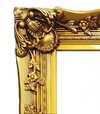
H24-GOLD zł30
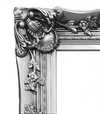
H24-SILVER zł30
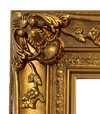
H36-GOLD zł45

H36-SILVER zł45
iii.
Niech stanie się Twoja
Obraz wykonany ręcznie może zostać stworzony na indywidualne zamówienie.
Po złożeniu zamówienia zespół WikiOO.org skontaktuje się z klientem drogą mailową w celu uzyskania instrukcji i prześle podgląd projektu
iv.
Wykończenie
Tabliczka znamionowa, werniks i dostawa.
Etykieta obiektu
Szczegóły grawerowanej brązowej tabliczki
This elegant plaque features the artist's name and the title of the artwork, finely engraved for a timeless presentation.
It is made from bronze with a refined, elegant finish. The text is precisely laser-engraved for a sharp and permanent result. Measuring 9x2 cm, the plaque is compact yet easy to read. It's built to be durable and scratch-resistant, offering a professional, museum-quality look. Mounting is simple thanks to the included adhesive backing.
Szczegóły przezroczystej tabliczki akrylowej
The plaque includes essential engraved details such as the artist's name, the title of the artwork, the date it was created, the type of media used-like oil on canvas or watercolor-a brief description of the piece, and a QR code that links to the complete artwork information.
It is crafted from clear acrylic, offering a sleek, modern appearance. The text is UV-engraved in black to ensure strong visual contrast. With a size of 10x15 cm, it ensures optimal readability. It comes equipped with two metal hooks for secure wall mounting. The plaque is designed to be weather-resistant, making it suitable for various environments, and it includes interactive features that work seamlessly with smartphone scanning.
Szczegóły czarnej tabliczki akrylowej
This elegant plaque includes engraved information such as the artist's name, the title of the artwork, the date it was created, the type of media used (like oil on canvas or watercolor), a short description of the artwork, and a QR code for quick access to more information.
The plaque itself is made from refined black acrylic with a premium finish. The text is laser-engraved in white for high contrast and readability. Its size is 10x15 cm, designed to be easy to read. It comes with two metal hooks for professional mounting. The design is sleek and fits any interior style. It is also weather-resistant and durable, with built-in digital integration for mobile compatibility.
Lakier ochronny
Produkcja ekspresowa
Dostawa na całym świecie () w ciągu 3–4 tygodni zamiast standardowych 5 tygodni. (16 Listopad). Bez kompromisów w kwestii jakości.
- Bezpłatna ekspresowa wysyłka na cały świat
- Wysokiej jakości płótno lniane
- Pełne ubezpieczenie przesyłki
- Gwarancja zwrotu należności celnych i podatków importowych
- Gwarancja wiernego odwzorowania kolorów
- 100-dniowa polityka zwrotów (tylko w przypadku wad)
- Gwarancja 100% zwrotu pieniędzy
- Zniżka przy zakupie wielu sztuk


Szybkie fakty i quiz o sztuce
Powiązane artykuły

The Dramatic Dialogue: Baroque Mannerism & the Synthesis of Emotion, Form, and Artistic Rebellion
Explore the dramatic world of Baroque Mannerism! Discover its history, iconic artists like Rubens & El Greco, and lasting influence on art. Expert insights for collectors & enthusiasts at WikiOO.

The Alchemy of Egg Tempera: Discovering the Luminous Art of Medieval Masterpieces
Explore the alchemy of egg tempera and medieval illumination mastery. Discover the luminous secrets of history's finest manuscripts.

Apollo’s Eternal Radiance: Tracing a Mythic Legacy from Ancient Greece to the Renaissance
Trace Apollo's mythic evolution from Greek sculpture to the Renaissance masters. Explore this timeless legacy with us.

Od Grandiozowości do Elegancji: Ewolucja Sztuki Baroku i Rokoka
Odkryj fascynującą ewolucję sztuki baroku i rokoka! Poznaj mistrzów, techniki i dramatyzm epoki. Inspiracje dla dekoracji wnętrz i reprodukcje najwyższej jakości na WikiOO.
Podobne dzieła


