
Flatford Mill (John Constable, 1817)

- 50.0 x 60.0 cm


Wersja olejowa malowana ręcznie: 28 x 36 cm za zł764
Dostępna również jako reprodukcja giclée od zł172
- Bezpłatna ekspresowa wysyłka na cały świat
- Dostawa w ciągu 4–5 tygodni
- 100 dni na zwrot, gwarancja zwrotu pieniędzy
- Ocena 4.9/5 na podstawie 241 opinii klientów w ArtShopReviews.com
 Podgląd w skali 1:1

 Wyślij jako kartkę
 Udostępnij
 Szczegóły dzieła
 Karta informacyjna


 Pobierz obraz
 Podobne obiekty
 RTG
 Pokaz slajdów
 Pytania i odpowiedzi

 Statystyki
Przyjrzyj się bliżej
Każdy detal, ręcznie malowane
Trzy fragmenty obrazu, powiększone. Nasi artyści ręcznie odtwarzają każdy z nich w wybranym przez Ciebie rozmiarze.
i.
Serce sceny.
ii.
Światło i tło
iii.
Sposób prowadzenia pędzla.
Obraz
Flatford Mill (John Constable): opis
A tranquil river scene with boats and a horse by the water's edge, rendered with thick impasto to capture the shifting light of the Stour Valley.
 Pełny artykuł o Flatford Mill
John Constable: biografia
Brytyjski romantyczny malarz pejzażu doliny rzeki Stour, znany z fakturalnego impasto i oddania zmiennego światła angielskiej wsi.
Identification of Flatford Mill by John Constable
Flatford Mill is an 1817 landscape painting by the British artist John Constable. This work offers a view of the mill located in East Bergholt on the River Stour. It is also known by the subtitle Scene on a Navigable River. The scene captures a specific moment in the rural landscape of the Stour Valley, focusing on the quiet activity surrounding the water's edge.
The painting was first presented to the public when it was displayed at the Royal Academy's Summer Exhibition at Somerset House in 1817. At that time, it established the artist's interest in the specific topography of his home region. The composition centers on the mill and the river, providing a detailed look at the relationship between the water and the surrounding land.
The Composition and Visual Elements
The composition pulls you into a world of lush greens and reflective waters. At the heart of the scene, the calm, reflective waters of the river act as a mirror to the lush, verdant banks. This interplay of light and liquid creates a sense of depth that draws the eye toward the center of the work. A moored boat and distant figures provide a gentle human connection to the vastness of the Suffolk countryside, grounding the landscape in a quiet, lived-in reality.
Several individuals stand near the water's edge, their presence adding a subtle layer of activity to the peaceful scene. On the left side of the image, a horse is positioned near the bank, its form integrated into the pastoral setting. Two boats are visible in the water; one is situated towards the center, while another rests slightly to the right. These elements, combined with the rhythmic presence of the river, establish a sense of harmony within the rural environment.
Technique and Artistic Materials
In this oil on canvas, one can sense the methodical preparation that preceded the final application of paint. Before committing to the large-scale composition, the artist relied on a foundation of oil sketches, graphite drawings, and watercolour studies. This disciplined approach allowed for a careful arrangement of the landscape's complexities. The resulting work possesses a physical weight, achieved through the use of thick impasto to build up texture across the surface. This tactile quality gives the river and the earth a sense of movement and life.
There is a particular luminosity in the way the light interacts with the water and the sky. This effect is achieved through the painstaking layering of thin glazes of paint. Such a technique allows light to penetrate the surface, creating an illusion of shimmering luminescence that mimics the shifting atmosphere of the Stour Valley. It is a quiet, deliberate mastery of light and shadow.
Historical Ownership and Collections
The provenance of this work is deeply connected to the artist's own legacy. It was eventually included as part of the Constable Bequest in 1888, ensuring its place within the public consciousness. This transition from private hands to a permanent collection secured its survival for future generations to study.
Today, the painting is held within the collection of Tate Britain. It is also part of the holdings at the Tate Gallery in London. These institutions maintain the work as a significant part of their English landscape holdings. Additionally, the National Trust holds a connection to the work through its stewardship of the surrounding landscapes and properties.
Related Works by John Constable
To understand the evolution of this artist, one might look toward his earlier explorations of the Stour Valley. In 1815, he produced Boat-building near Flatford Mill, a work that captures the rhythmic sounds of craftsmanship against a quiet river setting. This piece reflects his deep connection to the local landscape and the dignity of rural labor. It is a quiet study of the textures found in the Suffolk countryside.
His later compositions often expanded in scale and ambition. He moved toward larger canvases, such as The Hay Wain from 1821, which remains one of his most recognized depictions of the river. Other significant works include The Cornfield (1826) and The Lock (1824), both of which continue his investigation into the interplay of light and water. He also turned his attention to more architectural subjects, such as Salisbury Cathedral from the Meadows in 1831.
- Boat-building near Flatford Mill (1815)
- The Hay Wain (1821)
- The Lock (1824)
- The Cornfield (1826)
- Salisbury Cathedral from the Meadows (1831)
Where to See This Masterpiece Today
If you wish to experience the subtle shifts of light and the texture of the River Stour in person, you will find this work held within the collections of the Tate Gallery in London. It is part of the permanent collection at Tate Britain, where the painting is kept for public viewing. The work remains a significant part of the Tate Britain collection, allowing visitors to observe the specific impasto and the atmospheric perspective that Constable achieved in 1817.
The painting is situated in London, United Kingdom. It is housed within the Tate Gallery, London, providing a quiet space to study the relationship between the water and the sky. Being part of the Tate Britain collection, it is accessible to those who appreciate the nuances of the Romantic tradition in a museum setting.
Pytania i odpowiedzi
Czy ta reprodukcja Flatford Mill jest malowana ręcznie, czy jest to wydruk?
Malowane ręcznie: wykwalifikowany artysta wykonuje olejną kopię Flatford Mill na płótnie lnianym.
Jaki rozmiar wybrać dla Flatford Mill?
Wymiary oryginału to 50 x 60 cm. Dostępne rozmiary obejmują zakres od 28.2 x 35.5 cm (zł764) do 195.7 x 246.9 cm (zł8147); tabela na tej stronie przedstawia główne warianty oraz ich ceny.
Ile trwa dostawa?
Czas dostawy wynosi od 4 do 5 tygodni, przy czym oferujemy bezpłatną ekspresową wysyłkę na cały świat; na tej stronie dostępna jest również opcja pilnej produkcji. Możesz dokonać zwrotu w ciągu 100 dni z pełnym zwrotem kosztów, bez żadnych dodatkowych warunków.
Jakiej techniki użył/a John Constable w pracy Flatford Mill?
Oil On Canvas

John Constable
1776 - 1837, Wielka Brytania
Artysta malarz
O John Constable: życie, twórczość i biografia
Krótkie informacje o John Constable
- Artistic Movement Or Style: Romantyzm
- Artists Or Movements Influenced By This Artist: ['Szkoła Barbizońska']
- Artists Who Influenced This Artist: ['Claude Lorrain']
- Date Of Birth: 1776
- Date Of Death: 1837
- Full Name: John Constable
- Nationality: Brytyjska
- Notable Artworks:
- Wóz na siano
- Zamek Hadleigh
- Katedra w Salisbury z łąk
- Opactwo Netley
- Place Of Birth: East Bergholt, Wielka Brytania


Ręcznie malowana reprodukcja olejowa
Zamów obraz na zamówienie dla Ciebie
Ręcznie malowana reprodukcja olejowa
Ręcznie malowany obraz olejny na płótnie, wykonany na zamówienie przez naszych artystów w wybranym przez Ciebie wymiarze i oprawie. ( Wydruk giclée Wersja olejowa Wersja cyfrowa
)

Twoja prowizja

Flatford Mill
Technika reprodukcji
Wymiary reprodukcji
-

Wybitny mistrz artystyczny
Większa szczegółowość, finezja i dodatkowy czas na realizację
-

Opcje oprawy reprodukcji
-
-
W przypadku dzieł sztuki lub reprodukcji, których którykolwiek z boków przekracza 105 cm (około 41 cali), rama zostanie wysłana w formie zestawu do samodzielnego montażu. Metoda ta zapewnia bezpieczną dostawę i zapobiega uszkodzeniom podczas transportu.
Wymagany profesjonalny montaż – nie jest to produkt typu DIY.
Zestaw musi zostać złożony, a płótno naciągnięte przez doświadczonego profesjonalnego ramiarza, przy użyciu kleju do drewna (brak w zestawie), kleszczy do naciągania płótna oraz ścisków, które utrzymają krosna w równej pozycji podczas schnięcia kleju. Nieprawidłowy montaż lub nierównomierne napięcie płótna może trwale uszkodzić dzieło sztuki i nie podlega naszej gwarancji.
 W przypadku dzieł sztuki lub reprodukcji, których którykolwiek z boków przekracza 105 cm (około 41 cali), rama zostanie wysłana w formie zestawu do samodzielnego montażu. Metoda ta zapewnia bezpieczną dostawę i zapobiega uszkodzeniom podczas transportu.
W zestawie znajdują się wszystkie listwy z litego drewna, precyzyjnie docięte do wymiarów.
Montaż odbywa się przy użyciu dołączonych wkrętów oraz kleju do drewna do łączenia narożników, którego zestaw nie zawiera i który musi zostać dostarczony przez ramiarza.
Wymagane są profesjonalne narzędzia, których nie ma w zestawie: kleszcze do naciągania płótna (napinacz) oraz zaciski, które pozwolą utrzymać listwy w równej pozycji podczas schnięcia kleju.
Ważne:
Do połączenia narożników niezbędny jest klej do drewna, listwy należy unieruchomić za pomocą ścisków do momentu całkowitego wyschnięcia kleju, a naciągnięcie płótna na złożoną ramę wymaga użycia kleszczy do naciągania płótna. Żaden z tych elementów nie jest dołączony do zestawu. Przed zamówieniem tego rozmiaru zalecamy konsultację z doświadczonym ramiarzem.

Etykieta obiektu
-
-

Lakier ochronny
Lakier z połyskiem (pogłębia kolory, chroni przed światłem i wilgocią)
-

Personalizacja dzieła
Przykłady możliwości personalizacji: zastąp twarz zdjęciem klienta; dodaj zwierzę domowe (np. zamień kota na psa); umieść ukrytą wiadomość w tle; zmień krajobraz lub elementy tła.
-

Ekspresowa
Dostawa na cały świat () w ciągu 3/4 tygodni zamiast standardowych 4/5 tygodni (16 Grudzień). Bez kompromisów w kwestii jakości.
-
Przesyłka ekspresowa
Dostawa na cały świat () w ciągu 4-5 tygodni. (23 Grudzień).
W cenie
Cena całkowita
zł 1236
Opcja ze szkłem jest dostępna wyłącznie w rozmiarach poniżej 110 cm
i.
Skala
Oryginalny wymiar to 50.0 x 60.0 cm. Dopasuj do swojej ściany: każdy rozmiar zachowuje swoje proporcje.
Wybierz spośród naszych standardowych rozmiarów, które zachowują oryginalne proporcje dzieła sztuki.

Wpisz wymaganą szerokość i wysokość, aby obraz pasował do Twojej ramy lub ściany. Ponieważ jest to dzieło malowane ręcznie, w przypadku rozmiaru o innych proporcjach artysta może domalować nieco więcej wokół obrazu lub przyciąć jego fragmenty — wybór należy do Ciebie. Przed rozpoczęciem pracy prześlemy Ci cyfrową wizualizację do zatwierdzenia. Obraz widoczny na tej stronie nie przedstawia rzeczywistego efektu — jedynie wizualizacja oddaje realny rezultat.
ii.
Rama
Obramowanie jest naniesione na obraz w jego rzeczywistej szerokości.
W oprawie

Białe krawędzie zł1

rozmyte krawędzie zł1

Przedłużony zł1

P118B zł10

P118H zł10

P118W zł10

P438Z zł10

P508JH zł12

P508YH zł12

P805H zł10

P805Z zł10

P919BZ zł10

P919G zł10

P919XJ zł10

P959ZH zł10

P968JZ zł12

W106C zł8

W218G zł10

W218JH zł8

W218Y zł10

W307PJ zł10

W316G zł10

W316PJ zł8

W316Y zł10

W398PJ zł8

W4111J zł10

W500HY zł15

W500JH zł15

W692G zł12

W849H zł8

W940BG zł15

W953PJ zł8
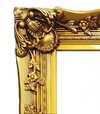
H24-GOLD zł30
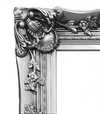
H24-SILVER zł30
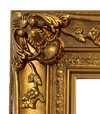
H36-GOLD zł70

H36-SILVER zł70
iii.
Niech stanie się Twoja
Obraz wykonany ręcznie może zostać stworzony na indywidualne zamówienie.
Po złożeniu zamówienia zespół WikiOO.org skontaktuje się z klientem drogą mailową w celu uzyskania instrukcji i prześle podgląd projektu
iv.
Wykończenie
Tabliczka znamionowa, werniks i dostawa.
Etykieta obiektu
Szczegóły grawerowanej brązowej tabliczki
Ta elegancka tabliczka zawiera imię i nazwisko artysty oraz tytuł dzieła, precyzyjnie wygrawerowane dla ponadczasowej prezentacji.
Wykonana z brązu o wyrafinowanym, eleganckim wykończeniu. Tekst jest precyzyjnie grawerowany laserowo, co zapewnia wyraźny i trwały efekt. Tabliczka o wymiarach 9x2 cm jest kompaktowa, a jednocześnie czytelna. Została zaprojektowana tak, aby była trwała i odporna na zarysowania, zapewniając profesjonalny wygląd o jakości muzealnej. Montaż jest prosty dzięki dołączonej taśmie mocującej.
Szczegóły przezroczystej tabliczki akrylowej
Tabliczka zawiera niezbędne grawerowane informacje, takie jak nazwisko artysty, tytuł dzieła, data powstania, rodzaj użytych materiałów – np. olej na płótnie lub akwarela – krótki opis pracy oraz kod QR prowadzący do pełnych informacji o dziele.
Wykonana z przezroczystego akrylu, zapewnia gładkie, nowoczesne wykończenie. Tekst jest grawerowany metodą UV w kolorze czarnym, co zapewnia wyraźny kontrast. Dzięki wymiarom 10x15 cm tabliczka zapewnia optymalną czytelność. Jest wyposażona w dwa metalowe uchwyty, które umożliwiają bezpieczny montaż na ścianie. Tabliczka jest odporna na warunki atmosferyczne, dzięki czemu nadaje się do ekspozycji w różnych miejscach, a także posiada funkcje interaktywne, które współpracują z telefonami komórkowymi po zeskanowaniu.
Szczegóły czarnej tabliczki akrylowej
Ta elegancka tabliczka zawiera wygrawerowane informacje, takie jak nazwisko artysty, tytuł dzieła, data powstania, technika wykonania (np. olej na płótnie lub akwarela), krótki opis utworu oraz kod QR umożliwiający szybki dostęp do dodatkowych informacji.
Tabliczka wykonana jest z wysokiej jakości czarnego akrylu o eleganckim wykończeniu. Tekst jest grawerowany laserowo na biało, co zapewnia wysoki kontrast i doskonałą czytelność. Tabliczka o wymiarach 10x15 cm została zaprojektowana tak, aby była łatwa do odczytania. W zestawie znajdują się dwa metalowe uchwyty umożliwiające profesjonalny montaż. Nowoczesny design sprawia, że tabliczka pasuje do każdego stylu wnętrza. Jest ona również odporna na warunki atmosferyczne i trwała, a dzięki wbudowanej integracji cyfrowej zapewnia kompatybilność z urządzeniami mobilnymi.
Lakier ochronny
Produkcja ekspresowa
Dostawa na cały świat () w 3/4 tygodnie zamiast standardowych 4/5 tygodni (16 Grudzień). Bez kompromisów w kwestii jakości.
- Bezpłatna ekspresowa wysyłka na cały świat
- Wysokiej jakości płótno lniane
- Pełne ubezpieczenie przesyłki
- Gwarancja zwrotu należności celnych i podatków importowych
- Gwarancja wiernego odwzorowania kolorów
- 100 dni na zwrot, gwarancja zwrotu pieniędzy
- Gwarancja 100% zwrotu pieniędzy
- Zniżka przy zakupie wielu sztuk


Szybkie fakty i quiz o sztuce
Powiązane artykuły

British artworks of the 1810s
British artworks from the 1810s featuring the sublime landscapes of J. M. W. Turner and John Constable. View the full collection at WikiOO.org.

25 Must-See Masterpieces at the Yale Center for British Art
Explore 25 iconic works from Turner to Hogarth at Yale Center for British Art. Discover every masterpiece on WikiOO.org.
Podobne dzieła


