


 Podgląd w skali 1:1

 Wyślij jako kartkę
 Udostępnij
 Szczegóły dzieła
 Przewodnik


 Pobierz obraz
 Podobne obiekty
 RTG
 Pokaz slajdów
 Pytania i odpowiedzi
 Statystyki
Przyjrzyj się bliżej
Każdy detal, ręcznie malowane
Trzy fragmenty obrazu, powiększone. Nasi artyści ręcznie odtwarzają każdy z nich w wybranym przez Ciebie rozmiarze.
i.
Serce sceny.
ii.
Światło i tło
iii.
Sposób prowadzenia pędzla.
Obraz
Opis obiektu
Odkryj "Pługorob" Jana Kromy – ikoniczny krajobraz z Norwich School, ukazujący życie rolnicze w Anglii. Szczegółowa malba olejna, mistrzostwo i nostalgia.
 Rozwiń treść
Biografia artysty
Odkryj 'Flatford Mill z języku' Johna Constablea – ikoniczny pejzaż romantyczny, uchwycony w mistrzowski sposób. Spokój wsi i piękno natury na wyciągnięcie ręki!
John Crome’s “The Ploughman”: A Window into Norfolk’s Soul
John Crome’s “The Ploughman,” painted around 1800, is far more than just a depiction of rural labor; it's a deeply evocative portrait of the East Anglian landscape and the enduring spirit of its people. This remarkable oil painting, now housed in private collections, offers a rare glimpse into a vanishing world – a time when agriculture dictated life’s rhythms and the connection between humanity and the land was profoundly intimate. Crome, a key figure in the celebrated Norwich School, masterfully captures not just the visual elements of this scene but also the palpable sense of history and hardship that permeates it.
- Subject Matter: The painting’s central focus – a solitary ploughman diligently working his field – was a recurring motif within British art during the late 18th and early 19th centuries. However, Crome elevates this familiar theme through an unparalleled level of detail and a profound understanding of human emotion. He doesn't present a heroic figure; instead, he portrays a man embodying tireless effort, inextricably linked to the soil and the changing seasons.
- Style: “The Ploughman” is a quintessential example of the Norwich School’s distinctive approach to landscape painting. Unlike many of their contemporaries who favored idealized landscapes, Crome presents a remarkably realistic portrayal of East Anglian farmland – rugged, beautiful, and undeniably challenging. The scene feels authentic, unvarnished, and deeply rooted in its specific location.
A Masterclass in Technique: Layer Upon Layer
Crome’s skill as a painter is immediately apparent through his masterful use of technique. He employed a remarkably layered approach to painting, building up the image through numerous thin glazes of oil paint – a characteristic hallmark of the Norwich School's meticulous style. This painstaking process allowed him to achieve astonishing tonal variations and subtle shifts in color, capturing the nuances of light and shadow on both the figures and the landscape with breathtaking accuracy. The brushwork is loose yet controlled, conveying not only the texture of the plowed earth but also the powerful movement of the horses pulling the plough.
Key Technical Elements:- Oil on Canvas: Crome utilized oil paints for their rich color saturation and ability to create smooth, blended surfaces – essential for achieving the depth and luminosity he sought.
- Glazing Technique: Multiple thin layers of translucent paint were applied to build up depth and luminosity, creating a sense of atmospheric perspective that draws the viewer into the scene.
- Detailed Observation: The artist’s meticulous attention to detail is evident in the rendering of textures – from the rough fabric of the ploughman's clothes to the furrowed earth – demonstrating an almost obsessive commitment to realism.
Symbolism and a Shifting Landscape
“The Ploughman” resonates with deeper symbolic meanings, reflecting the anxieties and uncertainties of the era. The solitary figure represents a traditional way of life under threat – a world rapidly changing due to industrialization and social upheaval. The vastness of the landscape emphasizes the individual’s vulnerability against the forces of nature and societal change. Crome's work can be interpreted as a quiet protest against these changes, a poignant reminder of the importance of sustainable practices and the dignity of manual labor. Painted during a period when agricultural reform was fiercely debated, the image subtly speaks to the enduring value of rural communities.
Historical Significance:- Norwich School: Crome’s painting is a cornerstone example of the Norwich School's focus on regional landscapes and realistic depictions of rural life.
- Social Commentary: The work subtly reflects concerns about social inequality and the impact of industrialization on traditional communities.
An Enduring Legacy
Ultimately, “The Ploughman” evokes a powerful sense of nostalgia and contemplation. It’s a painting that invites viewers to reflect on the profound relationship between humanity and nature, the value of hard work, and the relentless passage of time. Crome's ability to capture not just the physical appearance of the scene but also its emotional essence ensures that this work continues to resonate with audiences today – a timeless image of rural life imbued with both beauty and melancholy. It stands as a testament to his artistic skill and his profound understanding of the human condition, making it a truly exceptional piece of British art.
movement: topics: Rural Landscape, Agricultural Work, East Anglian Scene, 18th Century Art, British Painterry, Horse Drawn Plough, Norwich School Art creative_period: Mature Period corpus_context: Regional landscape focus, Norwich School traditions, East Anglian depiction, Rural labor themes, Crome’s artistic legacyPytania i odpowiedzi
W jaki sposób kolory dzieła „Pługorob” – John Crome korespondują z jego ładunkiem emocjonalnym?
„Pługorob” – John Crome łączy w sobie Barwy neutralne paletę barw z Sielankowy tonem.
Gdzie mogę kupić ręcznie malowaną reprodukcję dzieła „Pługorob” – John Crome?
"Pługorob" jest dostępny jako ręcznie malowana reprodukcja olejowa na płótnie lnianym. Zamówienie można złożyć na stronie Ręcznie malowana reprodukcja, wybierając preferowany rozmiar.
Jak mogę odkryć dzieła podobne do „Pługorob” – John Crome?
Dzieła podobne do „Pługorob” – John Crome można znaleźć na stronie Podobne dzieła danego dzieła.

John Crome
1768 - 1821, Wielka Brytania
Artysta malarz
Biografia artysty
A Norfolk Son: The Life and Art of John Crome
John Crome, affectionately known as “Old Crome” to distinguish him from his artist son, stands as a pivotal figure in British art history—a founder and leading light of the celebrated Norwich School. Born in 1768 in the bustling market town of Norwich, Norfolk, Crome’s journey was one of remarkable self-education and dedication, rising from humble beginnings to become a respected landscape painter who captured the very essence of his beloved East Anglian countryside. His father, a weaver, instilled a strong work ethic, but it was an apprenticeship with house, coach, and sign painter Francis Whisler that first nurtured Crome’s artistic inclinations, providing him with foundational skills in design and color. This practical training proved invaluable as he began to explore his passion for depicting the natural world around him. A formative friendship with Robert Ladbrooke, a fellow aspiring artist, further fueled his development; together they sketched en plein air, honing their observational abilities and sharing a burgeoning enthusiasm for art.Forging a Regional Identity: The Norwich School
Crome’s artistic trajectory was significantly shaped by the generosity of Thomas Harvey of Old Catton, who granted him access to his impressive art collection. This exposure to masterpieces by artists like Gainsborough and Hobbema proved transformative, providing Crome with crucial models for composition, light, and atmosphere. Further guidance came from established figures such as Sir William Beechey and John Opie, cementing his connection to the wider artistic community. However, it was in 1803 that Crome truly left his mark on the art world, co-founding the Norwich Society of Artists with Robert Ladbrooke. This bold initiative marked the formal beginning of the Norwich School—a groundbreaking movement that championed direct observation of nature and sought to capture the unique character of the Norfolk landscape, distinct from the prevailing artistic trends emanating from London. As a frequent president of the society, Crome became its driving force, fostering a community of like-minded painters dedicated to celebrating their regional identity. The Norwich School’s focus wasn't on grand historical scenes or idealized figures; instead, it celebrated the quiet beauty and subtle details of Norfolk’s rural life – the meandering rivers, ancient trees, humble farmhouses, and ever-changing skies.Romantic Sensibility and Artistic Influences
Crome’s style is characterized by a distinctly Romantic sensibility—an expressive brushwork, atmospheric depictions, and an emotional connection to the land. He was deeply rooted in Norfolk scenery, finding inspiration in its broad skies, winding rivers, ancient trees, and humble rural life. While he drew heavily from Dutch 17th-century masters like Hobbema – a lifelong admiration culminating in his famous last words, “Oh Hobbema, my dear Hobbema, how I have loved you!” – he also acknowledged the influence of Richard Wilson’s lyrical landscapes. Crome distinguished himself by being among the first English artists to accurately represent identifiable tree species, moving beyond generalized forms and demonstrating a keen botanical eye. Proficient in both watercolor and oil, he produced over 300 paintings throughout his career, each imbued with a sense of intimacy and authenticity. His works weren’t merely representations of places; they were evocations of mood and feeling, capturing the spirit of Norfolk with remarkable sensitivity. The use of light was particularly important to Crome, often employing subtle gradations to create a sense of depth and atmosphere.Major Works and Techniques
Crome's most celebrated works include "The Lime Kiln," a poignant depiction of a crumbling structure set against a dramatic sky; “Grove Scene,” showcasing the dappled light filtering through ancient trees; and “Mousehold Heath,” capturing the vastness and tranquility of the Norfolk landscape. His etchings, though unpublished during his lifetime, revealed another facet of his talent – a meticulous attention to detail and a masterful command of line. Crome’s technique was characterized by a loose, expressive brushstroke, often employing broken color and atmospheric perspective to create a sense of depth and distance. He favored working *en plein air* (outdoors), directly observing the landscape and capturing its essence in a single sitting. His paintings are notable for their quiet dignity and understated beauty – a testament to his ability to find poetry in the commonplace.Legacy and Lasting Impact
John Crome's contribution extended far beyond his artistic output. The Norwich School he helped establish fostered a distinct regional artistic identity, nurturing generations of painters who followed in his footsteps. Though initially facing some resistance from the London art establishment, Crome gained national recognition through thirteen exhibits at the Royal Academy between 1806 and 1818. His etchings, though unpublished during his lifetime, revealed another facet of his talent. A posthumous exhibition showcasing over 100 of his works underscored the esteem in which he was held by his peers. Even today, Crome’s legacy endures—not only through his paintings but also in the geographical landmarks that bear his name: Crome’s Broad and Crome ward stand as enduring testaments to his lasting impact on Norwich and Norfolk. His life serves as an inspiring example of how artistic vision, combined with a deep connection to one's surroundings, can create a body of work that resonates across generations. His work continues to captivate viewers with its quiet beauty, evocative atmosphere, and enduring connection to the heart of Norfolk.Krótkie informacje o John Crome
- Artistic Movement Or Style: Norwich School
- Artists Or Movements Influenced By This Artist: ['The Romantic School']
- Artists Who Influenced This Artist:
- Thomas Gainsborough
- Meindert Hobbema
- Date Of Birth: 1768
- Date Of Death: 1821
- Full Name: John Crome
- Nationality: Angielski
- Notable Artworks:
- Widok z Góry Wysoki
- St. John the Baptist w pustyni
- Place Of Birth: Norwich, UK

Ręcznie malowana reprodukcja olejowa
Zamów obraz na zamówienie dla Ciebie
Ręcznie malowana reprodukcja olejowa
Ręcznie malowany obraz olejny na płótnie, wykonany na zamówienie przez naszych artystów w wybranym przez Ciebie wymiarze i oprawie. ( Przełącz na wydania drukowane Przejdź do wersji cyfrowej)

Twoja prowizja

Pługorob
Technika reprodukcji
Wymiary reprodukcji
-

Wybitny mistrz artystyczny
Większa szczegółowość, finezja i dodatkowy czas na realizację
-

Opcje oprawy reprodukcji
-
-
W przypadku dzieł sztuki lub reprodukcji, których którykolwiek z boków przekracza 105 cm (około 41 cali), rama zostanie wysłana w formie zestawu do samodzielnego montażu. Metoda ta zapewnia bezpieczną dostawę i zapobiega uszkodzeniom podczas transportu.
Wymagany profesjonalny montaż – nie jest to produkt typu DIY.
Zestaw musi zostać złożony, a płótno naciągnięte przez doświadczonego profesjonalnego ramiarza, przy użyciu kleju do drewna (brak w zestawie), kleszczy do naciągania płótna oraz ścisków, które utrzymają krosna w równej pozycji podczas schnięcia kleju. Nieprawidłowy montaż lub nierównomierne napięcie płótna może trwale uszkodzić dzieło sztuki i nie podlega naszej gwarancji.
 W przypadku dzieł sztuki lub reprodukcji, których którykolwiek z boków przekracza 105 cm (około 41 cali), rama zostanie wysłana w formie zestawu do samodzielnego montażu. Metoda ta zapewnia bezpieczną dostawę i zapobiega uszkodzeniom podczas transportu.
W zestawie znajdują się wszystkie listwy z litego drewna, precyzyjnie docięte do wymiarów.
Montaż odbywa się przy użyciu dołączonych wkrętów oraz kleju do drewna do łączenia narożników, którego zestaw nie zawiera i który musi zostać dostarczony przez ramiarza.
Wymagane są profesjonalne narzędzia, których nie ma w zestawie: kleszcze do naciągania płótna (napinacz) oraz zaciski, które pozwolą utrzymać listwy w równej pozycji podczas schnięcia kleju.
Ważne:
Do połączenia narożników niezbędny jest klej do drewna, listwy należy unieruchomić za pomocą ścisków do momentu całkowitego wyschnięcia kleju, a naciągnięcie płótna na złożoną ramę wymaga użycia kleszczy do naciągania płótna. Żaden z tych elementów nie jest dołączony do zestawu. Przed zamówieniem tego rozmiaru zalecamy konsultację z doświadczonym ramiarzem.

Etykieta obiektu
-
-

Lakier ochronny
Lakier z połyskiem (pogłębia kolory, chroni przed światłem i wilgocią)
-

Personalizacja dzieła
Przykłady możliwości personalizacji: zastąp twarz zdjęciem klienta; dodaj zwierzę domowe (np. zamień kota na psa); umieść ukrytą wiadomość w tle; zmień krajobraz lub elementy tła.
-

Ekspresowa
Dostawa na cały świat () w ciągu 3–4 tygodni zamiast standardowych 5 tygodni. (18 Listopad). Bez kompromisów w kwestii jakości.
-
Przesyłka ekspresowa
Dostawa na cały świat () w ciągu 5 tygodni. (25 Listopad).
W cenie
Cena całkowita
zł 1033
Opcja ze szkłem jest dostępna wyłącznie w rozmiarach poniżej 110 cm
i.
Skala
Przesuń na swoją ścianę: każdy rozmiar zachowuje proporcje oryginału.
Wybierz spośród naszych standardowych rozmiarów, które zachowują oryginalne proporcje dzieła sztuki.

Wpisz wymaganą szerokość i wysokość, aby obraz pasował do Twojej ramy lub ściany. Ponieważ jest to dzieło malowane ręcznie, w przypadku rozmiaru o innych proporcjach artysta może domalować nieco więcej wokół obrazu lub przyciąć jego fragmenty — wybór należy do Ciebie. Przed rozpoczęciem pracy prześlemy Ci cyfrową wizualizację do zatwierdzenia. Obraz widoczny na tej stronie nie przedstawia rzeczywistego efektu — jedynie wizualizacja oddaje realny rezultat.
ii.
Rama
Obramowanie jest naniesione na obraz w jego rzeczywistej szerokości.
W oprawie

Białe krawędzie zł1

rozmyte krawędzie zł1

Przedłużony zł1

P118B zł10

P118H zł10

P118W zł10

P438Z zł10

P508JH zł12

P508YH zł12

P805H zł10

P805Z zł10

P919BZ zł10

P919G zł10

P919XJ zł10

P959ZH zł10

P968JZ zł12

W106C zł8

W218G zł10

W218JH zł8

W218Y zł10

W307PJ zł10

W316G zł10

W316PJ zł8

W316Y zł10

W398PJ zł8

W4111J zł10

W500HY zł15

W500JH zł15

W692G zł12

W849H zł8

W940BG zł15

W953PJ zł8
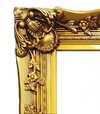
H24-GOLD zł30
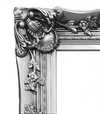
H24-SILVER zł30
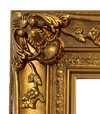
H36-GOLD zł45

H36-SILVER zł45
iii.
Niech stanie się Twoja
Obraz wykonany ręcznie może zostać stworzony na indywidualne zamówienie.
Po złożeniu zamówienia zespół WikiOO.org skontaktuje się z klientem drogą mailową w celu uzyskania instrukcji i prześle podgląd projektu
iv.
Wykończenie
Tabliczka znamionowa, werniks i dostawa.
Etykieta obiektu
Szczegóły grawerowanej brązowej tabliczki
This elegant plaque features the artist's name and the title of the artwork, finely engraved for a timeless presentation.
It is made from bronze with a refined, elegant finish. The text is precisely laser-engraved for a sharp and permanent result. Measuring 9x2 cm, the plaque is compact yet easy to read. It's built to be durable and scratch-resistant, offering a professional, museum-quality look. Mounting is simple thanks to the included adhesive backing.
Szczegóły przezroczystej tabliczki akrylowej
The plaque includes essential engraved details such as the artist's name, the title of the artwork, the date it was created, the type of media used-like oil on canvas or watercolor-a brief description of the piece, and a QR code that links to the complete artwork information.
It is crafted from clear acrylic, offering a sleek, modern appearance. The text is UV-engraved in black to ensure strong visual contrast. With a size of 10x15 cm, it ensures optimal readability. It comes equipped with two metal hooks for secure wall mounting. The plaque is designed to be weather-resistant, making it suitable for various environments, and it includes interactive features that work seamlessly with smartphone scanning.
Szczegóły czarnej tabliczki akrylowej
This elegant plaque includes engraved information such as the artist's name, the title of the artwork, the date it was created, the type of media used (like oil on canvas or watercolor), a short description of the artwork, and a QR code for quick access to more information.
The plaque itself is made from refined black acrylic with a premium finish. The text is laser-engraved in white for high contrast and readability. Its size is 10x15 cm, designed to be easy to read. It comes with two metal hooks for professional mounting. The design is sleek and fits any interior style. It is also weather-resistant and durable, with built-in digital integration for mobile compatibility.
Lakier ochronny
Produkcja ekspresowa
Dostawa na całym świecie () w ciągu 3–4 tygodni zamiast standardowych 5 tygodni. (18 Listopad). Bez kompromisów w kwestii jakości.
- Bezpłatna ekspresowa wysyłka na cały świat
- Wysokiej jakości płótno lniane
- Pełne ubezpieczenie przesyłki
- Gwarancja zwrotu należności celnych i podatków importowych
- Gwarancja wiernego odwzorowania kolorów
- 100-dniowa polityka zwrotów (tylko w przypadku wad)
- Gwarancja 100% zwrotu pieniędzy
- Zniżka przy zakupie wielu sztuk


Szybkie fakty i quiz o sztuce
Powiązane artykuły

Wiejskie Wizje w Sztuce: Od Arkadii do Społecznego Komentarza – Historia i Ewolucja Krajobrazu
Odkryj fascynującą historię malarstwa krajobrazowego – od arkadyjskich wizji po współczesne komentarze społeczne. Analiza dzieł, polskie i ukraińskie paralele artystyczne oraz wpływ ochrony przyrody na sztukę.

Romantic Realism's Finest: 10 Masterpieces for Your Home | WikiOO
Explore 10 defining masterpieces of Romantic Realism! Discover Courbet, Millet & Daumier's powerful paintings—capturing emotion and social realities. Find museum-quality reproductions for your home at WikiOO.org.

John Constable: Nature, Light & the Romantic Vision of Rural England
Explore the life & art of John Constable, the Romantic painter who revolutionized landscape with emotive scenes of rural England. Discover his techniques, legacy, and key works – perfect for collectors & enthusiasts.

Bovines in Brushstrokes: Capturing the Peaceful Spirit of Pastoral Art
Explore the mastery of pastoral art through Munnings and Cole. Discover the soul of the landscape today.
Podobne dzieła


