

 Zobacz w skali 1:1
 Wyślij
 Udostępnij
 Szczegóły
 Przewodnik

 Pobierz plik obrazu
 Podobne obiekty
 RTG
RTG Pokaz slajdów
 Statystyki
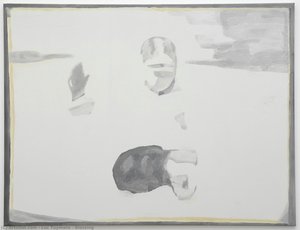
Three Figures


 Czytaj więcej
Dzieło sztuki prezentowane na tej stronie podlega ochronie prawem autorskim, co oznacza, że nie mamy prawa do tworzenia ani sprzedaży jego identycznej reprodukcji. Ochrona ta jest egzekwowana na mocy umów międzynarodowych, takich jak Konwencja berneńska oraz przez przepisy prawa krajowego, w tym te określone w Prawo autorskie USA – Tytuł 17.
Metoda ta jest w pełni zgodna z przepisami prawa autorskiego, ponieważ nie polega na kopiowaniu ani powielaniu chronionego dzieła. Stanowi ona kreatywną reinterpretację – nowy obraz, który czerpie inspirację z oryginału, ale nie jest z nim tożsamy.
Giclée / Wydruk artystyczny
Wydruki giclée lub płótna o jakości muzealnej, szybka realizacja i szeroki wybór opcji wykończenia. ( Kup ręcznie malowany obraz Przełącz na wersję cyfrową)




P118B zł10

P118H zł10

P118W zł10

P438Z zł10

P508JH zł12

P508YH zł12

P805H zł10

P805Z zł10

P919BZ zł10

P919G zł10

P919XJ zł10

P959ZH zł10

P968JZ zł12

W106C zł8

W218G zł10

W218JH zł8

W218Y zł10

W307PJ zł10

W316G zł10

W316PJ zł8

W316Y zł10

W398PJ zł8

W4111J zł10

W500HY zł15

W500JH zł15

W692G zł12

W849H zł8

W940BG zł15

W953PJ zł8




Wybierz spośród naszych standardowych rozmiarów, które zachowują oryginalne proporcje dzieła sztuki.

Wpisz wymaganą szerokość i wysokość, aby dopasować grafikę do ramy lub ściany. Wydruk można jedynie przyciąć, nigdy nie powiększając go poza oryginalny obraz, dlatego format o innym proporcji spowoduje utratę części kompozycji. Przed rozpoczęciem druku prześlemy Ci cyfrowy podgląd do zatwierdzenia. Obraz wyświetlany na tej stronie nie pokazuje rzeczywistego przycięcia — jedynie podgląd oddaje ten efekt.
Dostawa na cały świat () w ciągu 2 tygodni zamiast standardowych 4/5 tygodni. (22 Październik)

Bezpłatna ekspresowa wysyłka na cały świat

Wysokiej jakości płótno lniane

Pełne ubezpieczenie transportowe

Gwarancja zwrotu należności celnych i podatków importowych

Gwarancja idealnego odwzorowania barw

100-dniowy okres na zwrot dzieła w przypadku wykrycia wad produkcyjnych

Gwarancja 100% zwrotu pieniędzy

Oferta przy zakupie wielu sztuk
 Opcja ze szkłem jest dostępna wyłącznie w rozmiarach poniżej 110 cm

Three Figures
Giclée / Wydruk artystyczny
Rozmiar reprodukcji
-


Suma do zapłaty
zł 234
The Fragmented Echoes of Connection
Lorna Simpson’s 'Three Figures' invites the viewer into a deeply contemplative space, presenting not a clear portrait, but an evocative meditation on connection itself. The overall impression is one of beautiful rupture—a gathering of forms that are simultaneously present and dissolving. Displayed against a muted gallery backdrop, the work immediately commands attention with its ambiguous narrative. It speaks to those moments in human experience where relationships feel both profoundly supportive and inherently fragile, captured here through an almost dreamlike, surreal lens.
A Study in Abstraction and Gesture
Technically, the piece operates at a fascinating intersection between figuration and pure abstraction. While three distinct figures are discernible—seemingly linked by the gesture of holding hands—they are rendered not with solid outlines, but through loose, gestural brushstrokes that bleed across the canvas. The palette is dominated by a sophisticated grayscale symphony: varying shades of black, white, and gray that allow light and shadow to become primary subjects. This monochromatic restraint forces the eye to focus entirely on texture and movement. The visible layering of paint suggests an accumulation of memory or experience, giving the surface a rich, tactile history.
Contextualizing Identity Through Art
To understand 'Three Figures' is to appreciate Simpson’s lifelong interrogation of representation. While her early work often focused on the photographic documentation of race and gender, this painting translates that critical impulse into paint. The fragmentation of the human form echoes her broader artistic concern: that identity, like memory, is rarely whole or easily captured. Instead, it exists in these beautiful, incomplete fragments—the gestures, the partial outlines, the moments caught between one thought and the next. It challenges the viewer to look past what they expect to see and instead feel the underlying currents of connection.
Emotional Resonance for the Modern Space
For the collector or designer seeking a piece that transcends mere decoration, 'Three Figures' offers profound emotional depth. Its ambiguity means it will converse with any interior setting, absorbing the light and mood of its surroundings while simultaneously injecting a sense of intellectual poetry. The feeling evoked is one of poignant support—the quiet understanding shared between people who know each other deeply, yet whose individual selves remain beautifully undefined. It is art that whispers rather than shouts, perfect for a sophisticated living area or an artistic study where contemplation is encouraged.
Pytania i odpowiedzi
Jakie pochodzenie narodowe stoi za Abstract Expressionism dzieła "Three Figures"?
Dzieło z nurtu Abstract Expressionism, zatytułowane "Three Figures", zostało stworzone przez artystę urodzonego w United States of America.
Jaki ładunek emocjonalny niesie ze sobą „Three Figures” autorstwa Lorna Simpson?
„Three Figures” budzi Reflective uczucia. Ton emocjonalny opisuje wrażenie, jakie wywołuje to dzieło.
Jaki klimat wprowadziłaby do wnętrza reprodukcja „Three Figures” autorstwa Lorna Simpson?
Dzięki swojemu Calm nastrojowi, "Three Figures" idealnie sprawdzi się w Living Room.
Podobne dzieła




Biografia artysty
Lorna Simpson: Unraveling Identity Through Image and Word
Born in Brooklyn, New York, in 1960, Lorna Simpson stands as a towering figure in contemporary American art—a photographer and multimedia artist whose work has profoundly interrogated the complexities of identity, gender, race, and history. Her career, blossoming in the late 1980s and early 1990s, quickly established her as a vital voice challenging conventional representations within photography and broader cultural discourse. Simpson’s journey is one of persistent questioning, innovative techniques, and a commitment to revealing the often-hidden narratives embedded within seemingly straightforward images.
Simpson's formative years were steeped in artistic exposure. Her parents, a Jamaican-Cuban father and an African-American mother, fostered a deep appreciation for the arts from a young age, taking her regularly to plays, museums, concerts, and dance performances. This early immersion profoundly shaped her perspective and fueled a desire to explore themes of representation and social commentary through her own creative lens. She honed her skills at the High School of Art and Design before pursuing formal education at the School of Visual Arts in New York City and later earning an MFA from the University of California, San Diego. It was during this period that she began experimenting with combining photography with text—a signature technique that would become central to her artistic practice. Early influences included conceptual art pioneers like Allan Kaprow and the work of filmmakers Jean-Pierre Gorin, whose strategies for manipulating image and narrative resonated deeply with Simpson’s own ambitions.
The Power of the Photo-Text Installation
Simpson's breakthrough came with photo-text installations such as Guarded Conditions (1987) and Square Deal (1988). These works, often featuring photographs of unidentified Black figures accompanied by carefully chosen words, directly confronted stereotypes surrounding African American women in American culture. By decoupling the image from a singular, fixed meaning through the addition of text, she forced viewers to confront their own biases and the ways in which language can both construct and deconstruct identity. This method of interrogating the gaze became her hallmark, turning the act of looking into an analytical process.
Her practice expanded far beyond the confines of traditional photography, embracing film, sculpture, and installation to create immersive environments. In these works, the interplay between what is seen and what is read creates a tension that mirrors the fragmented nature of memory and history. Through her use of silence and absence, she invites the audience to fill in the gaps, making the viewer an active participant in the construction of meaning.
Legacy and Historical Significance
The historical significance of Lorna Simpson's contribution to the art world cannot be overstated. She broke significant barriers, notably becoming the first African-American woman to represent the United States at the Venice Biennale in 1990. This milestone marked a pivotal moment in the recognition of Black female perspectives within the global contemporary art canon.
Her enduring impact can be seen through several key achievements:
- Redefining Photography: Moving the medium away from mere documentation toward a conceptual tool for social critique.
- Intersectionality in Art: Pioneering an approach that simultaneously addresses race, gender, and class, providing a blueprint for subsequent generations of multimedia artists.
- Cultural Discourse: Forcing a confrontation with the historical erasure of Black identities within American visual culture.
Today, Simpson's work continues to resonate as a profound meditation on the human condition. Her ability to weave together the visceral impact of the image with the intellectual weight of the word ensures that her art remains not just a reflection of history, but an active force in shaping our understanding of it.

Lorna Simpson
1960 - , United States of America
Najważniejsze informacje
- Full Name: Lorna Simpson
- Photo-Text: Multimedia art
- Nationality: American
- Identity Art: Notable artworks
- Date Of Birth: 1960
- Place Of Birth: Brooklyn, United States of America
- Artistic Movement Or Style: Conceptual photography”
- Artists Or Movements Influenced By This Artist:
- David Hammons
- Afrofuturism
- Guarded Conditions",
"Square Deal",
"Slip (Left) & Suspended (Right)"
],
"Artists Who Influenced This Artist:
- Allan Kaprow
- Eleanor Antin
Zobacz także powiązane artykuły

Top 10 arcydzieł ekspresjonizmu abstrakcyjnego – inspiracje dla Twojego wnętrza | WikiOO.org
Odkryj 10 arcydzieł ekspresjonizmu abstrakcyjnego – Pollock, Rothko, de Kooning i inni. Poznaj historie artystów, techniki i inspiracje dla Twojego wnętrza. Reprodukcje najwyższej jakości na WikiOO.org!

Aaron Siskind: Deconstructing Reality – A Photographic Exploration of Texture, Form & the Abstract Landscape
Explore the transformative journey of Aaron Siskind, from social realism to pioneering abstract photography. Discover his iconic series & lasting influence on modern art. A guide for collectors.

Geometria Sztuki: 10 Arcydzieł Abstrakcji Geometrycznej | WikiOO.org
Odkryj 10 arcydzieł abstrakcji geometrycznej! Poznaj historię Mondriana, Kandinskiego i Maleвича. Inspiracje wnętrzarskie z malarstwem abstrakcyjnym – reprodukcje najwyższej jakości na WikiOO.org. Eksploruj kolekcję online!

Lyrical Abstraction: The Emotional Power of Color and Form in Modern Art History
Explore the profound emotional depth of Lyrical Abstraction. Discover how masters like Raymond Parker used color and form to bridge Impressionism and Abstract Expressionism. Learn about this pivotal movement through our expert-led art history guide.

25 Arcydzieł Kandinskiego: Kolor, Duchowość i Abstrakcja w Twoim Domu | WikiOO.org
Odkryj 25 arcydzieł Wassily Kandinskiego – pioniera abstrakcji i ekspresjonizmu! Poznaj historie, techniki i emocje kryjące się za jego kolorowymi kompozycjami. Reprodukcje obrazów najwyższej jakości na WikiOO.org. Eksploruj pełną kolekcję online!
