


 Wyślij jako kartkę
 Udostępnij
 Szczegóły dzieła
 Przewodnik

 Pobierz obraz
 Podobne obiekty
 Pokaz slajdów
 Pytania i odpowiedzi
 Statystyki
Przyjrzyj się bliżej
Każdy detal, ręcznie malowane
Trzy fragmenty obrazu, powiększone. Nasi artyści ręcznie odtwarzają każdy z nich w wybranym przez Ciebie rozmiarze.
i.
Serce sceny.
ii.
Światło i tło
iii.
Sposób prowadzenia pędzla.
Obraz
Opis obiektu
A captivating wooden carved face mask featuring a smiling mouth by Jamaican sculptor Ron Clive Moody from 1937 showcases masterful use of wood grain and invites you to explore this unique piece of modern art history.
 Rozwiń treść
Biografia artysty
Discover Ron Clive Moody's captivating Jamaican wood sculptures! Inspired by British art, his works—like Midonz & Savacou—are showcased in London & Jamaica.
The Soul in the Grain
To look at this piece is to witness a profound metamorphosis of purpose. Created in 1937, L'Homme emerges from a period when Ron Clive Moody was transitioning from the clinical precision of dentistry to the tactile, demanding reality of woodcarving. There is a certain anatomical intelligence in the way the features are structured, a subtle nod to his medical training that lends the face a structural integrity. The work is carved from oak, a material that requires a firm hand and a deep understanding of resistance. He did not merely shape the wood; he listened to it. The grain of the oak is utilized to define the contours of the face, allowing the natural growth rings of the tree to inform the character of the mask. It is a quiet dialogue between the sculptor and the organic material.
The mask presents a smiling mouth and intricately carved eyes and nose, creating a presence that feels both ancient and immediate. There is a rhythmic quality to the carving, where the interplay of light and shadow across the brown tones of the wood suggests a living breath. It avoids the static nature of many traditional masks, opting instead for a sense of movement held within the stillness of the timber.
A Synthesis of Form
The origins of this aesthetic lie in the encounter with non-Western art, specifically the powerful, symbolic forms found in the British Museum's collections. Moody’s approach to L'Homme reflects a synthesis of his Jamaican roots and his European training. He found a spiritual blueprint in the rhythmic strength of African and indigenous carvings, yet the result is distinctly his own. The work bridges the gap between Caribbean identity and international modernism through its material honesty. He describes wood as a difficult material, one that demands a form, and in this carving, the form seems to have been discovered within the oak rather than imposed upon it.
There is an intimacy in the texture of the surface. The way the chisel has moved across the wood creates a sense of volume that is felt as much as it is seen. It is a work of presence, an evocation of a face that exists in the space between the natural world and the human spirit. Through this piece, the sculptor demonstrates how a single block of wood can be transformed into a vessel for human emotion, using the very essence of the tree to give life to the subject.
Pytania i odpowiedzi
Czy „L” – Ron Clive Moody to obraz, rysunek czy grafika?
W katalogu dzieło „L” – Ron Clive Moody zostało sklasyfikowane jako Sculpture. Kategoria ta ułatwia odnajdywanie podobnych prac.
Czy dostępna jest prezentacja w formie pokazu slajdów dla „L” – Ron Clive Moody?
Prezentację slajdów utworu "L" można obejrzeć na stronie Prezentacja slajdów tego dzieła.
Jak mogę pobrać obraz „L” – Ron Clive Moody?
Możliwość pobrania dzieła „L”: strona Pobierz plik cyfrowy oferuje wysokiej rozdzielczości cyfrowe zdjęcie do pobrania.
Ten utwór podlega ochronie prawem autorskim
Dzieło sztuki prezentowane na tej stronie podlega ochronie prawem autorskim, co oznacza, że nie mamy prawa do tworzenia ani sprzedaży jego identycznej reprodukcji. Ochrona ta jest egzekwowana na mocy umów międzynarodowych, takich jak Konwencja berneńska oraz przez przepisy prawa krajowego, w tym te określone w Prawo autorskie USA – Tytuł 17.
Jako pełną szacunku i legalną alternatywę oferujemy personalizowane, malowane ręcznie dzieła sztuki inspirowane oryginałem. Nasi wykwalifikowani i profesjonalni artyści starannie analizują styl, nastrój oraz artystyczną esencję pierwowzoru, aby stworzyć nowe, unikalne dzieło, które przywołuje te same emocje – pozostając jednocześnie w pełni oryginalną kreacją.
Metoda ta jest w pełni zgodna z przepisami prawa autorskiego, ponieważ nie polega na kopiowaniu ani powielaniu chronionego dzieła. Stanowi ona kreatywną reinterpretację – nowy obraz, który czerpie inspirację z oryginału, ale nie jest z nim tożsamy.

Ron Clive Moody
1900 - 1984, Jamaica
Artysta malarz
Biografia artysty
The Soul in the Grain: The Life and Legacy of Ron Clive Moody
Born on August 12, 1900, in the vibrant heart of Kingston, Jamaica, Ron Clive Moody was a sculptor whose hands possessed the rare ability to breathe life into the silent medium of wood. While his early path seemed destined for the clinical precision of medicine—having moved to England in 1923 to pursue dentistry at King's College London—his spirit was irrevocably drawn to the tactile and the expressive. After earning his degree in 1930, Moody underwent a profound metamorphosis, setting aside the scalpel for the chisel. This transition from the scientific to the sculptural allowed him to approach his medium with a unique blend of anatomical understanding and raw, creative intuition.
The genesis of Moody's aesthetic was deeply rooted in his encounters with the British Museum’s vast collection of non-Western art. These ancient, powerful forms provided a spiritual blueprint for his burgeoning style. He found himself captivated by the rhythmic strength and symbolic depth of African and indigenous carvings, which inspired him to teach himself the intricate complexities of woodcarving. His first significant carved figure, Wohin, emerged in 1934, marking the beginning of a prolific career that would bridge the gap between Caribbean identity and international modernism.
Mastery of Form and Symbolism
Moody’s artistic development was characterized by an extraordinary ability to manipulate texture and volume. His sculptures are not merely representations but are evocations of presence. Through his mastery of wood, he captured the essence of human emotion and cultural narrative. His works often possess a rhythmic, organic quality that suggests movement even within the stillness of the grain. This is perhaps most evident in his celebrated pieces such as Midonz (1937) and the profound Savacou (1964), where the interplay of light and shadow on the carved surfaces creates a sense of living breath.
The significance of his work lies in its ability to transcend geographical boundaries. While deeply influenced by the ancestral echoes found in non-Western art, Moody’s voice was distinctly his own—a synthesis of his Jamaican heritage and his European training. His sculptures serve as a testament to the power of cultural fusion, standing as monumental achievements in 20th-century woodcarving. The following elements define his artistic essence:
- Materiality: An intimate, almost spiritual connection to the natural textures of wood.
- Cultural Synthesis: The seamless blending of Caribbean sensibilities with the formal traditions of global non-Western art.
- Anatomical Precision: A subtle nod to his medical training, visible in the structural integrity of his figures.
A Lasting Impression on the Art World
Throughout his life, Ron Clive Moody achieved a level of recognition that placed his work in some of the most prestigious institutions in the world. His sculptures are not merely objects of beauty but historical artifacts that reside within the National Portrait Gallery and Tate Britain in London, as well as the National Gallery of Jamaica. These placements ensure that his contribution to the sculptural canon remains accessible to scholars and art lovers alike, bridging the Atlantic through his carved legacies.
Beyond his individual achievements, Moody belonged to a family of significant intellectual influence, being the brother of the renowned anti-racist campaigner Harold Moody and the award-winning physiologist Ludlow Moody. When he passed away on February 6, 1984, at the age of 83, he left behind more than just a collection of carvings; he left a legacy of transformation. His journey from a dental student to a master sculptor remains an inspiring narrative of following one's true calling, proving that art is not just something one makes, but something one becomes.
Krótkie informacje o Ron Clive Moody
- Nationality: American
- Date Of Birth: 1900
- Date Of Death: 1984
- Place Of Birth: Kingston, Jamaica
Ręcznie malowana reprodukcja olejowa
Zamów obraz na zamówienie dla Ciebie
Ręcznie malowana reprodukcja olejowa
Ręcznie malowany obraz olejny na płótnie, wykonany na zamówienie przez naszych artystów w wybranym przez Ciebie wymiarze i oprawie. ( Przełącz na wydania drukowane Przejdź do wersji cyfrowej)

Twoja prowizja

L
Technika reprodukcji
Wymiary reprodukcji
-

Wybitny mistrz artystyczny
Większa szczegółowość, finezja i dodatkowy czas na realizację
-

Opcje oprawy reprodukcji
-
-
W przypadku dzieł sztuki lub reprodukcji, których którykolwiek z boków przekracza 105 cm (około 41 cali), rama zostanie wysłana w formie zestawu do samodzielnego montażu. Metoda ta zapewnia bezpieczną dostawę i zapobiega uszkodzeniom podczas transportu.
Wymagany profesjonalny montaż – nie jest to produkt typu DIY.
Zestaw musi zostać złożony, a płótno naciągnięte przez doświadczonego profesjonalnego ramiarza, przy użyciu kleju do drewna (brak w zestawie), kleszczy do naciągania płótna oraz ścisków, które utrzymają krosna w równej pozycji podczas schnięcia kleju. Nieprawidłowy montaż lub nierównomierne napięcie płótna może trwale uszkodzić dzieło sztuki i nie podlega naszej gwarancji.
 W przypadku dzieł sztuki lub reprodukcji, których którykolwiek z boków przekracza 105 cm (około 41 cali), rama zostanie wysłana w formie zestawu do samodzielnego montażu. Metoda ta zapewnia bezpieczną dostawę i zapobiega uszkodzeniom podczas transportu.
W zestawie znajdują się wszystkie listwy z litego drewna, precyzyjnie docięte do wymiarów.
Montaż odbywa się przy użyciu dołączonych wkrętów oraz kleju do drewna do łączenia narożników, którego zestaw nie zawiera i który musi zostać dostarczony przez ramiarza.
Wymagane są profesjonalne narzędzia, których nie ma w zestawie: kleszcze do naciągania płótna (napinacz) oraz zaciski, które pozwolą utrzymać listwy w równej pozycji podczas schnięcia kleju.
Ważne:
Do połączenia narożników niezbędny jest klej do drewna, listwy należy unieruchomić za pomocą ścisków do momentu całkowitego wyschnięcia kleju, a naciągnięcie płótna na złożoną ramę wymaga użycia kleszczy do naciągania płótna. Żaden z tych elementów nie jest dołączony do zestawu. Przed zamówieniem tego rozmiaru zalecamy konsultację z doświadczonym ramiarzem.

Etykieta obiektu
-
-

Lakier ochronny
Lakier z połyskiem (pogłębia kolory, chroni przed światłem i wilgocią)
-

Personalizacja dzieła
Przykłady możliwości personalizacji: zastąp twarz zdjęciem klienta; dodaj zwierzę domowe (np. zamień kota na psa); umieść ukrytą wiadomość w tle; zmień krajobraz lub elementy tła.
-

Ekspresowa
Dostawa na cały świat () w ciągu 3–4 tygodni zamiast standardowych 5 tygodni. (10 Listopad). Bez kompromisów w kwestii jakości.
-
Przesyłka ekspresowa
Dostawa na cały świat () w ciągu 5 tygodni. (17 Listopad).
W cenie
Cena całkowita
zł 1038
Opcja ze szkłem jest dostępna wyłącznie w rozmiarach poniżej 110 cm
i.
Skala
Przesuń na swoją ścianę: każdy rozmiar zachowuje proporcje oryginału.
Wybierz spośród naszych standardowych rozmiarów, które zachowują oryginalne proporcje dzieła sztuki.

Wpisz wymaganą szerokość i wysokość, aby obraz pasował do Twojej ramy lub ściany. Ponieważ jest to dzieło malowane ręcznie, w przypadku rozmiaru o innych proporcjach artysta może domalować nieco więcej wokół obrazu lub przyciąć jego fragmenty — wybór należy do Ciebie. Przed rozpoczęciem pracy prześlemy Ci cyfrową wizualizację do zatwierdzenia. Obraz widoczny na tej stronie nie przedstawia rzeczywistego efektu — jedynie wizualizacja oddaje realny rezultat.
ii.
Rama
Obramowanie jest naniesione na obraz w jego rzeczywistej szerokości.
W oprawie

Białe krawędzie zł1

rozmyte krawędzie zł1

Przedłużony zł1

P118B zł10

P118H zł10

P118W zł10

P438Z zł10

P508JH zł12

P508YH zł12

P805H zł10

P805Z zł10

P919BZ zł10

P919G zł10

P919XJ zł10

P959ZH zł10

P968JZ zł12

W106C zł8

W218G zł10

W218JH zł8

W218Y zł10

W307PJ zł10

W316G zł10

W316PJ zł8

W316Y zł10

W398PJ zł8

W4111J zł10

W500HY zł15

W500JH zł15

W692G zł12

W849H zł8

W940BG zł15

W953PJ zł8

H24-GOLD zł30

H24-SILVER zł30

H36-GOLD zł45

H36-SILVER zł45
iii.
Niech stanie się Twoja
Obraz wykonany ręcznie może zostać stworzony na indywidualne zamówienie.
Po złożeniu zamówienia zespół WikiOO.org skontaktuje się z klientem drogą mailową w celu uzyskania instrukcji i prześle podgląd projektu
iv.
Wykończenie
Tabliczka znamionowa, werniks i dostawa.
Etykieta obiektu
Szczegóły grawerowanej brązowej tabliczki
This elegant plaque features the artist's name and the title of the artwork, finely engraved for a timeless presentation.
It is made from bronze with a refined, elegant finish. The text is precisely laser-engraved for a sharp and permanent result. Measuring 9x2 cm, the plaque is compact yet easy to read. It's built to be durable and scratch-resistant, offering a professional, museum-quality look. Mounting is simple thanks to the included adhesive backing.
Szczegóły przezroczystej tabliczki akrylowej
The plaque includes essential engraved details such as the artist's name, the title of the artwork, the date it was created, the type of media used-like oil on canvas or watercolor-a brief description of the piece, and a QR code that links to the complete artwork information.
It is crafted from clear acrylic, offering a sleek, modern appearance. The text is UV-engraved in black to ensure strong visual contrast. With a size of 10x15 cm, it ensures optimal readability. It comes equipped with two metal hooks for secure wall mounting. The plaque is designed to be weather-resistant, making it suitable for various environments, and it includes interactive features that work seamlessly with smartphone scanning.
Szczegóły czarnej tabliczki akrylowej
This elegant plaque includes engraved information such as the artist's name, the title of the artwork, the date it was created, the type of media used (like oil on canvas or watercolor), a short description of the artwork, and a QR code for quick access to more information.
The plaque itself is made from refined black acrylic with a premium finish. The text is laser-engraved in white for high contrast and readability. Its size is 10x15 cm, designed to be easy to read. It comes with two metal hooks for professional mounting. The design is sleek and fits any interior style. It is also weather-resistant and durable, with built-in digital integration for mobile compatibility.
Lakier ochronny
Produkcja ekspresowa
Dostawa na całym świecie () w ciągu 3–4 tygodni zamiast standardowych 5 tygodni. (10 Listopad). Bez kompromisów w kwestii jakości.
- Bezpłatna ekspresowa wysyłka na cały świat
- Wysokiej jakości płótno lniane
- Pełne ubezpieczenie przesyłki
- Gwarancja zwrotu należności celnych i podatków importowych
- Gwarancja wiernego odwzorowania kolorów
- 100-dniowa polityka zwrotów (tylko w przypadku wad)
- Gwarancja 100% zwrotu pieniędzy
- Zniżka przy zakupie wielu sztuk


Szybkie fakty i quiz o sztuce
Powiązane artykuły

Top 10 Sławnych Obrazów w Odcieniach Różu i Brązu | WikiOO.org
Odkryj 10 najsłynniejszych obrazów w odcieniach różu i brązu! Poznaj historie artystów, techniki malarskie i inspiracje z epoki romantyzmu i impresjonizmu. Reprodukcje najwyższej jakości na WikiOO.org – idealne do Twojego wnętrza.

10 Arcydzieł w Odcieniach Piasku: Inspiracje dla Wnętrz od WikiOO
Odkryj 10 arcydzieł malarstwa w odcieniach piasku! Poznaj historie Van Gogha, Moneta i Rembrandta. Inspiracje do wnętrz z beżowymi pejzażami i portretami. Reprodukcje obrazów najwyższej jakości na WikiOO.org
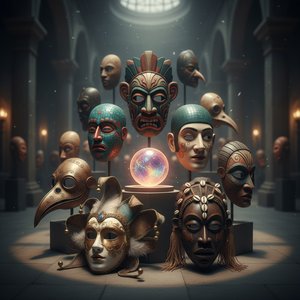
Unveiling the Mystery: A Journey Through the World's Most Iconic Mask Artworks
Embark on a profound journey through the world's most iconic mask artworks. Explore the spiritual depth, intricate craftsmanship, and rich cultural heritage of global traditions, from Chhau to Gomira, in this expert-led exploration of ancestral artistry and symbolic beauty.

Top 10 Słynnych Obrazów w Odcieniach Piaskowego Brązu – Sztuka i Dekoracja Domu
Odkryj 10 słynnych obrazów w ciepłych odcieniach piaskowego brązu! Poznaj historie artystów, techniki i inspiracje klasycznych dzieł. Reprodukcje najwyższej jakości na WikiOO.org – idealne do Twojego wnętrza. Eksploruj kolekcję online!
Podobne dzieła


