

- 50.0 x 50.0 cm


 Podgląd w skali 1:1

 Wyślij jako kartkę
 Udostępnij
 Szczegóły dzieła
 Przewodnik


 Pobierz obraz
 Podobne obiekty
 RTG
 Pokaz slajdów
 Pytania i odpowiedzi
 Statystyki
Przyjrzyj się bliżej
Każdy detal, ręcznie malowane
Trzy fragmenty obrazu, powiększone. Nasi artyści ręcznie odtwarzają każdy z nich w wybranym przez Ciebie rozmiarze.
i.
Serce sceny.
ii.
Światło i tło
iii.
Sposób prowadzenia pędzla.
Obraz
Opis obiektu
Explore Theo van Doesburg's 'Composition with half values,' a pivotal De Stijl masterpiece from 1928. Geometric abstraction & limited color define this iconic work now at Kunstmuseum Basel.
 Rozwiń treść
Biografia artysty
Theo van Doesburg – rewolucjonista sztuki! Założyciel De Stijl, pionier abstrakcji geometrycznej i architekt wizji harmonijnego świata. Jego dzieła inspirują do dziś!
Composition with Half Values: A De Stijl Masterpiece
Theo van Doesburg's "Composition with half values," created in 1928, stands as a pivotal work within the De Stijl movement. This oil on canvas painting exemplifies the artist’s dedication to geometric abstraction and his exploration of visual harmony through carefully balanced forms and colors. Housed in the Kunstmuseum Basel, Switzerland, this piece is more than just an aesthetic arrangement; it's a testament to a revolutionary artistic philosophy.
The De Stijl Movement and Its Principles
To fully appreciate "Composition with half values," understanding the De Stijl movement is crucial. Founded in 1917 by Piet Mondrian and van Doesburg, De Stijl (meaning “The Style” in Dutch) aimed to create a universal artistic language based on pure abstraction. The movement rejected representational art, believing that it distracted from underlying mathematical principles of harmony and order. Key tenets included:
- Geometric Forms: A preference for straight lines, squares, and rectangles over curves or organic shapes.
- Primary Colors: Limited palette consisting primarily of red, yellow, blue, black, white, and grey.
- Spatial Relationships: Emphasis on the relationships between forms and colors to create a sense of balance and dynamism.
- Rejection of Perspective: A flattening of space, eliminating traditional perspective techniques.
De Stijl artists believed that by reducing art to its essential elements, they could reveal universal truths about the universe and contribute to a more harmonious society.
Analyzing "Composition with Half Values"
The painting itself is a striking example of these principles. It features a grid-like structure dominated by rectangular shapes in muted blues and whites. A large, vibrant blue square disrupts the otherwise orderly arrangement at the top, while a yellow rectangle anchors the composition at the bottom. The interplay between these elements creates a dynamic tension.
The title "Composition with half values" refers to van Doesburg's exploration of visual balance. He sought to create compositions where opposing forces – like color and shape – were in equilibrium, representing a sense of harmony. While Mondrian favored strict right angles, van Doesburg later reintroduced diagonals into his work, as seen here, pushing the boundaries of De Stijl’s established rules.
Symbolism and Emotional Impact
Although abstract, "Composition with half values" evokes a range of emotions. The rigid geometry can convey a sense of order and control, while the contrasting colors introduce an element of surprise and visual excitement. The painting's lack of representational imagery encourages viewers to engage directly with the forms and colors themselves, prompting introspection and contemplation.
Beyond its aesthetic qualities, the artwork symbolizes a search for universal harmony and balance through reduction to fundamental geometric elements. It reflects a broader cultural shift towards abstraction in the early 20th century, as artists sought new ways to express their ideas and challenge traditional artistic conventions. "Composition with half values" remains a powerful testament to the enduring legacy of De Stijl and its profound influence on modern art and design.
Pytania i odpowiedzi
Co to za dzieło: "Composition with half values"?
"Composition with half values" to WallArt.
W jaki sposób tematyka dzieła "Composition with half values" odnosi się do typowych motywów twórczości Theo van Doesburg?
Wśród motywów charakterystycznych dla twórczości Theo van Doesburg – takich jak inspired by cubism & early abstraction., key example of de stijl principles., exploration of pure form & universal harmony. – dzieło „Composition with half values” wprowadza własne skupienie na abstract, geometric, composition, rectangles, primary colors, de stijl, grid, minimalism.
Jaki nastrój wprowadzi Composition with half values do wnętrza?
Modern atmosfera dzieła „Composition with half values” – Theo van Doesburg idealnie współgra z polecaną przestrzenią: jest nią Living Room.

Theo van Doesburg
1883 - 1931, Holandia
Artysta malarz
Biografia artysty
The Architect of Abstraction: A Life in Geometric Harmony
Theo van Doesburg, born Christian Emil Marie Küpper in 1883 in Utrecht, Netherlands, wasn’t merely a painter; he was a revolutionary force who fundamentally reshaped the landscape of modern art. His journey began amidst the lingering echoes of Impressionism and Post-Impressionism – initially mirroring styles reminiscent of Vincent van Gogh – both in subject matter and emotional intensity. However, this early phase served as a crucial prelude, a necessary stepping stone toward the radical transformation that would define his enduring legacy. A pivotal moment arrived in 1913 with his encounter with Wassily Kandinsky’s *Rückblicke*. This text ignited within van Doesburg a profound realization: true artistic expression lay not in replicating the external world but in channeling an inner, spiritual reality through pure abstraction. It was this conviction that birthed Neoplasticism – more commonly known as De Stijl – a movement he founded and fiercely championed, becoming its most ardent advocate.Forging a New Visual Language: The Principles of De Stijl
De Stijl wasn’t simply an artistic style; it was a comprehensive philosophical manifesto translated into visual form. Van Doesburg believed in stripping art down to its most essential elements – straight lines, right angles, and the primary colors of red, yellow, and blue, alongside black, white, and gray. This austere palette wasn't born from limitation but from a desire for universality—a belief that these fundamental forms resonated with an underlying cosmic order. He envisioned a *total* work of art, extending beyond the canvas to encompass architecture, design, and even everyday objects. Collaboration was key; van Doesburg worked closely with architects like J.J.P. Oud and Gerrit Rietveld, designing stained glass windows, furniture, and entire interiors that embodied the principles of De Stijl. His collaborations extended to fellow artists such as Piet Mondrian, with whom he co-founded the influential journal *De Stijl*, a platform for disseminating their ideas and attracting like-minded creatives. However, despite their shared origins, tensions arose between van Doesburg and Mondrian regarding the rigidity of Neoplasticism. Van Doesburg introduced “Elementarism” in 1926, advocating for diagonal lines and more dynamic compositions – a departure that ultimately led to a schism within the movement, revealing his restless spirit and constant pursuit of artistic evolution.A Multifaceted Artistic Vision: Beyond Painting
While celebrated as a painter, van Doesburg’s artistic pursuits were remarkably diverse. He was a prolific writer, poet, and critic, using his pen to articulate the theoretical underpinnings of De Stijl and challenge conventional notions of art. His engagement with Dadaism in the early 1920s further broadened his artistic horizons, leading to experimental works that incorporated collage and typography. This period also saw him teaching at the Bauhaus, where he shared his ideas with a new generation of artists and designers. He wasn’t content to remain within the confines of traditional art forms; van Doesburg actively sought to integrate art into everyday life, believing it had the power to transform society. His designs for interiors and furniture weren't merely aesthetic exercises but attempts to create harmonious living spaces that reflected the principles of De Stijl. A prime example is his collaboration with Sophie Taeuber-Arp and Georges Vantongerloo on designing artist residences, showcasing a holistic approach to artistic creation – an attempt to build a world *in* the image of his ideals.Key Works & Lasting Influence
- Study for Simultaneous Compositions XXII (1922): A quintessential example of Neoplasticism, showcasing the movement’s signature geometric forms and limited color palette.
- Composition with half values (1928): Demonstrates van Doesburg's exploration of tonal variations within the De Stijl aesthetic.
- Dancers (1917-1918): Represents a transitional phase in his work, blending figurative elements with emerging abstract tendencies.
- Collaboration on *De Stijl* journal: A crucial platform for disseminating the movement’s ideas and fostering dialogue among artists and intellectuals.
- Elementarism (1926): Van Doesburg's attempt to inject dynamism into Neoplasticism, introducing diagonal lines and a more fluid approach to composition.
The Architect of Abstraction: A Life in Geometric Harmony
Theo van Doesburg, born Christian Emil Marie Küpper in 1883 in Utrecht, Netherlands, was more than a painter; he was a revolutionary force who reshaped the very foundations of modern art. His journey began amidst the lingering echoes of Impressionism and Post-Impressionism, initially mirroring styles reminiscent of Vincent van Gogh – both in subject matter and emotional intensity. However, this early phase served as a crucial prelude, a necessary stepping stone toward the radical transformation that would define his enduring legacy. A pivotal moment arrived in 1913 with his encounter with Wassily Kandinsky’s *Rückblicke*. This text sparked within van Doesburg a profound realization: true artistic expression lay not in replicating the external world but in channeling an inner, spiritual reality through pure abstraction. It was this conviction that birthed Neoplasticism – more commonly known as De Stijl – a movement he founded and fiercely championed, becoming its most ardent advocate.Forging a New Visual Language: The Principles of De Stijl
De Stijl wasn’t simply an artistic style; it was a comprehensive philosophical manifesto translated into visual form. Van Doesburg believed in stripping art down to its most essential elements – straight lines, right angles, and the primary colors of red, yellow, and blue, alongside black, white, and gray. This austere palette wasn't born from limitation but from a desire for universality—a belief that these fundamental forms resonated with an underlying cosmic order. He envisioned a *total* work of art, extending beyond the canvas to encompass architecture, design, and even everyday objects. Collaboration was key; van Doesburg worked closely with architects like J.J.P. Oud and Gerrit Rietveld, designing stained glass windows, furniture, and entire interiors that embodied the principles of De Stijl. His collaborations extended to fellow artists such as Piet Mondrian, with whom he co-founded the influential journal *De Stijl*, a platform for disseminating their ideas and attracting like-minded creatives. However, despite their shared origins, tensions arose between van Doesburg and Mondrian regarding the rigidity of Neoplasticism. Van Doesburg introduced “Elementarism” in 1926, advocating for diagonal lines and more dynamic compositions – a departure that ultimately led to a schism within the movement, revealing his restless spirit and constant pursuit of artistic evolution.A Multifaceted Artistic Vision: Beyond Painting
While celebrated as a painter, van Doesburg’s artistic pursuits were remarkably diverse. He was a prolific writer, poet, and critic, using his pen to articulate the theoretical underpinnings of De Stijl and challenge conventional notions of art. His engagement with Dadaism in the early 1920s further broadened his artistic horizons, leading to experimental works that incorporated collage and typography. This period also saw him teaching at the Bauhaus, where he shared his ideas with a new generation of artists and designers. He wasn’t content to remain within the confines of traditional art forms; van Doesburg actively sought to integrate art into everyday life, believing it had the power to transform society. His designs for interiors and furniture weren't merely aesthetic exercises but attempts to create harmonious living spaces that reflected the principles of De Stijl. A prime example is his collaboration with Sophie Taeuber-Arp and Georges Vantongerloo on designing artist residences, showcasing a holistic approach to artistic creation – an attempt to build a world *in* the image of his ideals.Key Works & Lasting Influence
- Study for Simultaneous Compositions XXII (1922): A quintessential example of Neoplasticism, showcasing the movement’s signature geometric forms and limited color palette.
- Composition with half values (1928): Demonstrates van Doesburg's exploration of tonal variations within the De Stijl aesthetic.
- Dancers (1917-1918): Represents a transitional phase in his work, blending figurative elements with emerging abstract tendencies.
- Collaboration on *De Stijl* journal: A crucial platform for disseminating the movement’s ideas and fostering dialogue among artists and intellectuals.
- Elementarism (1926): Van Doesburg's attempt to inject dynamism into Neoplasticism, introducing diagonal lines and a more fluid approach to composition.
Krótkie informacje o Theo van Doesburg
- Artistic Movement Or Style: De Stijl, Neoplastyzm
- Artists Or Movements Influenced By This Artist:
- Bauhaus
- Minimalizm
- Artists Who Influenced This Artist:
- Wassili Kandinsky
- Vincent van Gogh
- Date Of Birth: 30 sierpnia 1883
- Date Of Death: 7 marca 1931
- Full Name: Christian Emil Marie Küpper
- Nationality: Holender
- Notable Artworks:
- Badanie dla kompozycji z półwartościami
- Kompozycja z półwartościami
- Tancerze
- Place Of Birth: Utrecht, Holandia

Ręcznie malowana reprodukcja olejowa
Zamów obraz na zamówienie dla Ciebie
Ręcznie malowana reprodukcja olejowa
Ręcznie malowany obraz olejny na płótnie, wykonany na zamówienie przez naszych artystów w wybranym przez Ciebie wymiarze i oprawie. ( Przełącz na wydania drukowane Przejdź do wersji cyfrowej)

Twoja prowizja

Composition with half values
Technika reprodukcji
Wymiary reprodukcji
-

Wybitny mistrz artystyczny
Większa szczegółowość, finezja i dodatkowy czas na realizację
-

Opcje oprawy reprodukcji
-
-
W przypadku dzieł sztuki lub reprodukcji, których którykolwiek z boków przekracza 105 cm (około 41 cali), rama zostanie wysłana w formie zestawu do samodzielnego montażu. Metoda ta zapewnia bezpieczną dostawę i zapobiega uszkodzeniom podczas transportu.
Wymagany profesjonalny montaż – nie jest to produkt typu DIY.
Zestaw musi zostać złożony, a płótno naciągnięte przez doświadczonego profesjonalnego ramiarza, przy użyciu kleju do drewna (brak w zestawie), kleszczy do naciągania płótna oraz ścisków, które utrzymają krosna w równej pozycji podczas schnięcia kleju. Nieprawidłowy montaż lub nierównomierne napięcie płótna może trwale uszkodzić dzieło sztuki i nie podlega naszej gwarancji.
 W przypadku dzieł sztuki lub reprodukcji, których którykolwiek z boków przekracza 105 cm (około 41 cali), rama zostanie wysłana w formie zestawu do samodzielnego montażu. Metoda ta zapewnia bezpieczną dostawę i zapobiega uszkodzeniom podczas transportu.
W zestawie znajdują się wszystkie listwy z litego drewna, precyzyjnie docięte do wymiarów.
Montaż odbywa się przy użyciu dołączonych wkrętów oraz kleju do drewna do łączenia narożników, którego zestaw nie zawiera i który musi zostać dostarczony przez ramiarza.
Wymagane są profesjonalne narzędzia, których nie ma w zestawie: kleszcze do naciągania płótna (napinacz) oraz zaciski, które pozwolą utrzymać listwy w równej pozycji podczas schnięcia kleju.
Ważne:
Do połączenia narożników niezbędny jest klej do drewna, listwy należy unieruchomić za pomocą ścisków do momentu całkowitego wyschnięcia kleju, a naciągnięcie płótna na złożoną ramę wymaga użycia kleszczy do naciągania płótna. Żaden z tych elementów nie jest dołączony do zestawu. Przed zamówieniem tego rozmiaru zalecamy konsultację z doświadczonym ramiarzem.

Etykieta obiektu
-
-

Lakier ochronny
Lakier z połyskiem (pogłębia kolory, chroni przed światłem i wilgocią)
-

Personalizacja dzieła
Przykłady możliwości personalizacji: zastąp twarz zdjęciem klienta; dodaj zwierzę domowe (np. zamień kota na psa); umieść ukrytą wiadomość w tle; zmień krajobraz lub elementy tła.
-

Ekspresowa
Dostawa na cały świat () w ciągu 3–4 tygodni zamiast standardowych 5 tygodni. (20 Listopad). Bez kompromisów w kwestii jakości.
-
Przesyłka ekspresowa
Dostawa na cały świat () w ciągu 5 tygodni. (27 Listopad).
W cenie
Cena całkowita
zł 1029
Opcja ze szkłem jest dostępna wyłącznie w rozmiarach poniżej 110 cm
i.
Skala
Oryginalny wymiar to 50.0 x 50.0 cm. Dopasuj do swojej ściany: każdy rozmiar zachowuje swoje proporcje.
Wybierz spośród naszych standardowych rozmiarów, które zachowują oryginalne proporcje dzieła sztuki.

Wpisz wymaganą szerokość i wysokość, aby obraz pasował do Twojej ramy lub ściany. Ponieważ jest to dzieło malowane ręcznie, w przypadku rozmiaru o innych proporcjach artysta może domalować nieco więcej wokół obrazu lub przyciąć jego fragmenty — wybór należy do Ciebie. Przed rozpoczęciem pracy prześlemy Ci cyfrową wizualizację do zatwierdzenia. Obraz widoczny na tej stronie nie przedstawia rzeczywistego efektu — jedynie wizualizacja oddaje realny rezultat.
ii.
Rama
Obramowanie jest naniesione na obraz w jego rzeczywistej szerokości.
W oprawie

Białe krawędzie zł1

rozmyte krawędzie zł1

Przedłużony zł1

P118B zł10

P118H zł10

P118W zł10

P438Z zł10

P508JH zł12

P508YH zł12

P805H zł10

P805Z zł10

P919BZ zł10

P919G zł10

P919XJ zł10

P959ZH zł10

P968JZ zł12

W106C zł8

W218G zł10

W218JH zł8

W218Y zł10

W307PJ zł10

W316G zł10

W316PJ zł8

W316Y zł10

W398PJ zł8

W4111J zł10

W500HY zł15

W500JH zł15

W692G zł12

W849H zł8

W940BG zł15

W953PJ zł8
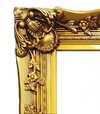
H24-GOLD zł30
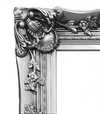
H24-SILVER zł30
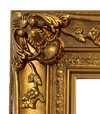
H36-GOLD zł45

H36-SILVER zł45
iii.
Niech stanie się Twoja
Obraz wykonany ręcznie może zostać stworzony na indywidualne zamówienie.
Po złożeniu zamówienia zespół WikiOO.org skontaktuje się z klientem drogą mailową w celu uzyskania instrukcji i prześle podgląd projektu
iv.
Wykończenie
Tabliczka znamionowa, werniks i dostawa.
Etykieta obiektu
Szczegóły grawerowanej brązowej tabliczki
This elegant plaque features the artist's name and the title of the artwork, finely engraved for a timeless presentation.
It is made from bronze with a refined, elegant finish. The text is precisely laser-engraved for a sharp and permanent result. Measuring 9x2 cm, the plaque is compact yet easy to read. It's built to be durable and scratch-resistant, offering a professional, museum-quality look. Mounting is simple thanks to the included adhesive backing.
Szczegóły przezroczystej tabliczki akrylowej
The plaque includes essential engraved details such as the artist's name, the title of the artwork, the date it was created, the type of media used-like oil on canvas or watercolor-a brief description of the piece, and a QR code that links to the complete artwork information.
It is crafted from clear acrylic, offering a sleek, modern appearance. The text is UV-engraved in black to ensure strong visual contrast. With a size of 10x15 cm, it ensures optimal readability. It comes equipped with two metal hooks for secure wall mounting. The plaque is designed to be weather-resistant, making it suitable for various environments, and it includes interactive features that work seamlessly with smartphone scanning.
Szczegóły czarnej tabliczki akrylowej
This elegant plaque includes engraved information such as the artist's name, the title of the artwork, the date it was created, the type of media used (like oil on canvas or watercolor), a short description of the artwork, and a QR code for quick access to more information.
The plaque itself is made from refined black acrylic with a premium finish. The text is laser-engraved in white for high contrast and readability. Its size is 10x15 cm, designed to be easy to read. It comes with two metal hooks for professional mounting. The design is sleek and fits any interior style. It is also weather-resistant and durable, with built-in digital integration for mobile compatibility.
Lakier ochronny
Produkcja ekspresowa
Dostawa na całym świecie () w ciągu 3–4 tygodni zamiast standardowych 5 tygodni. (20 Listopad). Bez kompromisów w kwestii jakości.
- Bezpłatna ekspresowa wysyłka na cały świat
- Wysokiej jakości płótno lniane
- Pełne ubezpieczenie przesyłki
- Gwarancja zwrotu należności celnych i podatków importowych
- Gwarancja wiernego odwzorowania kolorów
- 100-dniowa polityka zwrotów (tylko w przypadku wad)
- Gwarancja 100% zwrotu pieniędzy
- Zniżka przy zakupie wielu sztuk


Szybkie fakty i quiz o sztuce
Powiązane artykuły

Mastering Abstraction: The Top 25 Iconic Artworks by Piet Mondrian
Explore 25 iconic Piet Mondrian masterpieces of Neoplasticism. Discover the beauty of De Stijl on WikiOO.org.

The Geometry of Balance: Decoding Equilibrium and Rhythm in Mondrian’s Neo-Plasticism
Master the logic of Mondrian's Neo-Plasticism through expert analysis of balance and rhythm. Decode the geometry of modern art today.

Theo van Doesburg: Pioneering De Stijl & the Evolution of Neo-Plasticism
Explore the revolutionary De Stijl movement & Neo-Plasticism with our expert guide. Discover Piet Mondrian, Theo van Doesburg, and the lasting impact of this influential art style. Learn about collecting & investing in De Stijl masterpieces.

Geometria Sztuki: 10 Arcydzieł Abstrakcji Geometrycznej | WikiOO.org
Odkryj 10 arcydzieł abstrakcji geometrycznej! Poznaj historię Mondriana, Kandinskiego i Maleвича. Inspiracje wnętrzarskie z malarstwem abstrakcyjnym – reprodukcje najwyższej jakości na WikiOO.org. Eksploruj kolekcję online!
Podobne dzieła


