


 Podgląd w skali 1:1
 Wyślij jako kartkę
 Udostępnij
 Szczegóły dzieła
 Przewodnik

 Pobierz obraz
 Podobne obiekty
 RTG
RTG Pokaz slajdów
 Pytania i odpowiedzi
 Statystyki
Przyjrzyj się bliżej
Każdy detal, ręcznie malowane
Experience the serene beauty of Tom Thomson's "Morning." This iconic 1915 oil painting captures a Canadian wilderness scene with vibrant colors and masterful brushwork. Own a piece of art history!
i.
Serce sceny.
ii.
Światło i tło
iii.
Sposób prowadzenia pędzla.
Obraz
The Essence of Dawn: Unveiling “Morning”
Tom Thomson’s “Morning,” painted in 1915, isn't merely a landscape; it’s a distilled moment of profound serenity captured on wood-pulp board. This evocative piece, now readily available as a meticulously crafted reproduction at WikiOO.org, transports the viewer to the heart of Ontario's wilderness – a place where the air is crisp with anticipation and the promise of a new day hangs heavy in the mist.
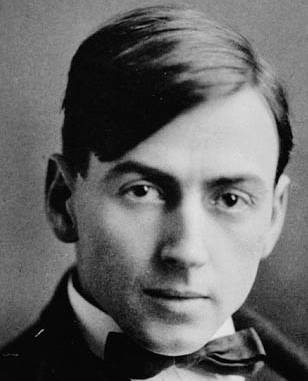
(Image of Tom Thomson - Morning)
A Pioneer’s Palette: Style and Technique
Thomson, a pivotal figure in Canadian art, forged his distinctive style through a masterful blend of observation and emotion. “Morning” exemplifies this approach perfectly. His brushstrokes are not delicate or precise; instead, they're bold, confident sweeps that convey movement and energy. Notice how the blues and greens – dominant hues in the painting – aren’t simply applied; they’re layered and textured, creating a shimmering effect reminiscent of water reflecting the sky. The composition itself is carefully balanced: the distant mountains provide a grounding presence while the boats on the water invite us into the scene, suggesting both tranquility and the potential for adventure.
The choice of wood-pulp board as a medium is significant. It allowed Thomson to work quickly and directly, capturing the fleeting effects of light and atmosphere with remarkable immediacy. This technique contributes to the painting’s sense of spontaneity and freshness – it feels as though you've stepped into a moment frozen in time.
Echoes of the Wilderness: Historical Context
“Morning” was created during a crucial period in Thomson’s career, just before his untimely death in 1917. It reflects his deep connection to Algonquin Park, a place he frequently visited and which profoundly influenced his artistic vision. This painting is part of the collection at the Tom Thomson Art Gallery in Ontario, standing as a testament to his contribution to Canadian art history. The gallery’s presence underscores the importance of preserving and celebrating Thomson's legacy – a legacy that continues to inspire artists and captivate audiences today.
Interestingly, the painting’s creation coincided with the burgeoning movement towards defining a distinctly “Canadian” artistic identity. Thomson’s work, alongside those of the Group of Seven, helped establish a visual language rooted in the landscapes and experiences of this vast nation. “Morning,” therefore, isn't just a beautiful depiction of nature; it’s also a symbol of Canadian pride and heritage.
Symbolism and Emotional Resonance
Beyond its technical brilliance, “Morning” is rich with symbolic meaning. The boats on the water represent human connection to nature – a desire for respite and reflection amidst the demands of daily life. The mountains in the background symbolize strength, endurance, and the timelessness of the wilderness. The diffused light and muted colors evoke a sense of peace, quiet contemplation, and the beauty of the natural world at dawn.
Perhaps most powerfully, “Morning” captures a feeling – the anticipation of a new day, the promise of possibility, and the profound connection between humanity and nature. It’s a painting that invites us to slow down, breathe deeply, and appreciate the simple beauty of our surroundings.
Pytania i odpowiedzi
Czy obraz „Morning” – Tom Thomson można swobodnie reprodukować?
Status praw autorskich dla „Morning” – Tom Thomson: dzieło znajduje się w należy do domeny publicznej – autorskie prawa majątkowe wygasły. Określa to, czy reprodukcje obrazu mogą być sporządzane swobodnie.
W jakim pomieszczeniu najlepiej wyeksponować "Morning", biorąc pod uwagę jego paletę barw?
Biorąc pod uwagę jego Neutrals kolorystykę, dzieło "Morning" idealnie pasuje do Living Room.
Co wyjaśnia sytuację prawną dotyczącą praw autorskich do „Morning” – Tom Thomson?
Status praw autorskich do dzieła „Morning” – należy do domeny publicznej – autorskie prawa majątkowe wygasły – wynika z faktu, że artysta zmarł w 1917.

Tom Thomson
1877 - 1917, Kanada
Artysta malarz
Tom Thomson – kanadyjski malarz krajobrazowy, pionier grupy "Siedmiu". Jego ekspresyjne obrazy z Algonquin Park fascynują i oddają piękno oraz ducha kanadyjskiej dziczy. #TomThomson #SiedemGrupy #KanadyjskieSztuki
Biografia artysty
A Pioneer of the Canadian Wilderness
Thomas John Thomson, affectionately known simply as Tom Thomson to generations of Canadians, remains a pivotal and somewhat enigmatic figure in the nation’s artistic heritage. Though his active career spanned only a handful of years – tragically cut short at the age of thirty-nine – he indelibly shaped the course of Canadian art, acting as a crucial precursor to the renowned Group of Seven and leaving behind a legacy of evocative landscapes that continue to resonate deeply with audiences today. His story is one of late blossoming, of a restless spirit finding its voice in the untamed beauty of Ontario’s wilderness, and of an enduring mystery surrounding his untimely death.From Rural Beginnings to Artistic Awakening
Born August 5, 1877, in Claremont, Ontario, Thomson's early life was deeply rooted in the rhythms of rural existence. He grew up as one of ten children within a farming family – an upbringing that instilled within him a profound and enduring connection to the natural world. This wasn’t initially expressed through artistic pursuits; his formal education was intermittent, punctuated by periods of illness and practical necessity. Before dedicating himself fully to art, Thomson explored various trades: he worked at an iron foundry, briefly attended business college, and even ventured west to Seattle where he honed his skills as a commercial artist – working for firms like Maring & Ladd. This period proved formative; it wasn’t merely about acquiring technical proficiency in penmanship and design – essential skills for the time – but also about encountering individuals who would later become central figures in the burgeoning Canadian art scene – J.E.H. MacDonald and Lawren Harris among them. These connections provided a crucial intellectual and artistic environment that nurtured his latent talent, exposing him to new ideas and approaches to landscape painting. However, it was the discovery of Algonquin Park in 1912 that truly ignited Thomson’s artistic passion. Guided by MacDonald's encouragement – who recognized Thomson’s potential and urged him to focus on capturing the park’s breathtaking vistas – he began to sketch the park’s majestic landscapes, embarking on a journey of self-discovery through landscape painting.The Evolution of a Distinctive Style
Thomson’s early paintings reveal a promising but unrefined talent. While demonstrating an understanding of composition and color—elements learned during his time as a commercial artist – they lacked the distinctive voice that would come to define his mature work. He initially employed techniques more aligned with traditional landscape painting, often striving for meticulous detail and realistic representation. However, over time, his style underwent a dramatic transformation. This wasn’t a sudden shift, but rather a gradual evolution driven by observation and experimentation. He moved away from conventional academic approaches, embracing a bolder, more expressive approach characterized by vivid colors – often intensely saturated blues and greens – thickly applied paint (*impasto*), and dynamic brushstrokes. These weren't merely representations of the landscape; they were visceral interpretations, conveying the energy, atmosphere, and emotional intensity of the Canadian wilderness. He wasn’t simply painting what he *saw*; he was capturing how it *felt* to be immersed in that environment – the cool dampness of a forest floor, the vastness of an open sky, the shimmering light on a lake. His subject matter remained almost exclusively landscapes: towering pines and birches, expansive skies filled with clouds, shimmering lakes reflecting the sunlight, winding rivers carving their way through the terrain, and the subtle nuances of light and shadow across the landscape at different times of day. He captured not just the visual elements but also the *mood* and *feeling* associated with each scene. This ability to infuse his paintings with a sense of immediacy and emotional resonance – a feeling of being present in the moment – set him apart from his contemporaries.Influences and Artistic Connections
Thomson’s artistic development was profoundly shaped by several key influences. J.E.H. MacDonald, a seasoned landscape painter and mentor, played a crucial role in guiding Thomson towards a more expressive style. MacDonald encouraged Thomson to focus on capturing the *spirit* of the Canadian wilderness rather than simply replicating its appearance. The influence of European Impressionists – particularly Monet and Pissarro – is also evident in Thomson’s use of color and light. He adopted their techniques for depicting atmospheric effects, such as the dappled sunlight filtering through trees or the hazy quality of a distant landscape. Furthermore, Thomson's time working alongside Lawren Harris—another key member of the Group of Seven—provided him with valuable insights into Canadian wilderness art. Harris’s emphasis on capturing the rugged beauty and solitude of the northern landscapes undoubtedly influenced Thomson’s own artistic vision. It is important to note that while Thomson was a significant influence on the Group of Seven, he never formally joined the group, which formed after his death.Legacy and Lasting Influence
Paintings like The Jack Pine (1916), *The West Wind* (1917), *Moonlight Sail* (1916), and *Birch Grove, Autumn* (1917) have become iconic representations of Canadian identity and the nation’s natural beauty. These works are not merely landscapes; they are powerful symbols of Canada's wilderness and national character. They were among his most celebrated pieces, capturing the essence of the Canadian landscape with a unique blend of realism and emotional intensity. Though he died in July 1917 under mysterious circumstances – drowning in Canoe Lake – his legacy continues to grow. His works are primarily held in major Canadian institutions such as the Art Gallery of Ontario, the National Gallery of Canada, the McMichael Canadian Art Collection, and the Tom Thomson Art Gallery, ensuring that his vision continues to inspire and captivate audiences for generations to come. He stands as a testament to the power of artistic expression to capture the essence of a nation’s soul – a true icon of Canadian art history.A Lasting Symbol
Thomson is rightfully recognized as a pioneer of Canadian modern art, breaking away from European traditions and forging a uniquely Canadian aesthetic. His paintings are more than just landscapes; they are powerful symbols of Canada's wilderness and national identity. The enduring popularity of his work speaks to its timeless quality and universal appeal. He didn’t simply paint what he *saw*; he painted how it *felt* to be Canadian, to be connected to the vastness and beauty of the northern landscape. His story – a blend of rural upbringing, artistic awakening, and tragic death – continues to fascinate and inspire, solidifying his position as one of Canada’s most beloved and important artists.Krótkie informacje o Tom Thomson
- Artistic Movement Or Style: Kanadyjska nowoczesność
- Artists Or Movements Influenced By This Artist: ['Grupa Siedmiu']
- Artists Who Influenced This Artist:
- J.E.H. MacDonald
- Lawren Harris
- Date Of Birth: 5 sierpnia 1877
- Date Of Death: 8 lipca 1917
- Full Name: Thomas John Thomson
- Nationality: Kanadyjski
- Notable Artworks:
- Sosna Banksa
- Wiatr Zachodni
- Żyglowiec Księżycowy
- Place Of Birth: Claremont, Kanada
Ręcznie malowana reprodukcja olejowa
Zamów obraz na zamówienie dla Ciebie
Ręcznie malowana reprodukcja olejowa
Ręcznie malowany obraz olejny na płótnie, wykonany na zamówienie przez naszych artystów w wybranym przez Ciebie wymiarze i oprawie. ( Przełącz na wydania drukowane Przejdź do wersji cyfrowej)

Twoja prowizja

Morning
Technika reprodukcji
Wymiary reprodukcji
-

Wybitny mistrz artystyczny
Większa szczegółowość, finezja i dodatkowy czas na realizację
-

Opcje oprawy reprodukcji
-
-
W przypadku dzieł sztuki lub reprodukcji, których którykolwiek z boków przekracza 105 cm (około 41 cali), rama zostanie wysłana w formie zestawu do samodzielnego montażu. Metoda ta zapewnia bezpieczną dostawę i zapobiega uszkodzeniom podczas transportu.
Wymagany profesjonalny montaż – nie jest to produkt typu DIY.
Zestaw musi zostać złożony, a płótno naciągnięte przez doświadczonego profesjonalnego ramiarza, przy użyciu kleju do drewna (brak w zestawie), kleszczy do naciągania płótna oraz ścisków, które utrzymają krosna w równej pozycji podczas schnięcia kleju. Nieprawidłowy montaż lub nierównomierne napięcie płótna może trwale uszkodzić dzieło sztuki i nie podlega naszej gwarancji.
 W przypadku dzieł sztuki lub reprodukcji, których którykolwiek z boków przekracza 105 cm (około 41 cali), rama zostanie wysłana w formie zestawu do samodzielnego montażu. Metoda ta zapewnia bezpieczną dostawę i zapobiega uszkodzeniom podczas transportu.
W zestawie znajdują się wszystkie listwy z litego drewna, precyzyjnie docięte do wymiarów.
Montaż odbywa się przy użyciu dołączonych wkrętów oraz kleju do drewna do łączenia narożników, którego zestaw nie zawiera i który musi zostać dostarczony przez ramiarza.
Wymagane są profesjonalne narzędzia, których nie ma w zestawie: kleszcze do naciągania płótna (napinacz) oraz zaciski, które pozwolą utrzymać listwy w równej pozycji podczas schnięcia kleju.
Ważne:
Do połączenia narożników niezbędny jest klej do drewna, listwy należy unieruchomić za pomocą ścisków do momentu całkowitego wyschnięcia kleju, a naciągnięcie płótna na złożoną ramę wymaga użycia kleszczy do naciągania płótna. Żaden z tych elementów nie jest dołączony do zestawu. Przed zamówieniem tego rozmiaru zalecamy konsultację z doświadczonym ramiarzem.

Etykieta obiektu
-
-

Lakier ochronny
Lakier z połyskiem (pogłębia kolory, chroni przed światłem i wilgocią)
-

Personalizacja dzieła
Przykłady możliwości personalizacji: zastąp twarz zdjęciem klienta; dodaj zwierzę domowe (np. zamień kota na psa); umieść ukrytą wiadomość w tle; zmień krajobraz lub elementy tła.
-

Ekspresowa
Dostawa na cały świat () w ciągu 3–4 tygodni zamiast standardowych 5 tygodni. (4 Listopad). Bez kompromisów w kwestii jakości.
-
Przesyłka ekspresowa
Dostawa na cały świat () w ciągu 5 tygodni. (11 Listopad).
W cenie
Cena całkowita
zł 1036
Opcja ze szkłem jest dostępna wyłącznie w rozmiarach poniżej 110 cm
i.
Skala
Przesuń na swoją ścianę: każdy rozmiar zachowuje proporcje oryginału.
Wybierz spośród naszych standardowych rozmiarów, które zachowują oryginalne proporcje dzieła sztuki.

Wpisz wymaganą szerokość i wysokość, aby obraz pasował do Twojej ramy lub ściany. Ponieważ jest to dzieło malowane ręcznie, w przypadku rozmiaru o innych proporcjach artysta może domalować nieco więcej wokół obrazu lub przyciąć jego fragmenty — wybór należy do Ciebie. Przed rozpoczęciem pracy prześlemy Ci cyfrową wizualizację do zatwierdzenia. Obraz widoczny na tej stronie nie przedstawia rzeczywistego efektu — jedynie wizualizacja oddaje realny rezultat.
 Dowiedz się więcej
ii.
Rama
Obramowanie jest naniesione na obraz w jego rzeczywistej szerokości.
W oprawie

Białe krawędzie zł1

rozmyte krawędzie zł1

Przedłużony zł1

P118B zł10

P118H zł10

P118W zł10

P438Z zł10

P508JH zł12

P508YH zł12

P805H zł10

P805Z zł10

P919BZ zł10

P919G zł10

P919XJ zł10

P959ZH zł10

P968JZ zł12

W106C zł8

W218G zł10

W218JH zł8

W218Y zł10

W307PJ zł10

W316G zł10

W316PJ zł8

W316Y zł10

W398PJ zł8

W4111J zł10

W500HY zł15

W500JH zł15

W692G zł12

W849H zł8

W940BG zł15

W953PJ zł8

H24-GOLD zł30

H24-SILVER zł30

H36-GOLD zł45

H36-SILVER zł45
iii.
Niech stanie się Twoja
Obraz wykonany ręcznie może zostać stworzony na indywidualne zamówienie.
Po złożeniu zamówienia zespół WikiOO.org skontaktuje się z klientem drogą mailową w celu uzyskania instrukcji i prześle podgląd projektu
iv.
Wykończenie
Tabliczka znamionowa, werniks i dostawa.
Etykieta obiektu
Szczegóły grawerowanej brązowej tabliczki
This elegant plaque features the artist's name and the title of the artwork, finely engraved for a timeless presentation.
It is made from bronze with a refined, elegant finish. The text is precisely laser-engraved for a sharp and permanent result. Measuring 9x2 cm, the plaque is compact yet easy to read. It's built to be durable and scratch-resistant, offering a professional, museum-quality look. Mounting is simple thanks to the included adhesive backing.
Szczegóły przezroczystej tabliczki akrylowej
The plaque includes essential engraved details such as the artist's name, the title of the artwork, the date it was created, the type of media used-like oil on canvas or watercolor-a brief description of the piece, and a QR code that links to the complete artwork information.
It is crafted from clear acrylic, offering a sleek, modern appearance. The text is UV-engraved in black to ensure strong visual contrast. With a size of 10x15 cm, it ensures optimal readability. It comes equipped with two metal hooks for secure wall mounting. The plaque is designed to be weather-resistant, making it suitable for various environments, and it includes interactive features that work seamlessly with smartphone scanning.
Szczegóły czarnej tabliczki akrylowej
This elegant plaque includes engraved information such as the artist's name, the title of the artwork, the date it was created, the type of media used (like oil on canvas or watercolor), a short description of the artwork, and a QR code for quick access to more information.
The plaque itself is made from refined black acrylic with a premium finish. The text is laser-engraved in white for high contrast and readability. Its size is 10x15 cm, designed to be easy to read. It comes with two metal hooks for professional mounting. The design is sleek and fits any interior style. It is also weather-resistant and durable, with built-in digital integration for mobile compatibility.
Lakier ochronny
Produkcja ekspresowa
Dostawa na całym świecie () w ciągu 3–4 tygodni zamiast standardowych 5 tygodni. (4 Listopad). Bez kompromisów w kwestii jakości.
- Bezpłatna ekspresowa wysyłka na cały świat
- Wysokiej jakości płótno lniane
- Pełne ubezpieczenie przesyłki
- Gwarancja zwrotu należności celnych i podatków importowych
- Gwarancja wiernego odwzorowania kolorów
- 100-dniowa polityka zwrotów (tylko w przypadku wad)
- Gwarancja 100% zwrotu pieniędzy
- Zniżka przy zakupie wielu sztuk


Szybkie fakty i quiz o sztuce
Powiązane artykuły

Evocations of Place: A Historical Journey Through Landscape Art
Explore the rich history of landscape art with WikiOO. Discover renowned artists, movements like Impressionism & Romanticism, and expert guidance for collecting timeless pieces. Find your perfect serene escape today!

Romantyczny Krajobraz w Malarstwie: 10 Arcydzieł, Które Zdefiniowały Epokę | WikiOO.org
Odkryj 10 arcydzieł romantyzmu w malarstwie! Poznaj historie Caspara Davida Friedricha, Turnera i innych mistrzów. Inspiracje wnętrzarskie & reprodukcje obrazów najwyższej jakości na WikiOO.org. Eksploruj kolekcję online!

Arthur Lismer: A Pioneer of Canadian Modernism & the Group of Seven's Visionary Spirit
Explore the life & art of Arthur Lismer, a pivotal figure in Canadian Modernism and founding member of the Group of Seven. Discover his landscapes, teaching legacy & lasting influence on Canadian art history.

Thomas Thomson: Pioneering Canadian Landscape & the Pursuit of National Identity
Explore the evocative landscapes of Tom Thomson, a pivotal figure in Canadian art & precursor to the Group of Seven. Discover his bold style, lasting legacy, and profound impact on shaping a national artistic identity.
Podobne dzieła


