
 Podgląd w skali 1:1

 Wyślij jako kartkę
 Udostępnij
 Szczegóły dzieła
 Przewodnik


 Pobierz obraz
 Podobne obiekty
 RTG
 Pokaz slajdów
 Pytania i odpowiedzi
 Statystyki
Composition I

- 50.0 x 35.0 cm


 Rozwiń treść
Dzieło sztuki prezentowane na tej stronie podlega ochronie prawem autorskim, co oznacza, że nie mamy prawa do tworzenia ani sprzedaży jego identycznej reprodukcji. Ochrona ta jest egzekwowana na mocy umów międzynarodowych, takich jak Konwencja berneńska oraz przez przepisy prawa krajowego, w tym te określone w Prawo autorskie USA – Tytuł 17.
Metoda ta jest w pełni zgodna z przepisami prawa autorskiego, ponieważ nie polega na kopiowaniu ani powielaniu chronionego dzieła. Stanowi ona kreatywną reinterpretację – nowy obraz, który czerpie inspirację z oryginału, ale nie jest z nim tożsamy.
Giclée / Wydruk artystyczny
Wydruki giclée lub płótna o jakości muzealnej, szybka realizacja i szeroki wybór opcji wykończenia. ( Zamów ręcznie malowaną reprodukcję Przejdź do wersji cyfrowej)




P118B zł10

P118H zł10

P118W zł10

P438Z zł10

P508JH zł12

P508YH zł12

P805H zł10

P805Z zł10

P919BZ zł10

P919G zł10

P919XJ zł10

P959ZH zł10

P968JZ zł12

W106C zł8

W218G zł10

W218JH zł8

W218Y zł10

W307PJ zł10

W316G zł10

W316PJ zł8

W316Y zł10

W398PJ zł8

W4111J zł10

W500HY zł15

W500JH zł15

W692G zł12

W849H zł8

W940BG zł15

W953PJ zł8
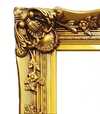
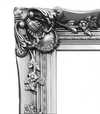
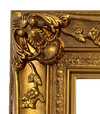
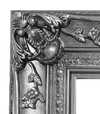
Wybierz spośród naszych standardowych rozmiarów, które zachowują oryginalne proporcje dzieła sztuki.

Wpisz wymaganą szerokość i wysokość, aby dopasować grafikę do ramy lub ściany. Wydruk można jedynie przyciąć, nigdy nie powiększając go poza oryginalny obraz, dlatego format o innych proporcjach spowoduje utratę części kompozycji. Przed rozpoczęciem druku prześlemy Ci cyfrowy podgląd do zatwierdzenia. Obraz wyświetlany na tej stronie nie pokazuje rzeczywistego przycięcia — jedynie podgląd oddaje ten efekt.
Dostawa na cały świat () w ciągu 2 tygodni zamiast standardowych 4/5 tygodni. (17 Listopad)

Bezpłatna ekspresowa wysyłka na cały świat

Wysokiej jakości płótno lniane

Pełne ubezpieczenie przesyłki

Gwarancja zwrotu należności celnych i podatków importowych

Gwarancja wiernego odwzorowania kolorów

100-dniowa polityka zwrotów (tylko w przypadku wad)

Gwarancja 100% zwrotu pieniędzy

Zniżka przy zakupie wielu sztuk
 Opcja ze szkłem jest dostępna wyłącznie w rozmiarach poniżej 110 cm

Composition I
Giclée / Wydruk artystyczny
Wymiary reprodukcji
-


Cena całkowita
zł 241
A Choreography of Form and Shadow
In the quiet, muted realm of mid-century Polish abstraction, Composition I emerges as a rhythmic arrangement of figures. Created in 1961, the work presents a complex choreography where bodies seem to emerge from and dissolve into the canvas. A central figure, anchored on the left, bears the weight of a bird with outstretched wings. This motif invites a contemplation of freedom and the delicate balance between the earthly and the ethereal. The figures are positioned in a deliberate, almost musical sequence across the frame, ranging from those standing sentinel on the right to the more enigmatic presence in the upper corner. There is a sense of movement within the stillness, a sudden burst of inspiration caught in a moment of transition.
The technique relies on the transformative power of light. Rather than merely illuminating the subjects, the light sculpts them. Through a masterful use of contrast and tonal depth, a sense of three-dimensional movement is created within a flattened plane. The monochromatic essence of the work lends it a sculptural elegance. It is a fragment of the Polish avant-garde that challenges the eye and stirs the soul through its exploration of form and the human condition.
The Architecture of Light
The artist, Zdzisław Stanek, approached the canvas as a laboratory for perception. His work is a continuous dialogue between the tangible and the ethereal, driven by a curiosity regarding how light interacts with form to shape human perception. In this 1961 piece, the interplay of light and shadow gives the artwork a breathing quality. The figures are woven together by a shared atmospheric energy, creating a sense of depth that feels almost organic. The composition is not merely a collection of shapes but a structured exploration of how light can breathe life into a scene.
Stanek’s aesthetic language was built upon a refusal to be tethered to any single trend. While drawing inspiration from the structural rigor of Cubism, he infused these foundations with an experimental spirit. He sought color and light that would complement the structure, treating the canvas with the discipline of an architect. In Composition I, this discipline results in a work that feels vibrantly alive, even in its stillness. The bird’s wingspan breaks the silence, a single gesture in a vast, luminous space.
Pytania i odpowiedzi
Czy dzieło „Composition I” autorstwa Zdzisław Stanek znajduje się w domenie publicznej i dlaczego?
Dzieło "Composition I" autorstwa Zdzisław Stanek znajduje się w nadal objęte ochroną prawa autorskiego. Okres ochrony praw autorskich liczony jest od daty śmierci artysty, a Zdzisław Stanek zmarł(a) w 1996.
Do jakiego nurtu w sztuce należy „Composition I” – Zdzisław Stanek?
„Composition I” to dzieło należące do nurtu Geometric Abstraction. Nurt ten określa tradycję artystyczną, w której osadzone jest dzieło.
Czy „Composition I” – Zdzisław Stanek to jasne czy ciemne dzieło?
Ogólnie rzecz biorąc, poziom jasności dzieła „Composition I” określany jest jako deep_shadow. Postrzegana jasność opisuje, jak jasne lub ciemne wydaje się dane dzieło.
Podobne dzieła


Biografia artysty
The Luminous Legacy of Zdzisław Stanek
In the storied landscape of mid-20th-century Polish art, few names resonate with the same quiet intensity as Zdzisław Stanek. Born in 1925 in the industrial heart of Łódź, Stanek emerged not merely as a painter, but as a profound investigator of the very mechanics of sight. His life’s work was a continuous dialogue between the tangible and the ethereal, a pursuit driven by an almost scientific curiosity regarding how light interacts with form to shape human perception. To encounter a Stanek canvas is to step into a world where the boundaries between matter and radiance begin to dissolve, leaving the viewer suspended in a state of luminous contemplation.
The foundation of Stanek’s artistic identity was deeply rooted in the revolutionary theoretical frameworks established by Władmentsław Strzemiński. From his earliest years, Stanek was captivated by Strzemiński’s radical notion that light should not be treated as a mere external source of illumination, but as an active, transformative force capable of sculpting space and evoking deep psychological resonance. This intellectual lineage became the heartbeat of his practice. He embraced the idea that light could breathe life into geometric structures, turning static shapes into dynamic participants in a cosmic dance of color and shadow.
A Synthesis of Geometry and Light
As his career progressed, Stanek’s aesthetic language underwent a fascinating evolution, characterized by a refusal to be tethered to any single passing trend. While he drew significant inspiration from the structural rigor of Cubism, he infused these geometric foundations with an experimental spirit that bordered on the futuristic. His compositions frequently utilized the stark, clean lines of cubes and spheres, yet these were never cold or clinical. Instead, through a masterful application of vibrant pigments and layered textures, he achieved a sense of depth and dimensionality that felt almost organic.
His later explorations into Cyber Art and more abstract geometric forms demonstrated his ability to bridge the gap between classical painterly traditions and the burgeoning technological consciousness of the era. In these works, the interplay of form and color becomes a complex puzzle of light:
- The Role of Form: The use of spheres and cubes serves as an anchor for the eye, providing a structural stability that allows the more fluid elements of the painting to roam freely.
- Chromatic Vibrancy: Stanek utilized color not just for decoration, but as a tool to generate heat, coolness, and movement within the frame.
- Atmospheric Depth: Through subtle gradations, he created an illusion of infinite space, where light seems to emerge from deep within the canvas itself.
Historical Significance and Artistic Spirit
The historical importance of Zdzisław Stanek lies in his role as a bridge between the avant-garde traditions of early 20th-century Poland and the experimental movements that followed. In an era often defined by political and social upheaval, Stanek remained steadfast in his commitment to pure visual experimentation. He resisted the pressure to conform to more literal or propagandistic styles, choosing instead to focus on the universal language of light and geometry. This dedication ensured that his work remained timeless, transcending the specific historical moment of its creation.
Today, Stanek is remembered as a pioneer who dared to treat the canvas as a laboratory for perception. His ability to synthesize the rigid logic of geometric abstraction with the emotive power of light continues to inspire those who seek beauty in the intersection of science and art. His legacy remains etched in the luminous glow of his masterpieces, reminding us that even the most structured forms can be imbued with an eternal, breathing soul.

Zdzisław Stanek
1925 - 1996 , Poland
Krótka nota
- Full Name: zdzisław stanek
- Nationality: Polish
- Date Of Birth: 1925
- Date Of Death: 1996
- Place Of Birth: Poland
- Notable Artworks:
- Still life with leeks bunch,
- Apples and cheese
- Lightnude II
- Artistic Movement Or Style: Cubism, Cyber art, Surrealism
- Artists Who Influenced This Artist: ['Władysław Strzemiński']
- Artists Or Movements Influenced By This Artist: ['Cyber art']
Powiązane artykuły

10 Breathtaking Artworks That Capture Pure Ethereal Magic
Lose yourself in 10 breathtaking artworks that capture the essence of ethereal beauty. From dreamy Impressionist light to surrealist wonders, explore the stories behind these timeless masterpieces and find museum-quality reproductions for your home. Discover all masterpieces on WikiOO.org

The Pursuit of Equilibrium: Finding Visual Serenity in Classical Composition
Master the principles of artistic composition and visual balance through the lens of the Old Masters. Explore the architecture of art now.

Geometria Sztuki: 10 Arcydzieł Abstrakcji Geometrycznej | WikiOO.org
Odkryj 10 arcydzieł abstrakcji geometrycznej! Poznaj historię Mondriana, Kandinskiego i Maleвича. Inspiracje wnętrzarskie z malarstwem abstrakcyjnym – reprodukcje najwyższej jakości na WikiOO.org. Eksploruj kolekcję online!

The Architecture of the Crowd: Examining Human Presence in Urban Compositions
Explore the evolution of urban art from Caillebotte to modern street murals. Discover the pulse of the city through masterworks.

Lech Jankowski: Polish Abstraction & the Materiality of Post-War Identity
Explore the compelling work of Lech Jankowski, a leading figure in Polish post-war abstraction. Discover his unique exploration of materiality, identity, and surreal landscapes – a valuable addition to any discerning art collection.